How to care for school and office gardens during holidays
Maintaining and watering a school or an office garden can be challenging during holidays. Take a look at our top tips and handy resources to turn your watering dilemma into a fun project for your class or team
Plants don’t go on holiday. While schools and offices fall quiet over Christmas and the summer break, their green inhabitants continue to grow and need someone there to care for them. From watering solutions to community engagement, here are six suggestions to help keep plants healthy and happy throughout the holidays.
1. Create a self-watering solution

Get creative and build an effective self-irrigation system
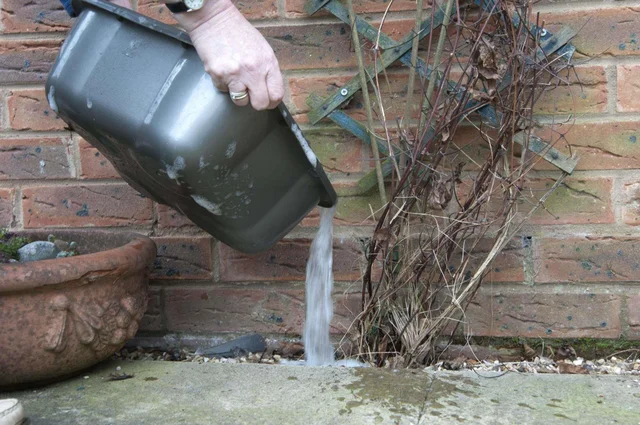
Create a simple self-watering solution using wicking or guttering. A bucket filled with water can be turned into an effective irrigation system by placing cords or shoelaces so they run from the water directly into the soil, keeping plants hydrated throughout the holiday season, especially in summer. Larger containers or thirstier plants may need several wicks to ensure they receive enough moisture.
In schools, site or Design and Technology staff may also be able to help create a more permanent watering system by linking rain gutters directly to garden beds, making use of rainfall while reducing the need for manual watering.
2. Ask a community space to foster your plants

Chantelle Hodgson, Special Needs Coordinator at Guildford Family Centre in 2021
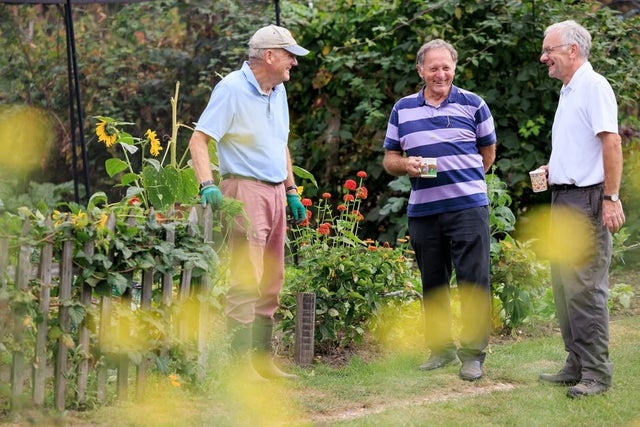
If your school or office already has a relationship with a community garden, nursing or care home or another local organisation, they may be willing to look after potted plants over the holidays, for you to collect at the start of term.
3. Mulch your outdoor plants

Using garden compost as a mulch can solve your watering dilemma
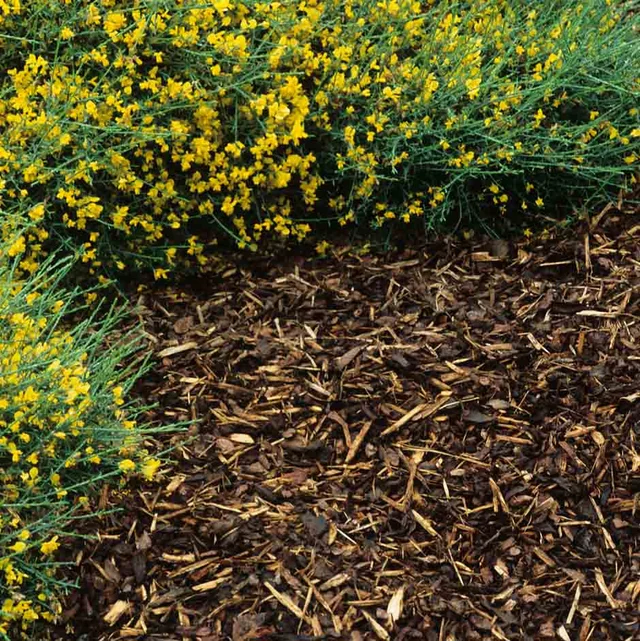
Cover bare soil with a layer of wood chippings, or gravel. Mulching is generally used to save water, suppress weeds and improve the soil around plants but it also gives your garden a neat, tidy appearance and can reduce the amount of time spent on tasks such as watering and weeding. Mulches help soil retain moisture in summer, rain to penetrate the soil in winter, prevent weeds from growing and protect the roots of plants in winter.
4. Ask pupils or colleagues to take them home

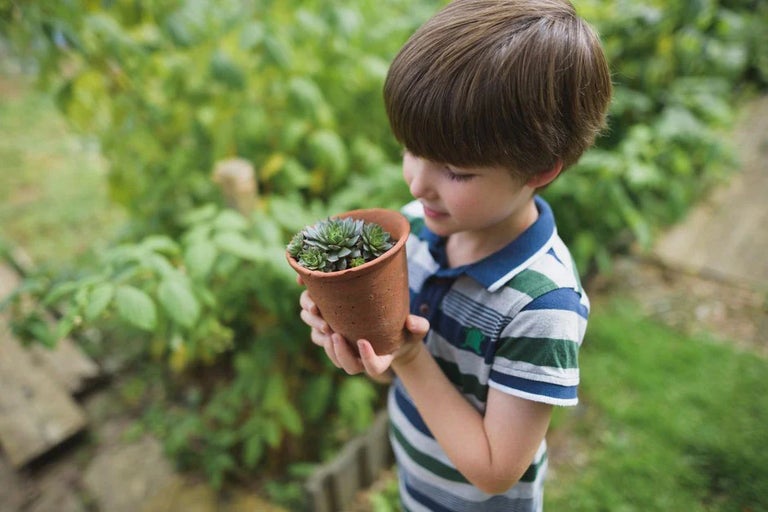
A Burnham-on-Crouch Primary School’s pupil watering a mini greenhouse
Why not create a plant challenge for your pupils or colleagues by asking each person to look after a plant at home? You could announce the project in your school newsletter so that parents and carers are aware, or send an email to your office team.
After the holidays, set a date for everyone to bring their plants back (or share photos if returning them isn’t practical) and compare how they’ve fared. Discuss why the plants might look different and what everyone has learned about their care. Remember, it’s perfectly fine if some didn’t survive – frame it as a learning experience, and make sure everyone is recognised for taking part.
Here are two resources to help turn your watering challenge into an engaging project, including care tips, guidance and a certificate to acknowledge participants’ efforts:
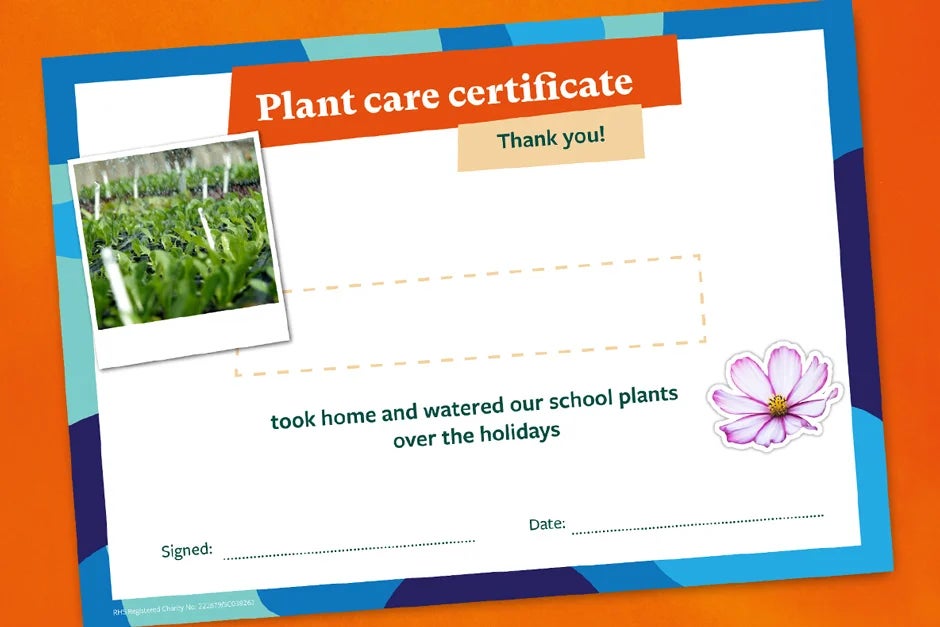
School watering certificate
Download your plant care certificate.
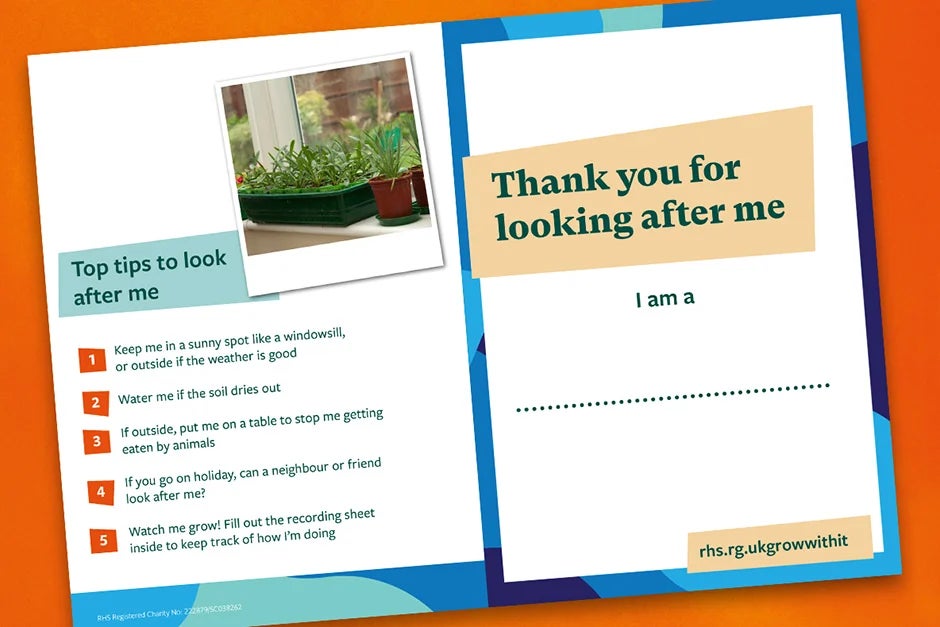
School watering record sheet
Download your care leaflet with recording sheet.
5. Ask site staff to look after your plants

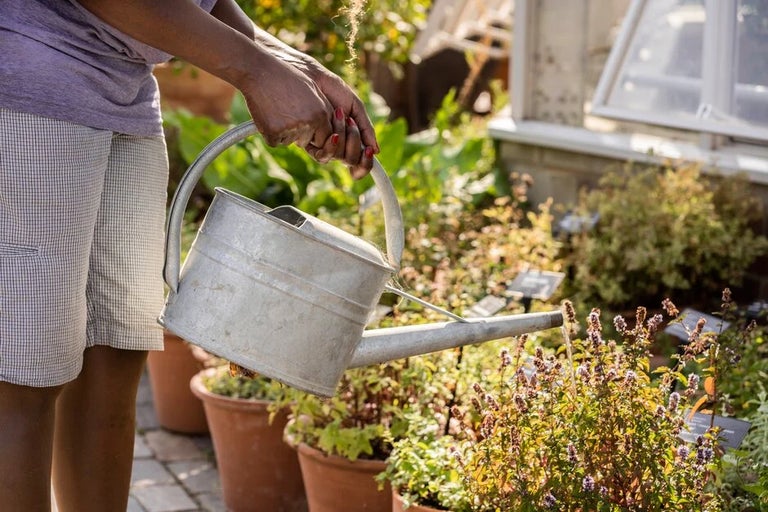
A student watering containers with a metal watering can
If site staff will be in the school or office building over the holidays, consider asking if they could water the plants weekly, or during particularly dry, warm spells. This approach works especially well for plants that are in the ground or too large to move.
6. If not... keep your plants outside

Plants standing on a tray for watering and to collect drainage water
If no other solutions are available, keep potted plants outside on your school or office grounds. Make sure they are:
- Sat in a tray or saucer to collect rainwater (fill this up with water before you head home for the holidays to get them off to a good start);
- Placed in a shady area that will require less watering. Grouping plants together will also increase around them and reduce need for watering;
- On a table or raised platform to keep them away from animals.