10 fun facts about slugs
You’ll never look at a slug the same way again

Slugs are a perennial problem for gardeners but don’t despair, there are solutions says Dr Hayley Jones. Here, the RHS Principal Entomologist talks eggshells, copper and why switching up your watering regime could be the key to keeping slugs under control.
Based on the proportion of slug-related questions received by our RHS Gardening Advice team, 2024 was the sluggiest year since detailed records began, back in 1967. This will have been down to the combination of a mild winter followed by a mild, damp spring, followed by a mild, damp summer! There were none of those long, dry periods in summer to send them hiding underground, and no protracted cold snaps to keep them inactive in the winter.

Not necessarily. It depends on where you live. As our climate continues to change, we’re actually more likely to see drought periods in the southern part of the UK, which is not at all favourable for slugs. Things might be different in the north, however. If it gets warmer, but stays damp, that could mean slugs do better overall in these areas.
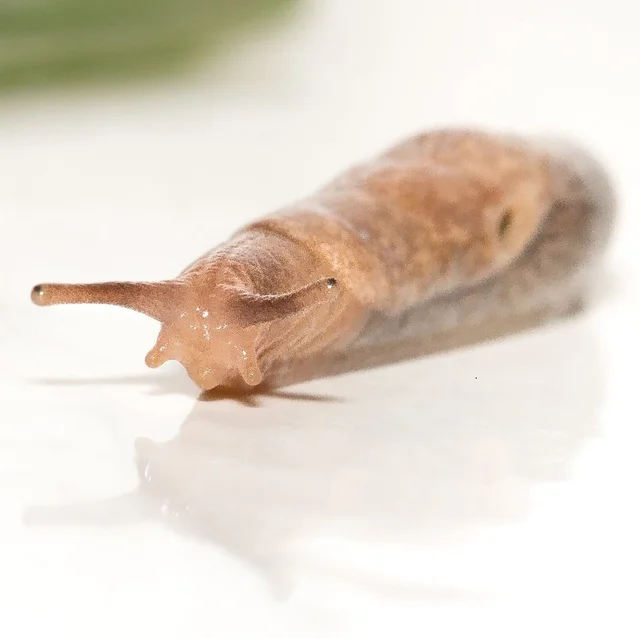
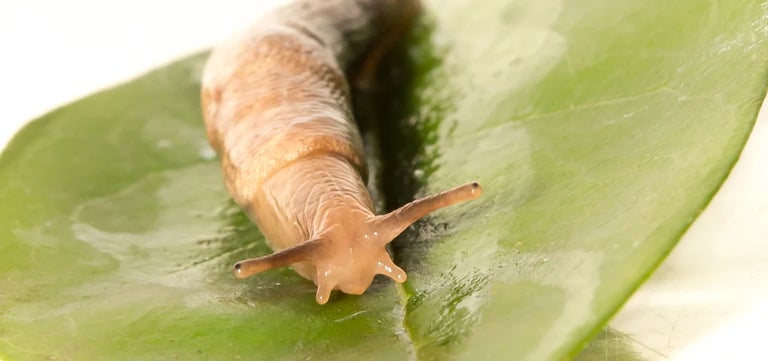
I do like slugs! They’ve got such interesting faces, and their biology is pretty special. They’re so different from other animals. We’re used to thinking of most animals as being symmetrical, but it’s completely different inside a slug, and a snail for that matter. Slugs have evolved from having had a shell, and so everything about them is a bit coiled. Their mouth is where you’d expect it to be, but their digestive system has to go all the way to where the shell would once have been, and then all the way back again, so their anus is near their head. That’s totally different even from other invertebrates like worms, say, or bees. Once you get over how weird that is, I think they’re pretty cute!
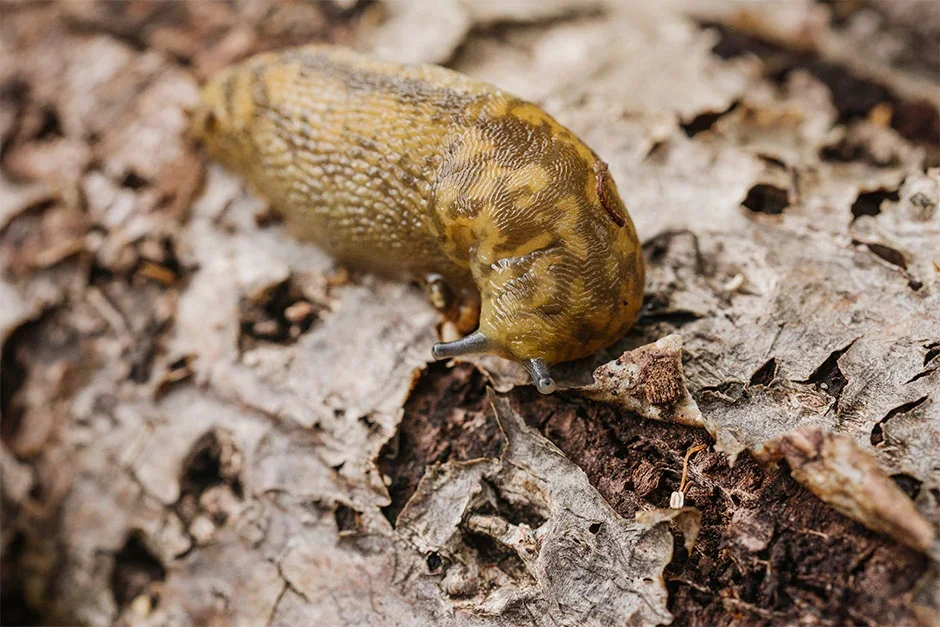
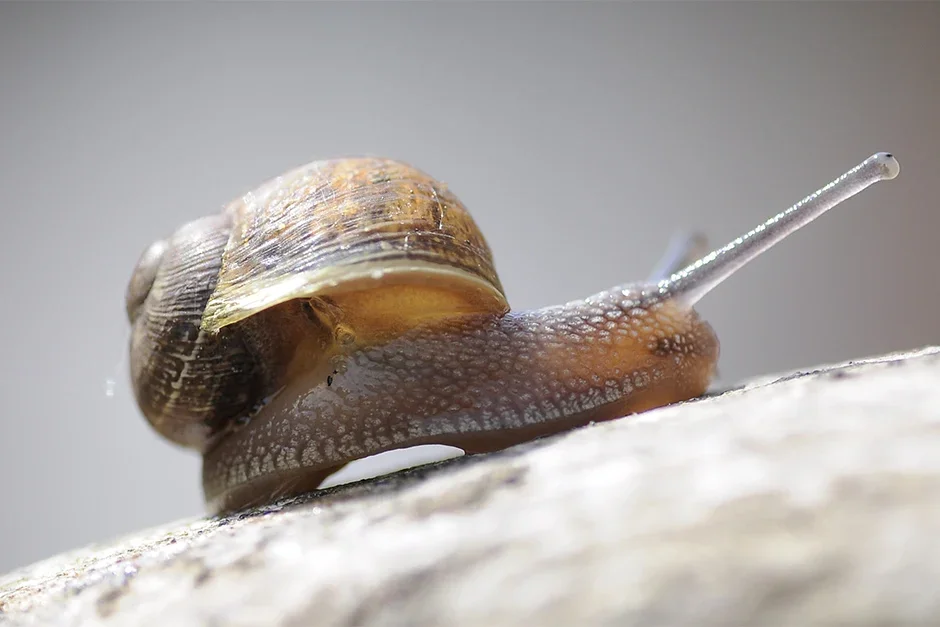
Their slime is a multipurpose tool that they use to help them navigate the world, and they have different types of slime for different uses. They have their general mucus, that covers their body, which keeps them hydrated and protects them. Then they have another type of mucus on their ‘foot’, the composition of which they can change readily depending on their surroundings. This mucus is really interesting in its physical properties. When slugs are still, it acts like glue, but when they’re moving, it’s not at all sticky, and actually acts as a lubricant to help them move along.
There’s also a sensory quality to the slime. Slugs can smell things from a distance, but they can also sense things by touching them. When they come across a slime trail, they kind of taste it and detect all the proteins and other signals in there, and they can tell if it’s their own or if it belongs to another slug.
Something like that. We don’t know exactly how they do it, but it’s been demonstrated that they have a kind of homing instinct – they can find their way back to their home area over a distance of around 30 metres, sometimes even longer. This won’t come as a surprise to any gardener who has ever tried to move slugs to another part of their garden; they definitely have preferred spots, and if conditions there are attractive enough, they will find their way back.
"When they come across a slime trail, they can tell if it’s their own or if it belongs to another slug."
Definitely not. They’re a very diverse group, and different slugs have different diets. Some slugs are predatory and will eat other slugs, and/or other invertebrates such as earthworms. Most slugs are omnivores, though even amongst those, lots of them would prefer to eat dead and rotting material to live plants. In fact, most slugs do at least some of this, breaking down leaf litter and other material; contributing to the composting process; releasing into the soil for plants to absorb; and acting as important members of the food chain and garden ecosystem. So, the majority of slugs can and should be considered helpful for gardeners.
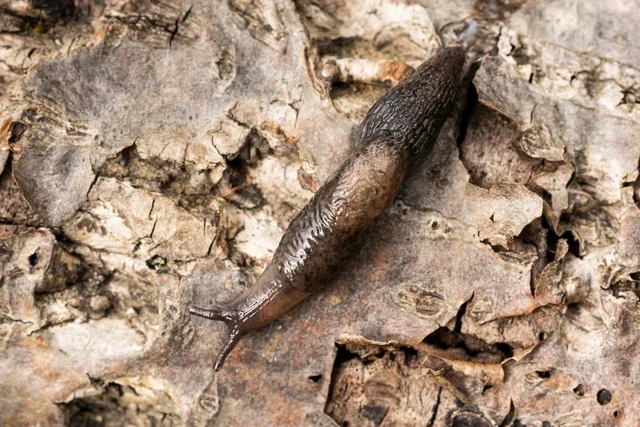
Probably the most common is the grey field slug (Deroceras reticulatum). They’re very small – only four centimetres long at their full size – though often when gardeners come across them they’re still teeny tiny, grey with little speckles. These slugs are the ones that clash most often with gardeners, because they do mostly prefer to eat live plant material, and they’re super common in vegetable beds. If you find tiny little grey slugs in your lettuce, it’s almost certainly these guys.
Ones that are less likely to be a problem are the large arions, such as the large black slug (Arion ater) and the large red slug (Arion rufus). These are the chunky fellas that, because they’re so big, are quite resistant to drying out and so you’ll often see them out and about in the daytime. They mostly eat rotting material, but they will also eat the soft and easy stuff, like .
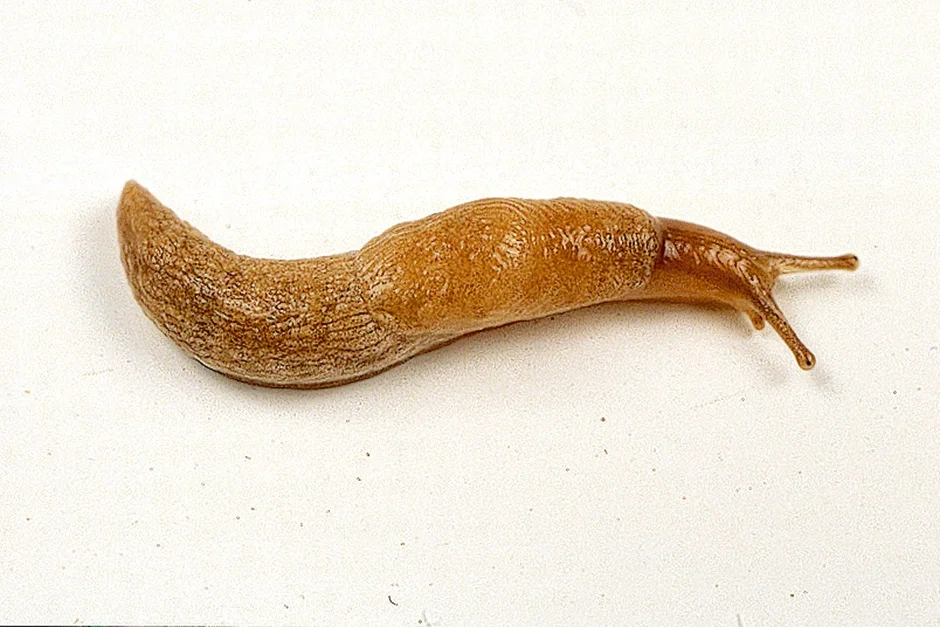
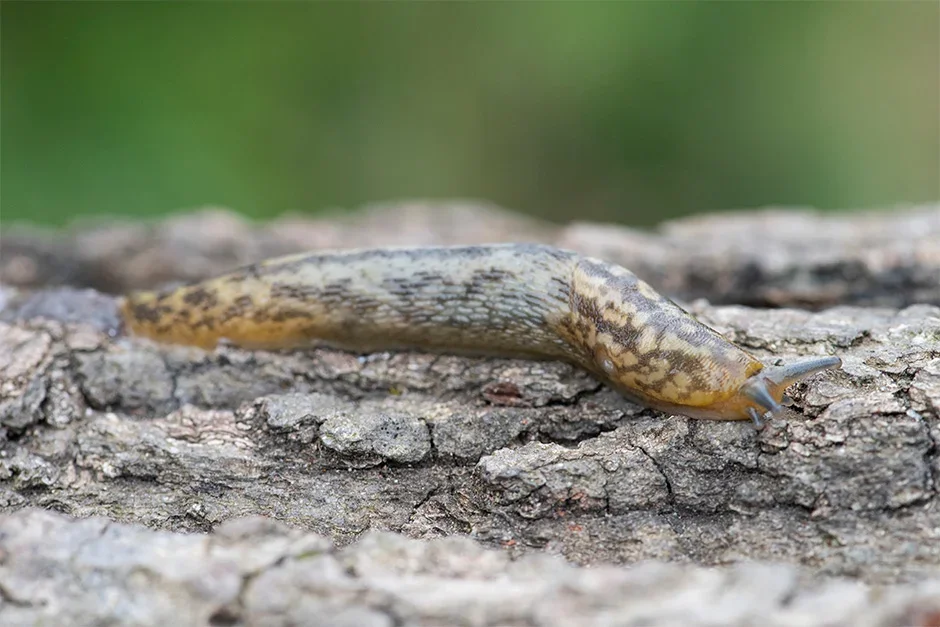

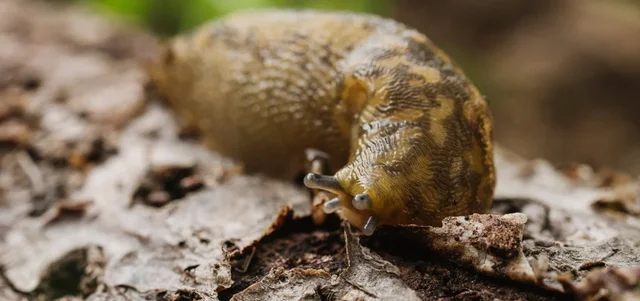
Then two species of cellar slugs – yellow and green – like to hide out under pots, or in the lid of your bin. These eat fungi and algae and are not a problem for gardeners. Finally, there’s the leopard slugs – highly territorial omnivores. They’ll sometimes eat plants, but will also attack other slugs in their territory and, overall, should probably be thought of as friends to gardeners.
I do! I understand how frustrating it can be. Slugs are found pretty much everywhere in the UK. They are well-suited to our current climate and are very successful in the garden habitat, which means they clash with gardeners, because they want to eat the stuff that we are trying to grow. At the same time, they are part of the garden wildlife, so learning to live with them rather than having this never-ending pitched battle against them is going to be a more successful and sustainable strategy in the long run. Because you can try to get rid of slugs from your garden, but to have any success in that endeavour, you’re going to cause harm to your garden ecosystem as a whole.
Slugs pellets are a big one. In the UK, we only have organic slug pellets left on the market, but ‘organic’ doesn’t mean ‘safe’, and there have been studies showing that these pellets have a negative effect on other wildlife – and we want to avoid anything that is going to have an impact on the food chain as a whole. But also, the pellets work by drying out the slugs, which is a really unpleasant way to die. For all of these reasons, we do not recommend people use them.
"If you try to get rid of slugs from your plants, you’re going to cause harm to your garden ecosystem as a whole."
Various studies over the years have shown copper to have a deterrent effect on slugs and snails, but these results aren’t always replicated in people’s gardens. This is probably partly to do with how much copper is being used. Some copper tape, for example, has been laminated, which may make it look attractive, but means slugs are not physically coming into contact with the copper, rendering it useless. Copper collars around plants in the ground also aren’t always effective, as slugs can stretch and bridge over these, or simply reach the plant by travelling through the soil. As for eggshells, not only can slugs change the composition of their slime to protect their bellies from the sharpness of the shells, but actually, eggshells are edible to slugs and might actually act as an attractant!
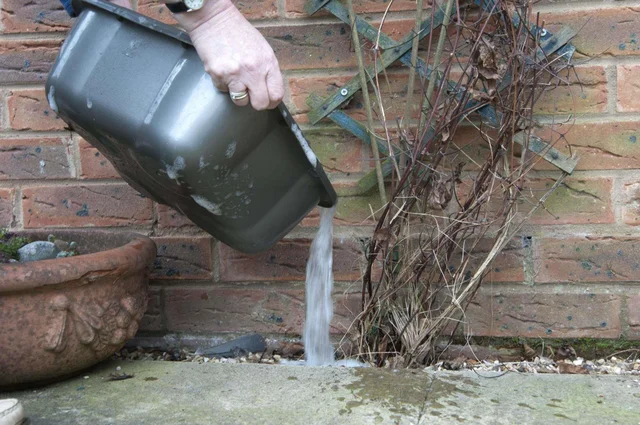
There are a few strategies that gardeners can adopt. Firstly, think about when you water. There has been a study that showed that switching from watering in the evening to watering in the morning can provide as much protection as slug pellets. This is because slugs need a certain level of moisture to survive. Drier surfaces are harder for them to move around. If you water in the evening, when the majority of slugs are most active, you’ve created a nice wet film that they can happily travel over, whereas if you water in the morning, the plants will hopefully have soaked up the water before the slugs’ active time.
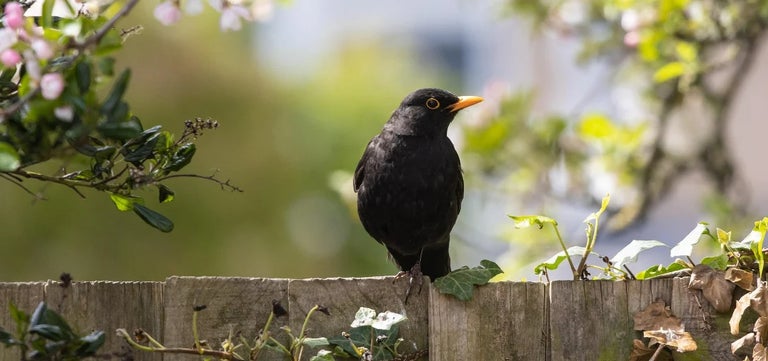
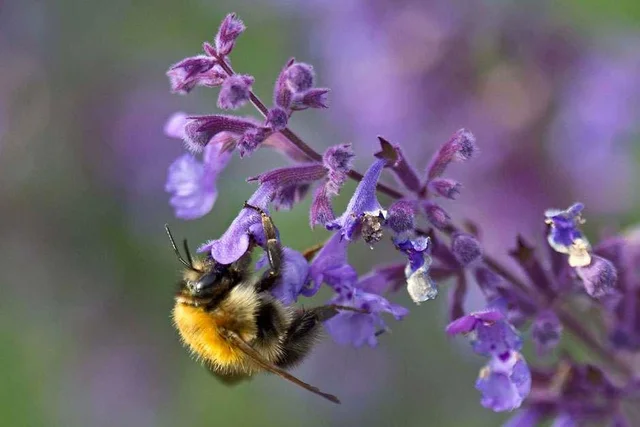
If you can encourage lots of the wildlife that predates on slugs, you will eventually reach a manageable balance. Some of the more charismatic creatures that like to eat slugs are thrushes and blackbirds, so providing the right kinds of nesting boxes can encourage these into your space. If you have space for a pond, and you get in frogs and toads, then you can see spectacular results.
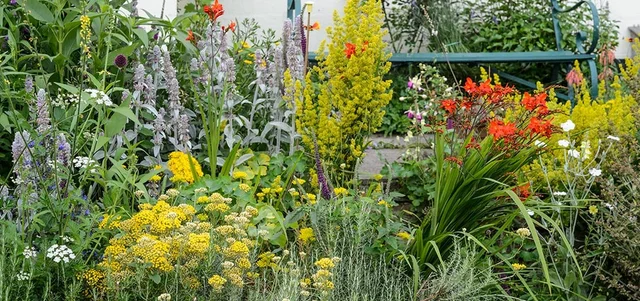
Some of the main predators of slugs are actually other invertebrates, particularly ground beetles. You won’t always see them, and so you won’t necessarily know whether they’re there or not, but to encourage them it’s just a case of building a diverse habitat, such as areas with different lengths of grasses, overgrown patches, different heights and different types of plants. The more diversity you can introduce into your garden, the more likely it is to be able to support a range of these different predators, and wildlife in general. You will never be able to eradicate slugs, and it’s not a sensible thing to aim for, but by building this diverse ecosystem you won’t have as many major problems.
We know in broad terms that they prefer soft and fleshy food, which is mostly down to the way they eat. They don’t have teeth or jaws but rather a radula, which is like a tongue that’s a bit like a cheese grater. They push this tongue out, pass it over the thing they’re trying to eat, and scrape little pieces into their mouth. Therefore the softer and juicier the material, the easier it is to eat, which is probably also why lots of slugs eat dead and rotting stuff, because that’s extra soft. Whereas anything that’s very woody or waxy or furry is going to be less attractive to them.
If your garden conditions are especially favourable for slugs, then you need to consider which plants you grow, or you’ll be fighting an uphill battle. I still encounter people who say they’ve been trying to grow hostas for 20 years and the slugs completely ravage them, year after year. I admire their tenacity, but maybe try growing something else! We do, incidentally, have a list on the RHS website of some of the plants that are suggested as being less attractive to slugs.

One of the things that I suggest in my book Slugs: Friend or Foe? has come from theoretical research about something called the push-pull technique. There have been farming systems that have put this theory to successful use. The idea is that you have your main crop, which is then surrounded by a plant which acts as a deterrent – a push plant – which in turn is surrounded by a sacrificial plant that the so-called pest enjoys eating. So you end up with these layers of protection.
For a domestic veg grower, that might mean you have a lettuce – your main crop – surrounded by strong-smelling herbs, such as sage and thyme, in turn surrounded by a cheap slug favourite, like nasturtiums. It’s a great theory. Whether it works in practice in a garden setting we can’t yet say for sure – I hope to do some studies on this in the near future. There remain a lot of questions to answer in the world of slugs!
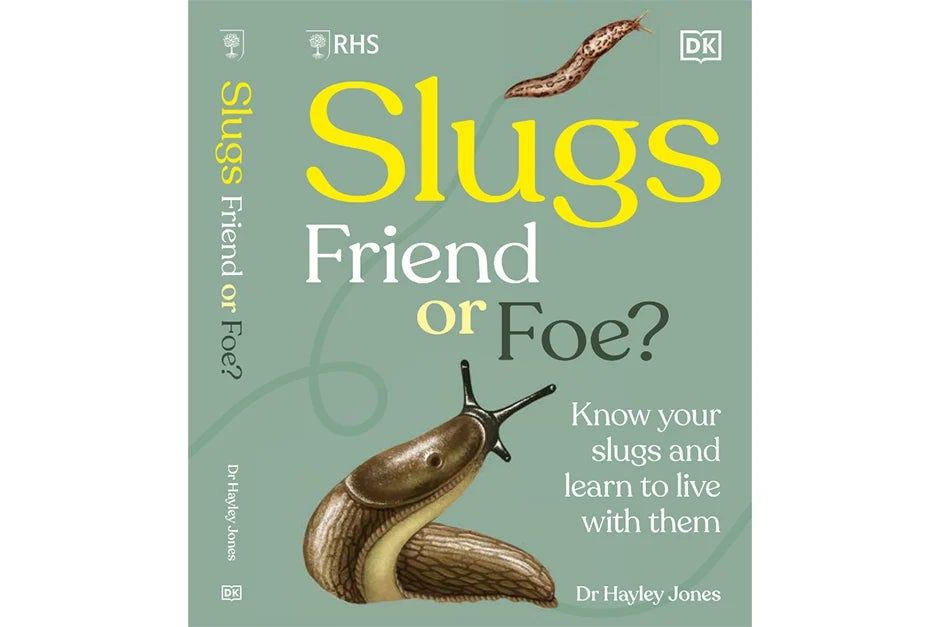
Slugs: Friend od Foe? by Hayley Jones, published on 8 May 2025, RRP £12.99.
This page is an adaptation of an article published in the May 2025 edition of The Gardenmagazine, free to RHS members every month when you join the RHS.