
What to do with a dark corner in your garden
Make a fernery of course! Or why not take it even further and make a stumpery? It might sound grand, but it’s easy to do, looks great and can make wonderful wildlife habitat too

Learn to love this ancient plant, which has survived climate change throughout the ages, and dares to thrive where other plants die. Expert growers Moss Clerks share their top five mosses to love
Moss is taking over, but after many years of being bemoaned for its spread through our lawns, it’s time to celebrate this underrated plant. Not only does it make a natural, green softener for hard landscaping edges, but it can also be used as a top dressing for planters and is perfect for using in terrariums. Better still, you can grow and collect it in your own garden.
You should never collect moss from the wild as all wild plants are protected under the Wildlife and Countryside Act (1981). Mosses play a valuable role in the of our landscape and should only be bought from sustainably farmed sources.
"Not so much groundcover as groundhugger"
The official term for the plant group including mosses, liverworts and hornworts is bryophyte and there are said to be around 1100 species of bryophyte in Britain and Ireland. They are believed to have evolved from ancestral green algae and are thought to include the earliest lineages of plants.
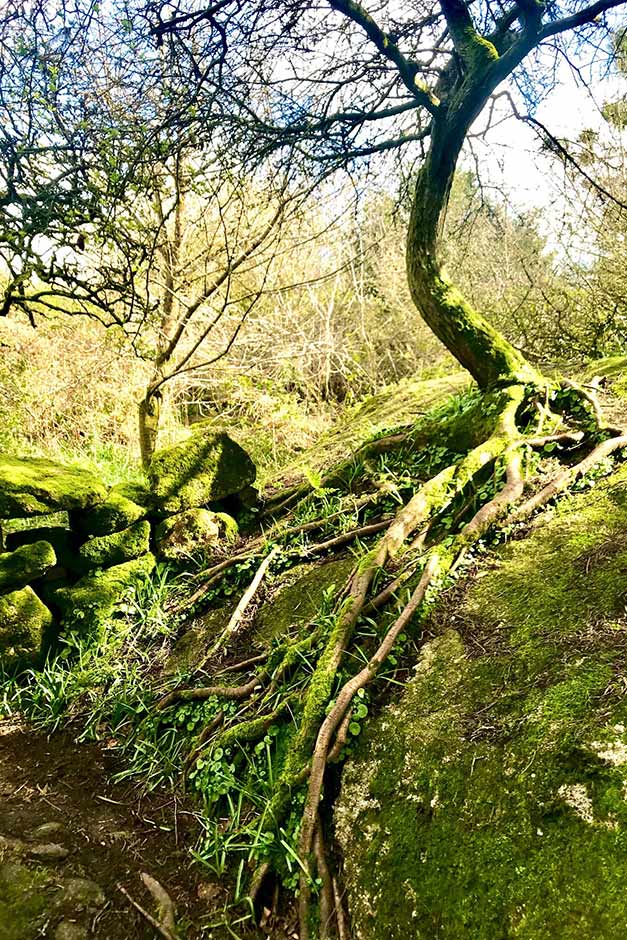
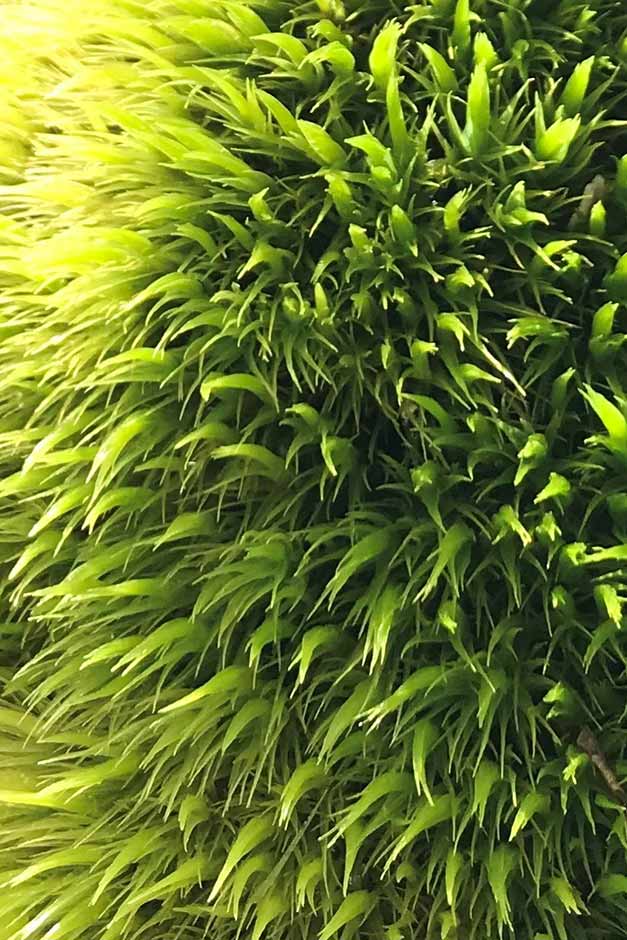
There are more than 20,000 species of moss worldwide, ranging in size from microscopic to over a metre. Their beauty lies in their colouring and their intricate detail, which begs to be admired up close. Some seem to glow with a mystical luminescence, while others resemble underwater seaweed or miniature forests.

RHS Chief Horticulturist Guy Barter says, “Moss has no roots and cannot compete with plants, and in fact is a useful groundcover, preventing weed seed , as well as boosting biodiversity. Moss is also fine to add to your home composting.”

At the RHS Urban Show in 2024, Moss Clerks caused a stir with their magical, moss-filled installation, which highlighted carbon processing, the cycle of life, and the important role played by moss. All the mosses they sell are either grown by them, or collected from certified timber areas.


Because of its versatility, carpet moss (Hypnum cupressiforme) can grow on a north-facing or a south-facing wall, on rooftops, in woodland, in between paving stones, and as a lawn.

The colour of glittering wood moss (Hylocomium spendens) goes from dark green with red stems to a flame orange with yellow tinges and red stems. It can grow in the shade and in the sun.

Haircap mosses (Polytrichum strictum) have the most developed rhizoid system, a primitive root system through which they take up to 70% of their nutrients, unlike other mosses which take them from the surrounding environment. Haircaps can withstand full sun if their rhizoids are deep in moist, clay soil.

This lovely woodland cushion moss (Dicranum scoparium) makes you happy just looking at it. It’s great for moss lawns alongside carpet mosses and adds a lovely contrast with its bright green colour.

Woolly fringe (Racomitrium lanuginosum) is a moss often seen growing in Iceland, where it can remain dormant for around 17 years. When dry, it looks white, like Santa’s beard, as it grows in massive tufts.
As a love of moss swept across the RHS Shows, it also featured at RHS Hampton Court Palace Garden Festival in 2024, where the Moss Magic Garden, designed by Bea Tann, brought the charm of a fairy woodland to a small urban space.

There was also plenty of moss on show at the RHS Chelsea Flower Show in 2024, with forest floors, woodland glades and shady courtyards all making the most of the green attributes of these fascinating plants.
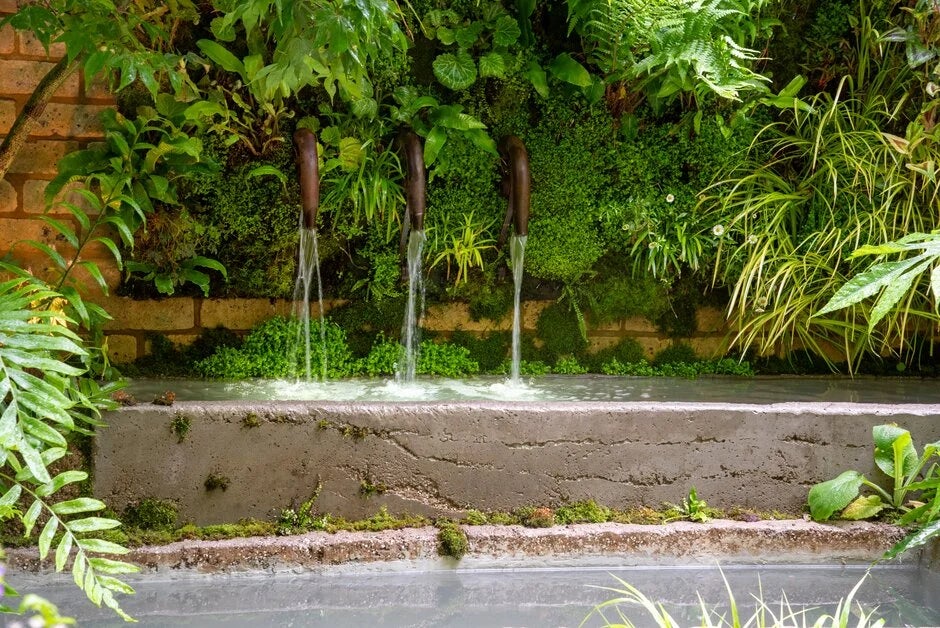
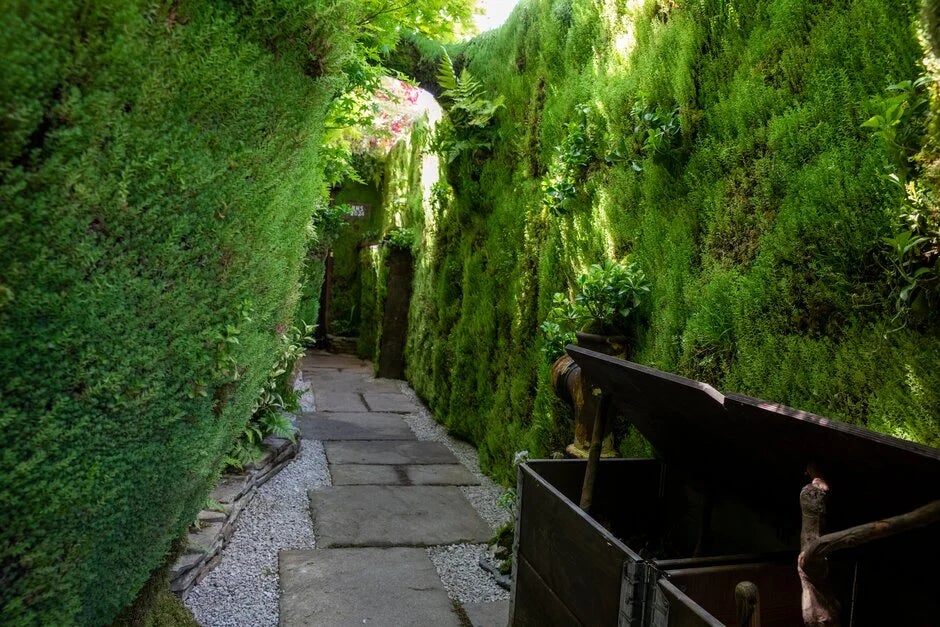
In the The National Autistic Society Garden, designed by Sophie Parmenter and Dido Milne, a shady dell at the rear of the garden was home to a range of mosses, clinging to stones, filling crevices and smoothing over sharp edges like a soft blanket. The smell was intense, drawing you in with that sumptuous earthy scent. It felt old, and that’s a good trick to use at home, giving new surfaces an aged patina by creating the right conditions for plants such as moss to grow – which generally means moist but well-drained, and they do love a slope.

Moss can be very useful to create that instant lived-in look. Nothing says ancient like a sprinkling of soft green moss, which can be tucked into crevices, spread onto dampened boulders, or used to blend edges.
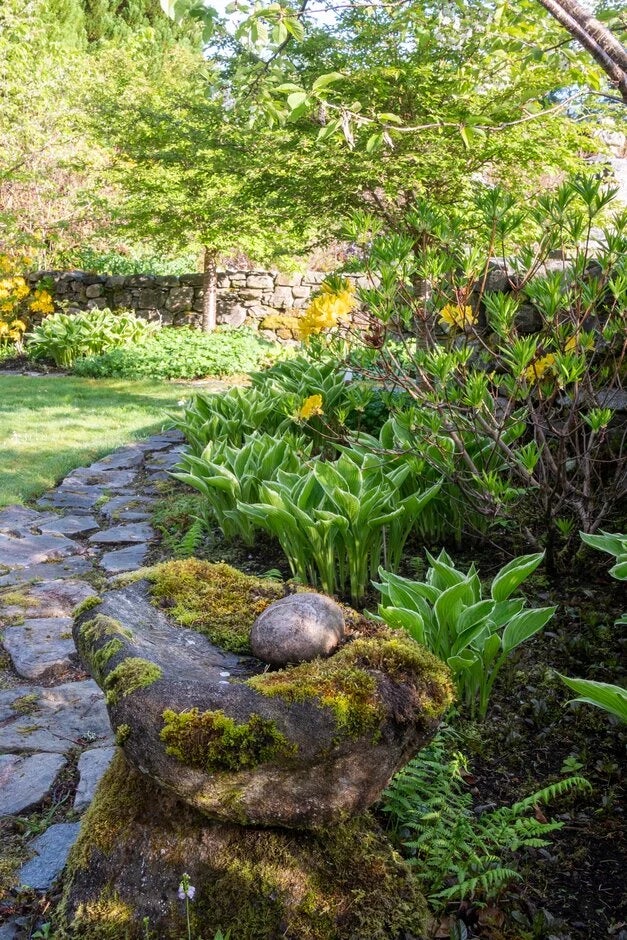
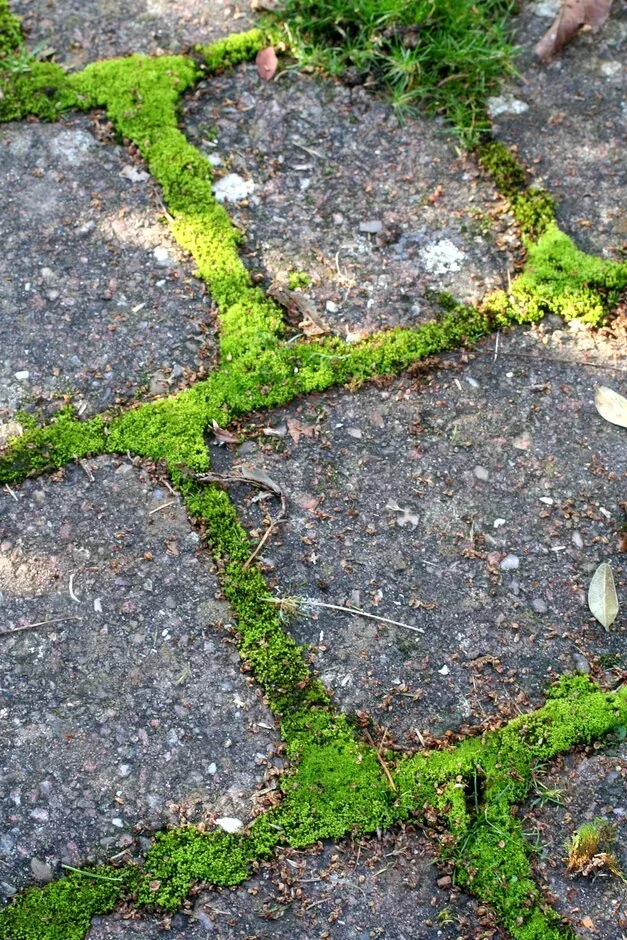
If you don’t like the moss in your lawn you could collect it yourself and use in craft projects. As well as being the perfect topping for planters and terrariums, moss is often used as a filler for wreaths, as it can hold moisture. You could even try creating a little bit of fairy-magic in your garden, like with this pretty birdcage, filled with moss from around the garden.
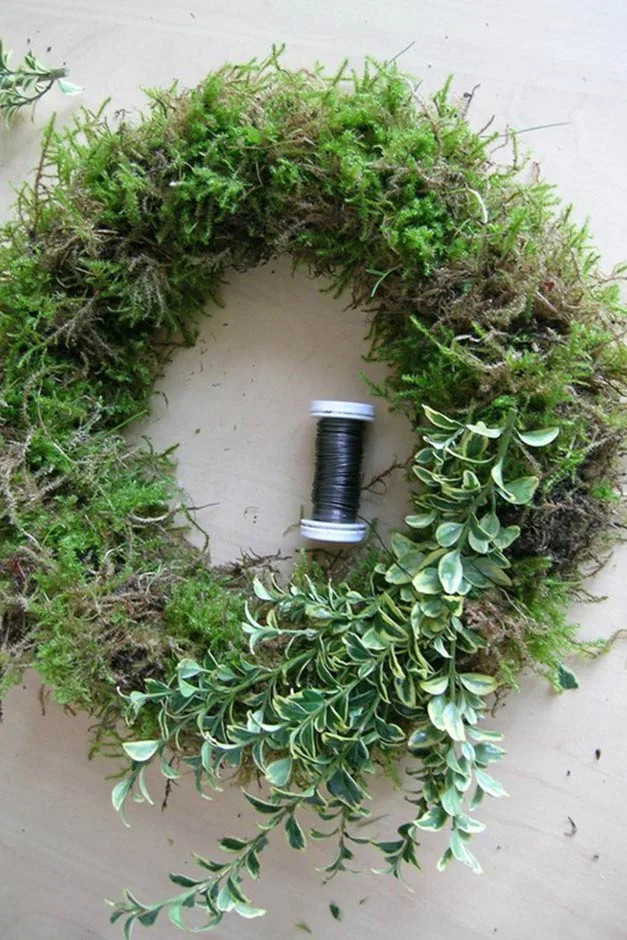
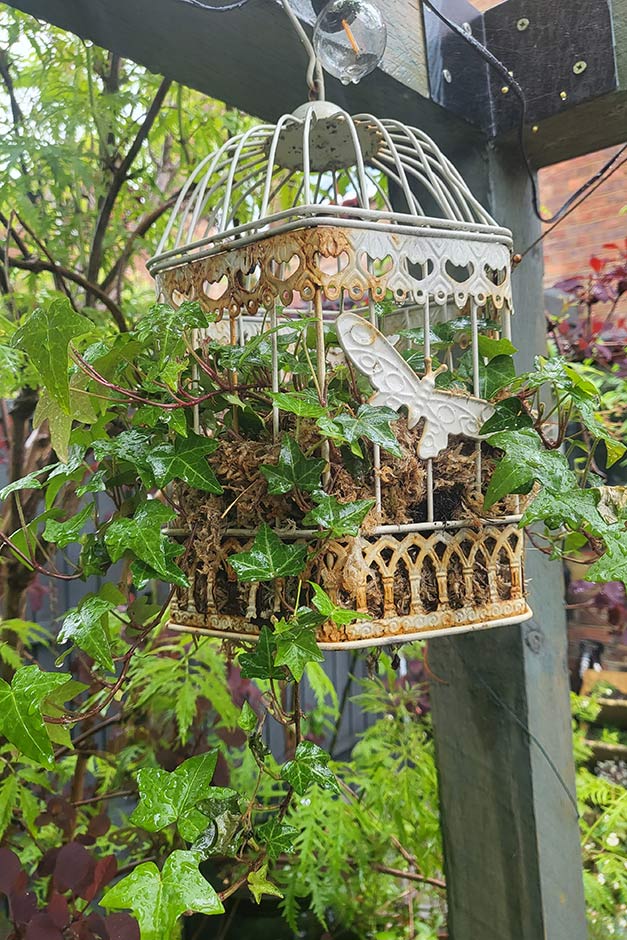
If you really don’t want moss growing in your lawn, the best advice is to scarify, to remove the moss, and then reseed bare patches with grass seed, but consider ways to reuse the moss you collect.
About the author - Natalie Ashbee
Natalie grew up on an arable farm in North Cornwall. She was a Primary school teacher, then started a gardening business, moving into garden and planting design. She spent several years in Bristol, where she was a Horticulturist for garden tv programmes. She now lives and gardens in West Cornwall.