A mixed native hedge is one of the best features you can add to your garden to benefit a wide range of wildlife, providing food, habitat and shelter
RHS Gardening Advice Team
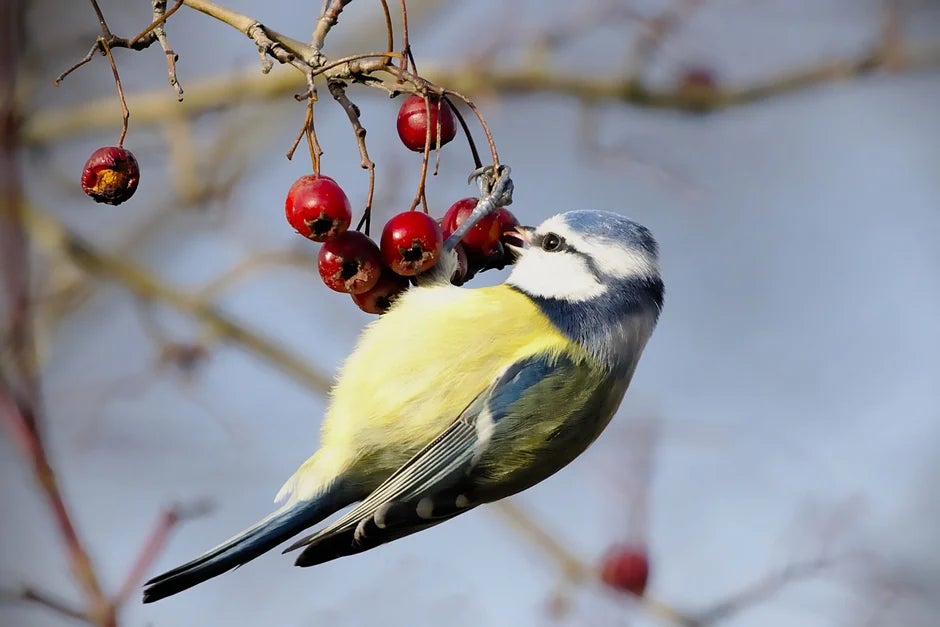
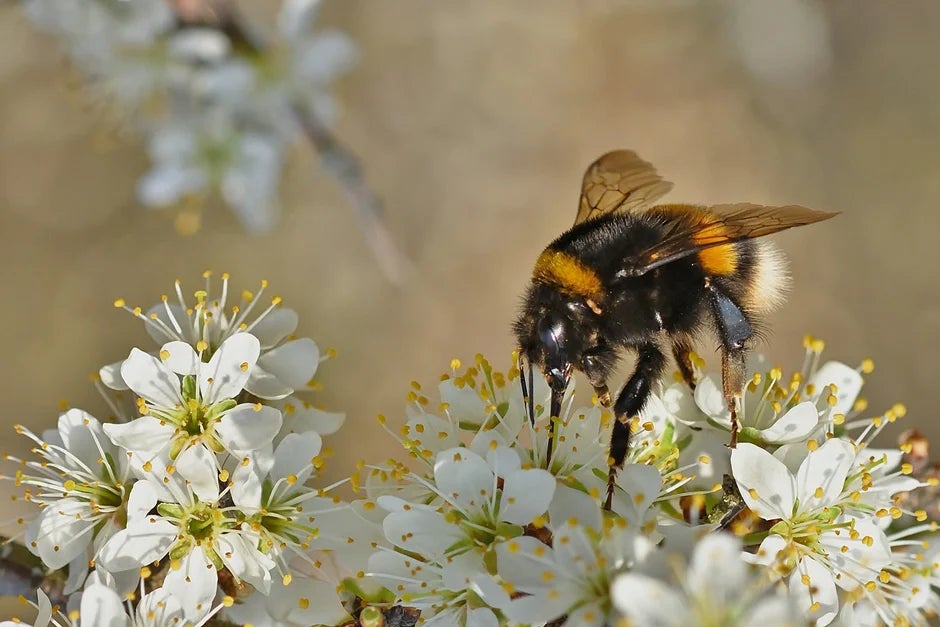
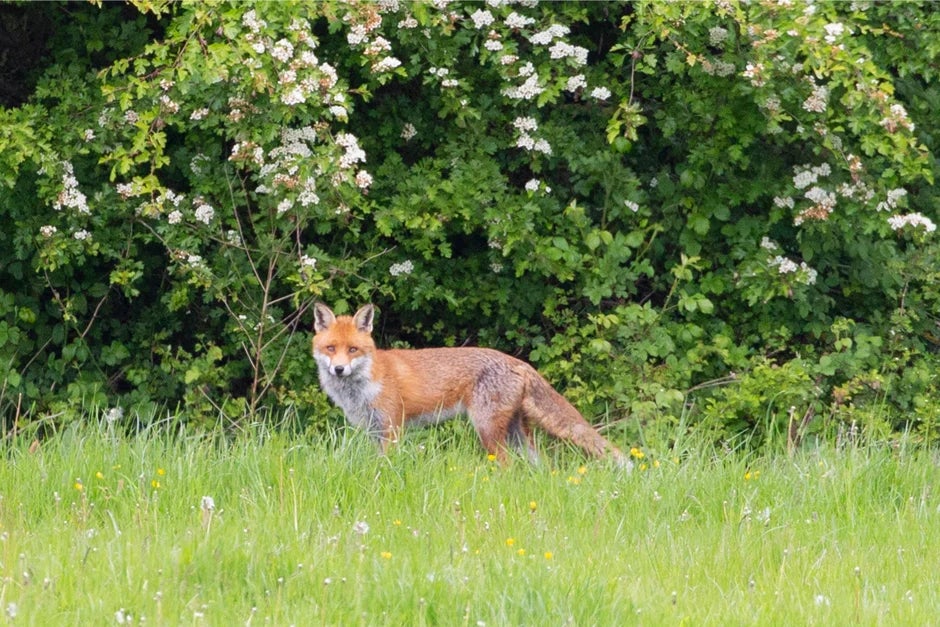
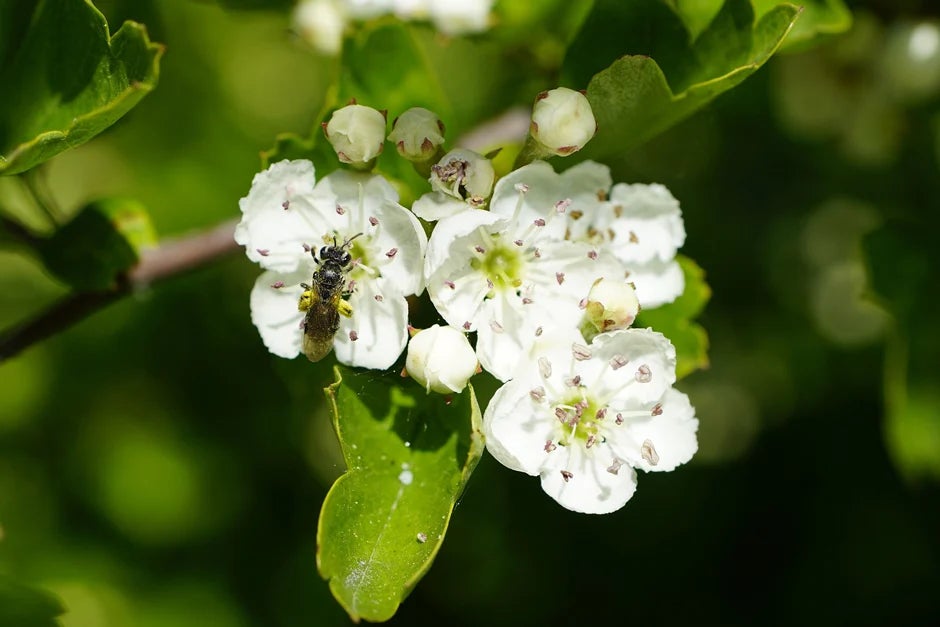
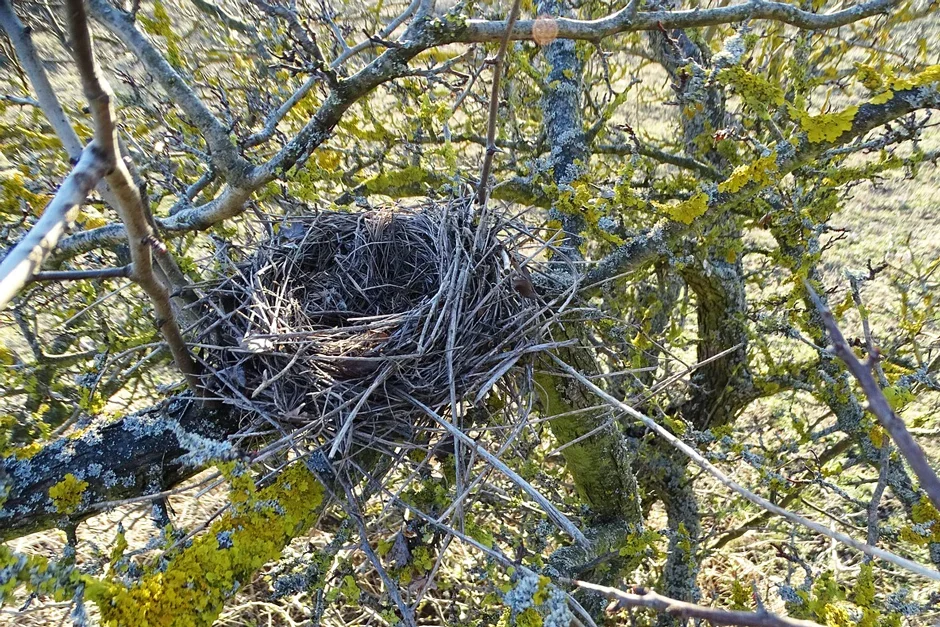
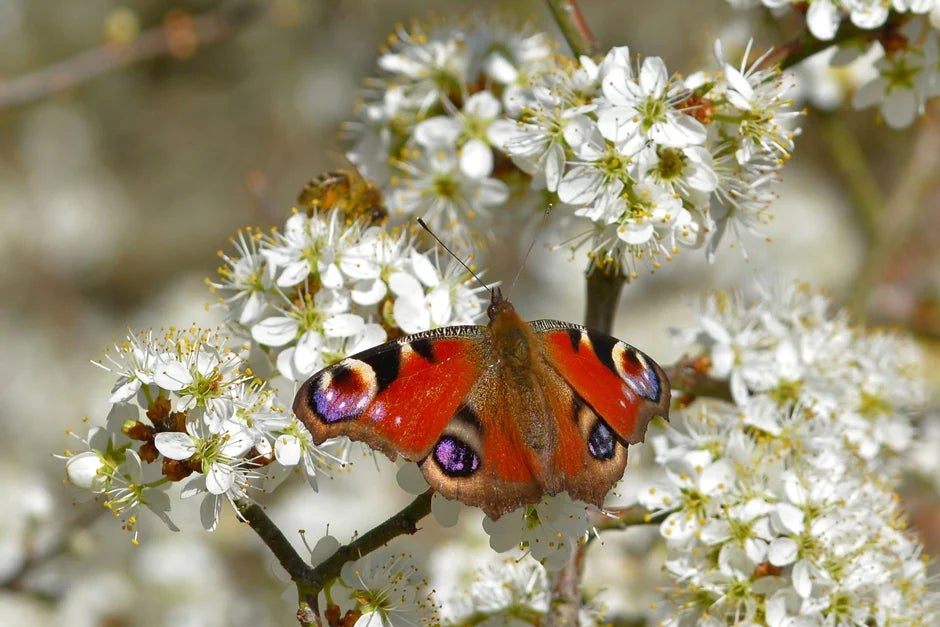
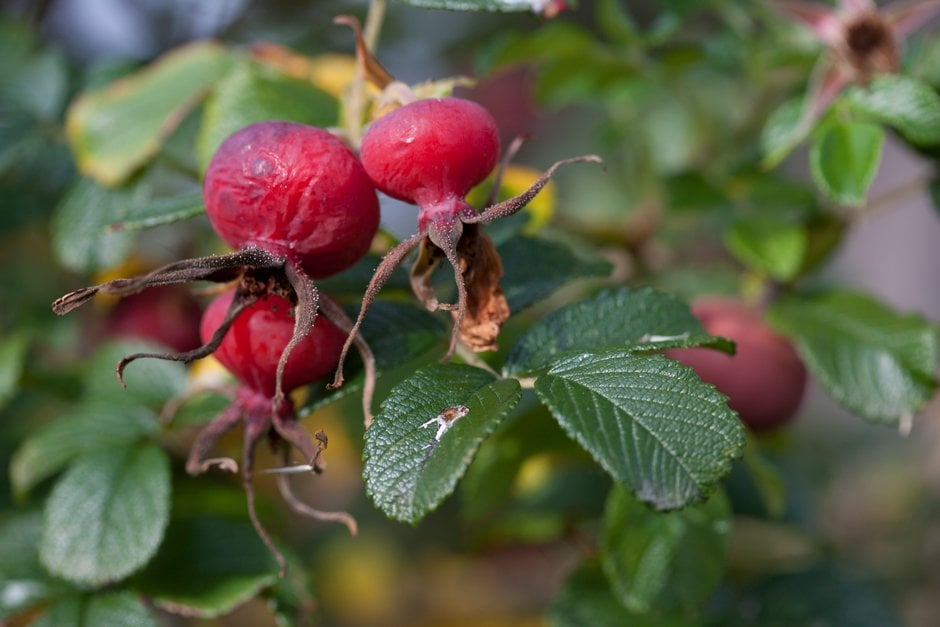
Establishing a wildlife hedge of mainly plants will encourage a wealth of animals and insects to visit your garden, and provide valuable resources to help them thrive. Bees and other pollinators are attracted to flowering species, while the leaves are food for caterpillars, which in turn make protein-rich sustenance for birds and their young. In autumn and winter, berries, hips and nuts are a much-needed larder during lean times. Mixed native hedges also provide bird nesting sites and shelter for small mammals like hedgehogs and field mice.
Other benefits of a bare root mixed native hedge
Deciduous hedges filter wind in winter, avoiding the potentially damaging turbulence associated with dense evergreen hedges.
They are forgiving in terms of pruning. Though they are usually trimmed in late summer, if you miss a year or two, they respond well to being hard cut in winter. Allowing them to grow larger – up to 1.8-2.4m tall – also maximises flowering and fruiting.
Bundles of bare root hedging are a cheaper option than buying individual plants in containers – especially useful where you need longer lengths of hedging.
Establishment is often faster from bare root plants, compared to container-grown ones.
Buying bare root hedging
Bare root hedging is usually sold in bundles of ten or more. Since they’ve no soil around their roots, the young trees will need planting soon after arrival. If your site isn’t ready, place the roots in a container of moist , or heel them into the ground temporarily.
When to plant a bare root hedge
Plant bare root hedges from late autumn to late winter (November-February), so they’re ready to spring into growth the next .
How to plant bare root trees
Prepare the planting area by clearing large weeds. Where soils are poor, dig in organic matter such as well-rotted garden compost. Space your plants 30-60cm (1-2ft) apart (depending on their size and vigour). For a wider hedge, plant a staggered double row 45cm (1.5ft) apart with 90cm (3ft) between plants. Plant just the roots, not the stem; firm gently and then water to settle in.
If there’s a dry autumn and winter after planting, your hedge will need occasional watering to stop the roots drying out. In spring, thickly the base to help reduce moisture loss from the soil. Use organic matter such as garden compost, and spread it to a depth of around 8cm (3in), leaving a slight gap so the mulch doesn’t directly touch the stems.
Water your hedge regularly during dry spells in spring and summer for the first three years to ensure the roots establish well.
After planting, cut back the main shoot by about one third to encourage bushy growth. Repeat this in the second winter, while at the same time also cutting back each side branch by a third.
Best native plants for a wildlife hedge
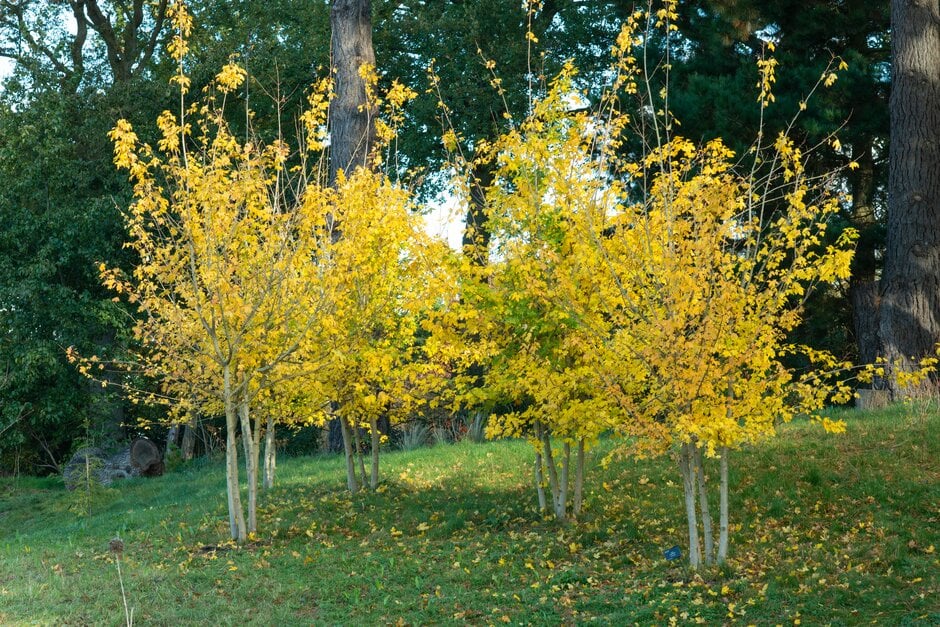
Acer campestre (field maple) – our only native species of acer; perfect for medium to large hedges. Has an attractive buttery yellow autumn leaf colour.
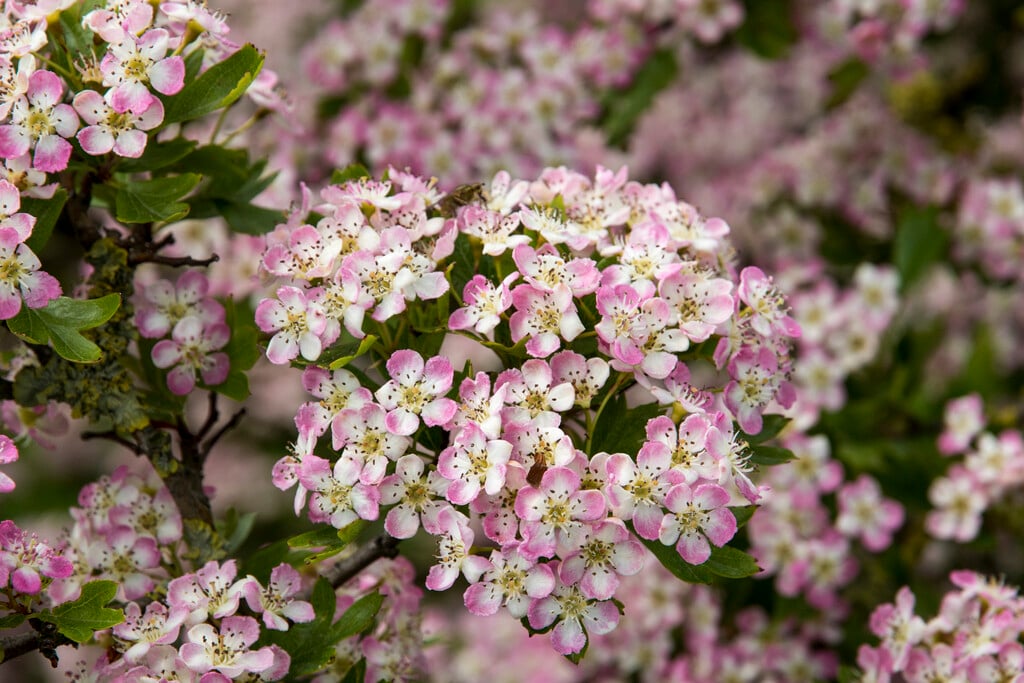
Crataegus monogyna (hawthorn) – ideal for medium to large hedges, hawthorn makes a dense thorny hedge. White or pale pink flowers in spring are followed by red berries in autumn, both of which are fantastic for wildlife.
Prunus spinosa (blackthorn/sloe) – for medium to large hedges, this vigorous thorny plant has white flowers in spring that are earlier than hawthorn, appearing before the leaves. Dark blue sloe fruits appear in autumn.
Rosa ‘Fru Dagmar Hastrup’ – a Rosa rugosa for small to medium hedges. The soft pink single flowers are scented and are followed by large red hips. The dog rose (Rosa canina) and Scotch rose (Rosa spinosissima) are native alternatives.