
How Bath is celebrating 250 Years of Jane Austen through flowers
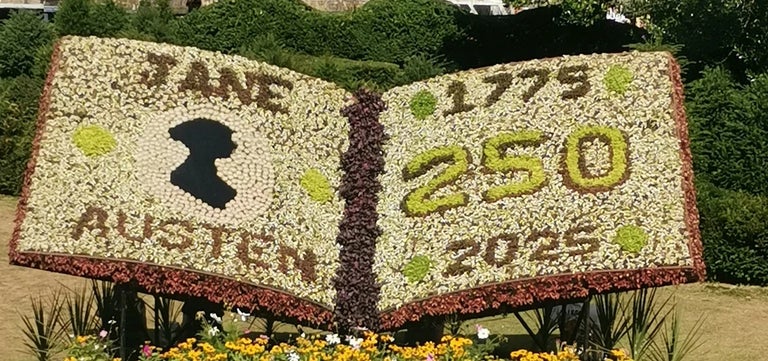
For its 2025 Britain in Bloom entry, Bath fills its streets with literary-themed flower displays and installations inspired by Austen’s life and letters

From upcycling old materials to running a charity shop, each volunteer in this Norfolk group channels their entrepreneurial spirit into supporting community initiatives
Set on the edge of The Broads National Park in Norfolk, Filby is home to Britain’s largest protected wetland. Not only is the village renowned for its rich Roman and Viking history, but it is also an important area for nature and , encompassing fens, marshes and woodlands. A small but mighty group of hard-working volunteers devotes their time and energy to improving the area as part of Britain in Bloom. Here, they share their top tips to help other community gardening groups thrive.

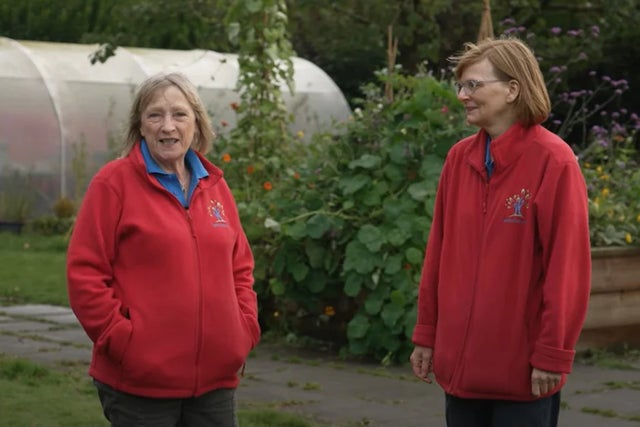
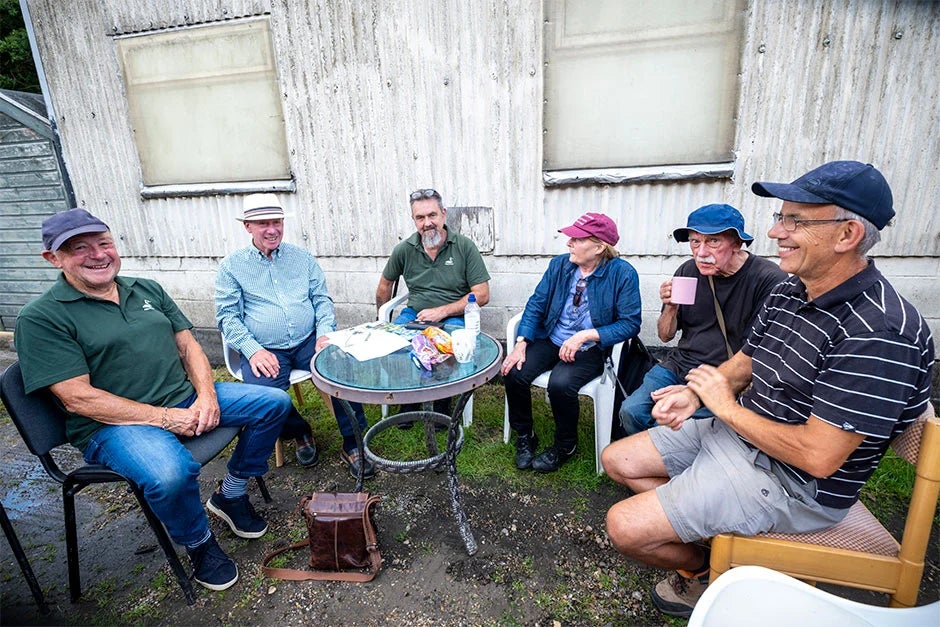
Volunteers of Filby in Bloom meet every Saturday morning and decisions are made over tea and biscuits, with only one formal meeting held each year. “Everyone is equal, as we have a common goal to make Filby a better place to live,” said Chairman Adrian Thompson, who has been involved with the group since it was formed in 1995. “The atmosphere is relaxed and we try to keep it fun – it shouldn’t feel like a job and it seems to work.”
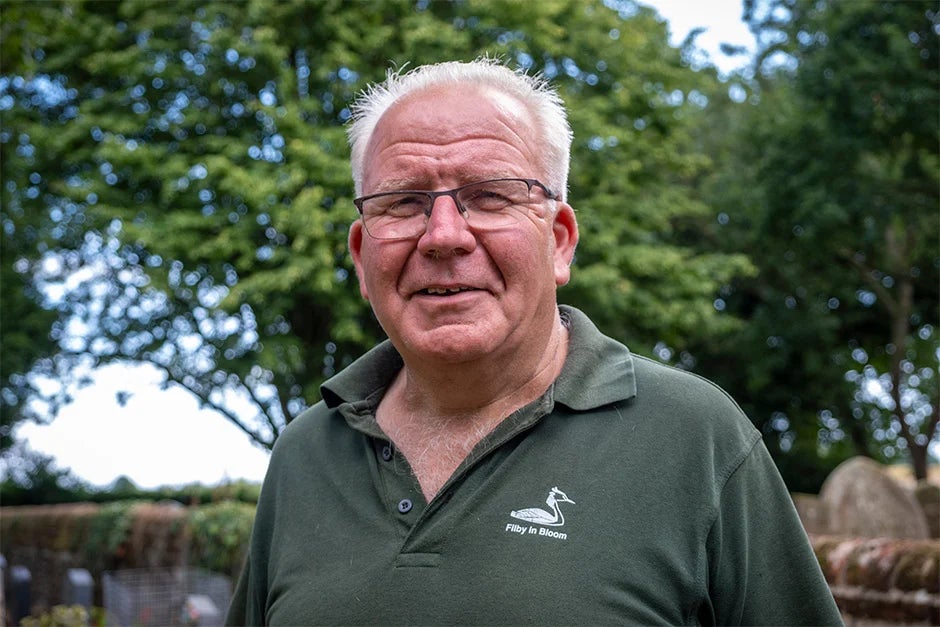
The group has had great success in the regional Anglia in Bloom competition over the years and has been a Britain in Bloom UK finalist several times, being crowned Village Category Winner in 2002 and again in 2017.
“There’s an enthusiasm shared by everyone to make this a special village,” said long-term volunteer Glenn Unstead. “People have a strong sense of ownership and civic pride. However, as a small village with limited funds, we have to be creative.”
"There’s an enthusiasm shared by everyone to make this a special village."
The group reduces, reuses and recycles whatever they can. Damaged pallets are transformed into nesting boxes and bread crates become plant trays. Even the eye-catching, colourful floral displays that Filby is renowned for are created with a sustainable mindset – using flowers grown from seed and plants sourced and purchased locally.
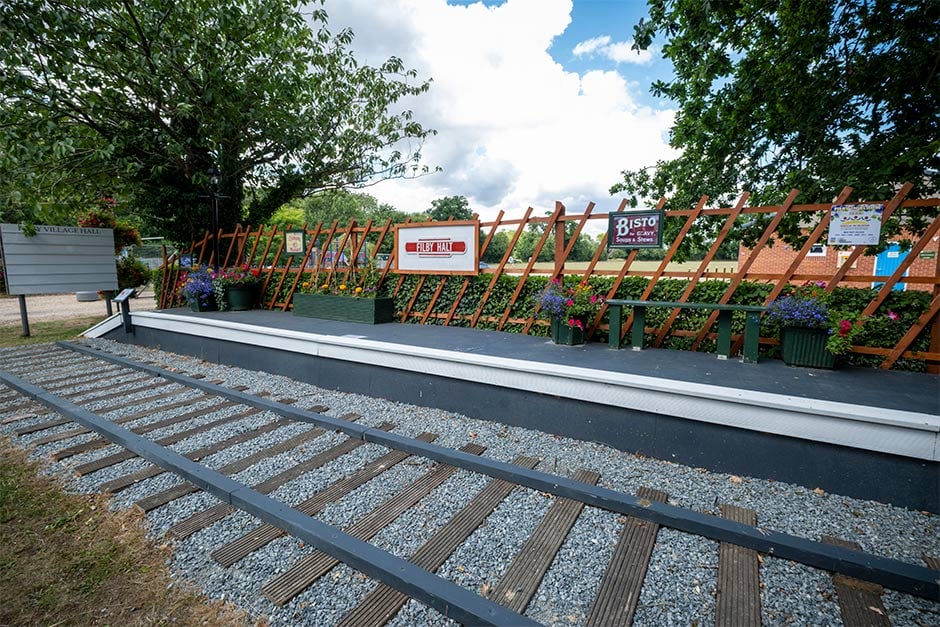
Filby Halt, a faux railway platform outside the village hall, incorporates repurposed timber, pre-used tin cans and sections of drainpipe. Although Filby doesn’t have a rail connectivity, the platform has been adorned in support of Railway 200, a project celebrating the 200th anniversary of the modern railway. “A local resident’s unwanted decking makes ideal railway sleepers,” said Glenn, who came up with the idea for the display.
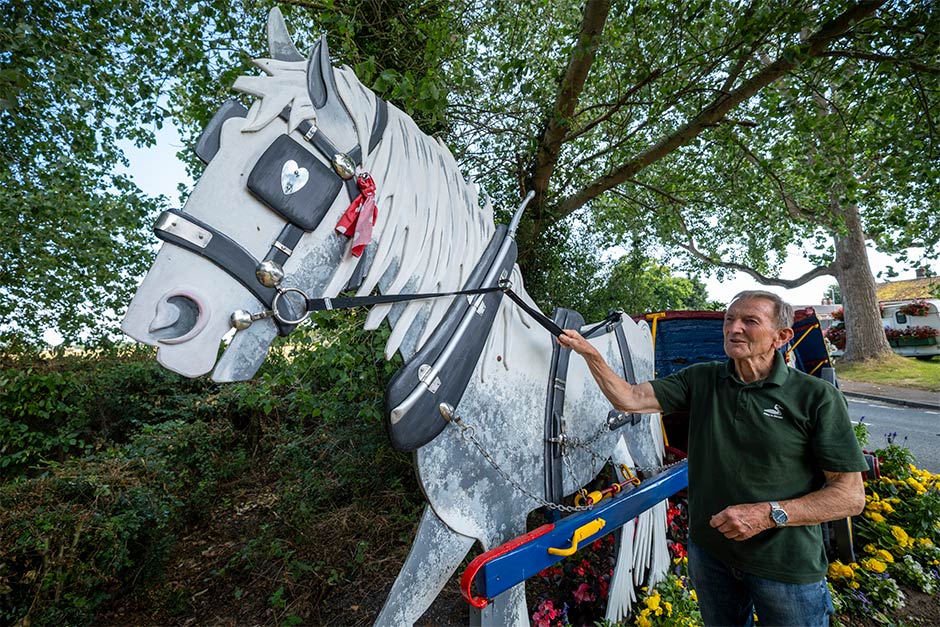
Head out of the village in the direction of Caister and the sea, and you’ll come across Billy – a typical Norfolk working Shire horse, 19 hands high, made from plywood – pulling a tipping cart. Created by skilled craftsman and Bloomer Tom, the display gives a nod to Filby’s agricultural heritage. Knives, forks and spoons are the unexpected items that bring Billy’s harness to life, an example of how Bloom groups engage local people through arts and crafts.
Alongside more traditional events such as seasonal fêtes, coffee mornings and an annual open gardens weekend, an entrepreneurial initiative by volunteer Jenny Thompson is generating much-needed funds for community projects.
Filby’s Charity Shed Shop, situated just off the main thoroughfare, first opened its doors in 2022, selling pre-loved and unwanted items such as soft toys, books and household items. Three years later, Jenny spends every spare minute sorting through bags of donations, getting them ready to sell in the shop each weekend.

“It’s like an Aladdin’s cave – one person’s junk is another person’s treasure ,” said Jenny, whose main motivation is keeping things from landfill.
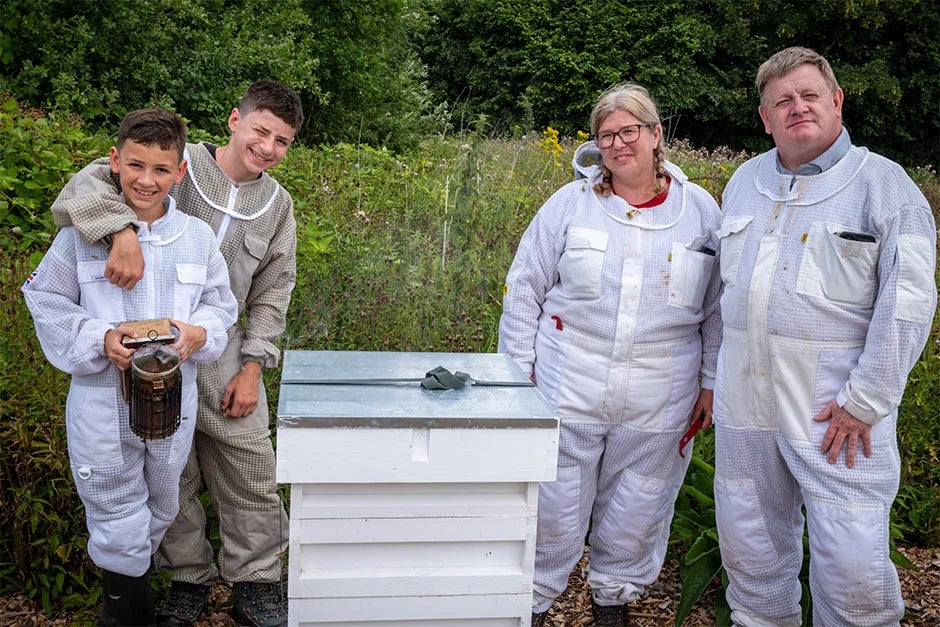
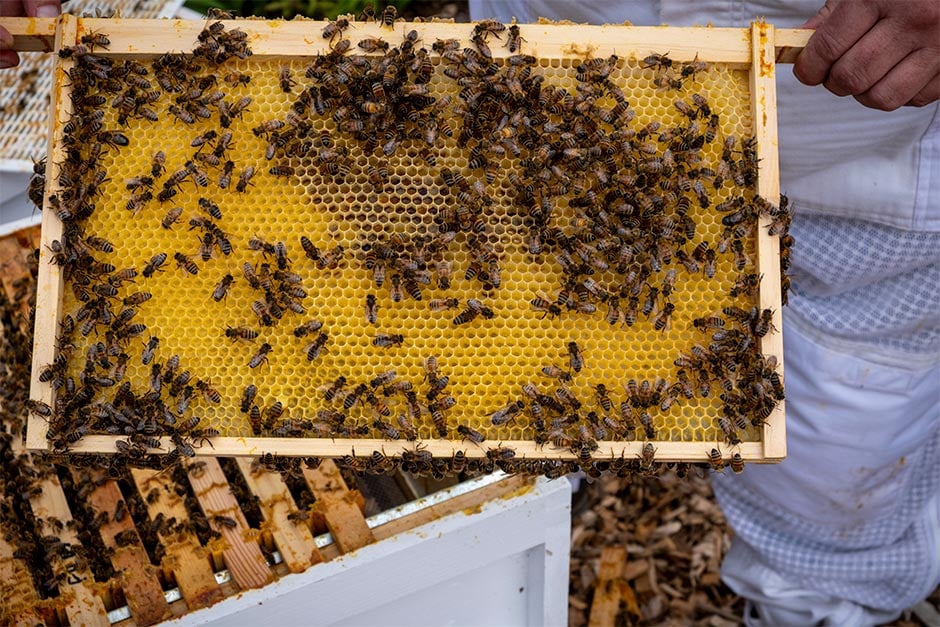
“Around £90,000 has been raised over the last four years. The project’s really taken off,” said Chair Adrian. “Without these extra funds, much of what we do wouldn’t be possible.” Projects that have benefitted from the Charity Shed Shop include the initial outlay for four beehives and bees for the village’s honeybee project and the creation of four bus shelters in Filby and its surrounding parishes. “You do your bit and make it shine, and it catches on. People feel part of something and a sense of ownership,” added Adrian.
"Around £90,000 has been raised over the last four years through the Charity Shed Shop. Without these funds, much of what we do wouldn’t be possible."
The honeybee project, in particular, includes four hives, each containing 40,000 to 60,000 bees. Max, 13, and his brother Theo, 8, are learning new skills at the apiary, where Max enjoys “finding the queens and hearing the bees.”
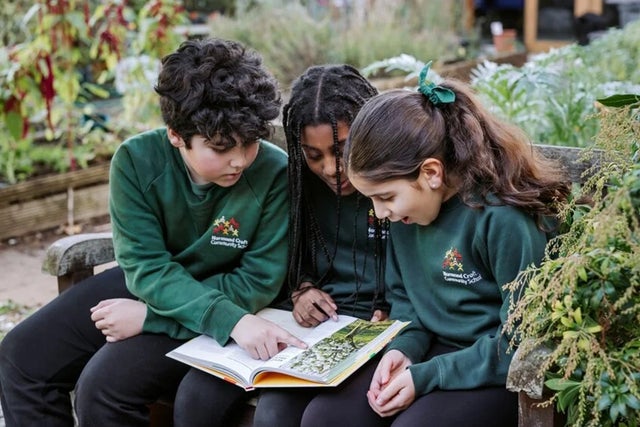
With the support of Filby in Bloom, other youngsters are growing sunflowers and vegetables at the local primary school.
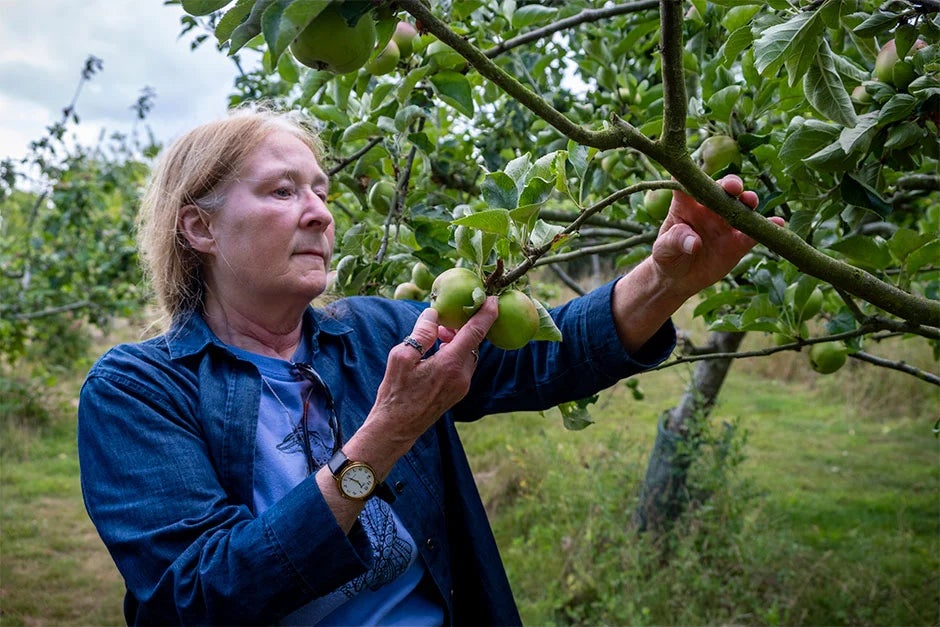
Enhancing biodiversity is also at the heart of several Filby initiatives. The volunteer Bob explained that the village’s mindful wildlife garden is “for the community, education, mindfulness and nature.” Tucked away next to a flourishing community orchard, the garden features a giant bug hotel, a stumpery, a new pond, beds full of herbs and medicinal plants and edibles such as raspberries.
“It’s a place to sit and listen to the birds, take a breath and enjoy the peace,” said Christine, whose mum Margaret established the garden more than 20 years ago. The garden is managed in a relaxed way to encourage a riot of wildlife. “The hope is that people might replicate some of the garden’s elements in their own gardens.”

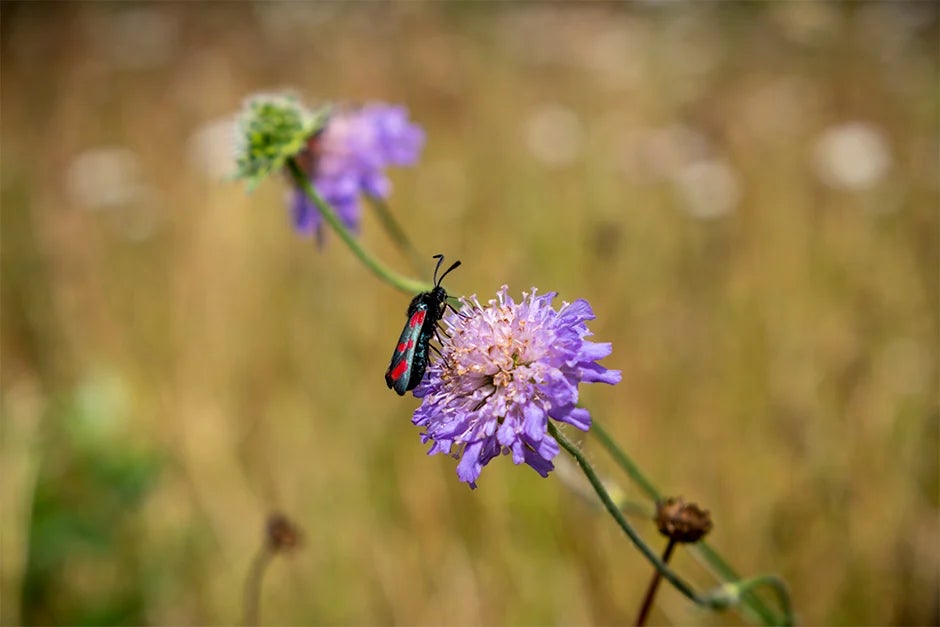
Beautiful Church Meadow – brimming with ox-eye daisy, wild carrot, common knapweed and numerous bat and butterfly species – is another space enjoyed by pollinators and people alike.
Motorists make detours to drive through Filby, a place where the power of flowers, sense of community and entrepreneurial spirit come together to create a special village.
Other handy tips for community gardening groups
Filby in Bloom is one of 44 finalists for RHS Britain in Bloom UK 2025. There are 17 Britain in Bloom regions, each nominating their highest-performing entries to compete in the UK Finals, and Filby has been selected by Anglia in Bloom. Each finalist is visited by a pair of judges and the results will be announced at an awards ceremony in the autumn. The judges assess groups’ efforts against criteria that have environmental benefit, community engagement and horticultural excellence at their core.