A green gem in the shadows of The Shard
Red Cross Garden is an open green space in the heart of London. It’s managed by the Bankside Open Spaces Trust, a Britain in Bloom UK finalist group, along with volunteers and local residents
A short walk from the hustle and bustle of London’s Borough Market and Bankside is a hidden gem of a green space, Red Cross Garden. This special place, set against the backdrop of The Shard, is cared for by the Bankside Open Spaces Trust (BOST), along with volunteers and local residents. BOST – in collaboration with Better Bankside– and Southwark Council is one of 44 groups competing in the RHS Britain in Bloom UK Finals 2025, nominated by London in Bloom.
Championing open spaces

Red Cross Garden is a secret gem nestled within the streets of Southwark
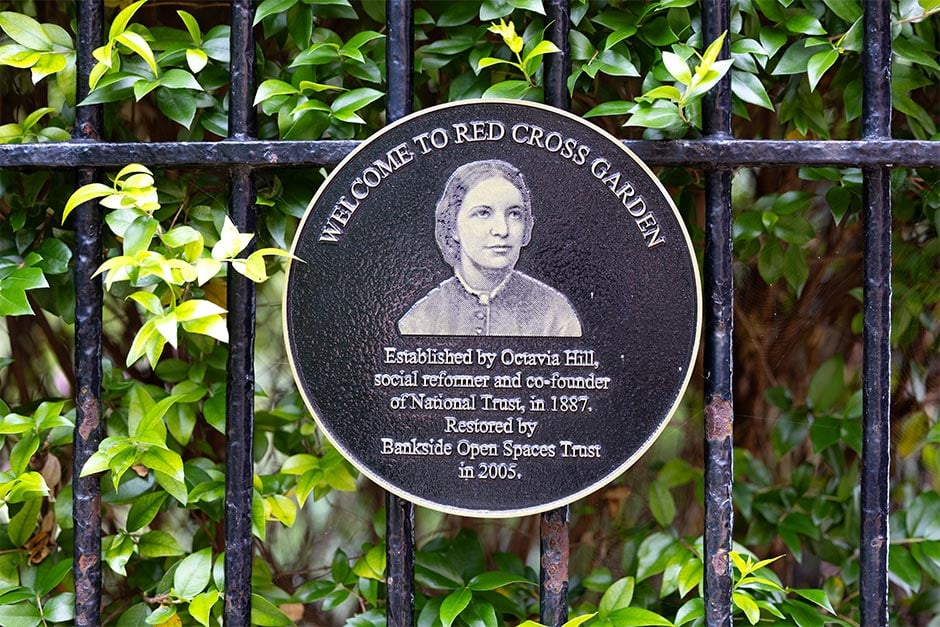
Red Cross Garden is an award-winning Victorian garden, established in 1887 by Octavia Hill, social reformer and co-founder of the National Trust. She was convinced of the need for open public spaces for those living in urban areas and this garden is a model of what Octavia wanted to replicate in other similar settings.
After the Second World War, Red Cross Garden fell into disrepair. It was restored by local residents, supported by BOST, in 2005. The restoration remained true to Octavia’s original plans, which included planting by Fanny Wilkinson, Britain’s first professional female landscape gardener. The garden was officially reopened by the Princess Royal in May 2006. Today, it features beautiful borders filled with plants such as Bistorta amplexicaulis (Red bistort) and Tithonia rotundifolia (Mexican sunflower), lawns and a large wildlife pond.
“Bankside Open Spaces Trust protects, preserves and enhances green spaces in London’s SE1 (South East) and surrounding areas,” explained William Rallison, BOST’s Head of Parks and Community. “Together with our passionate volunteers, we deliver projects designed to improve people’s lives by making where they live and work greener and more beautiful. We work with the local community and partners to champion open spaces such as Red Cross Garden.”
"We deliver projects designed to improve people’s lives by making where they live and work greener and more beautiful."
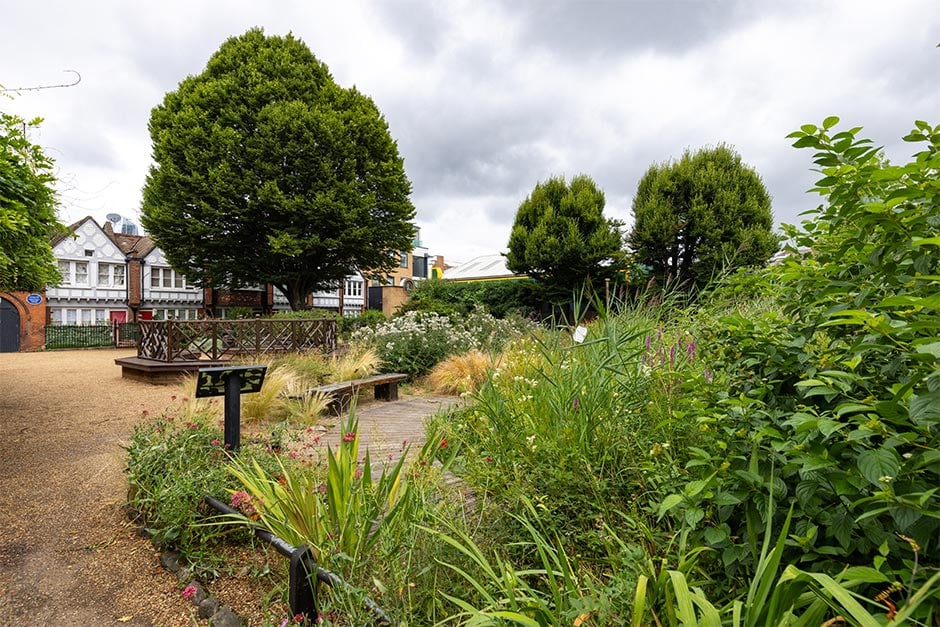
On a sunny day, more than 100 people can be found enjoying the garden’s benches and blooms. Many visitors take time out of a busy workday to eat lunch in the garden, chat to a colleague or just sit among the flowers and wildlife.
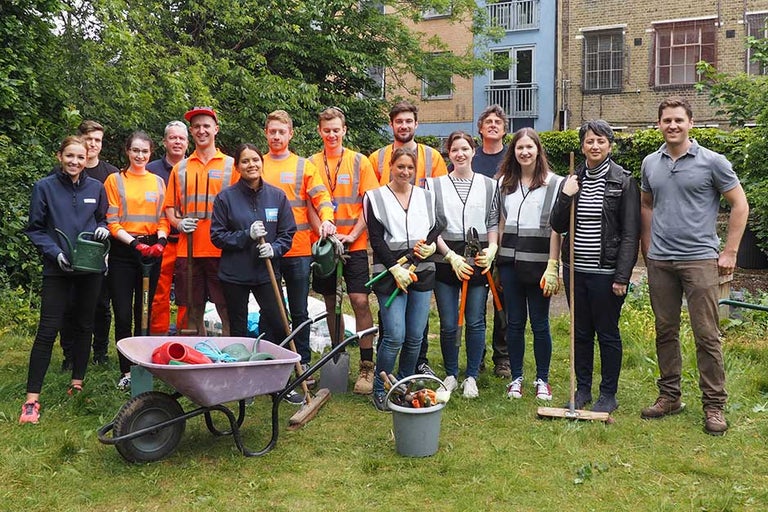
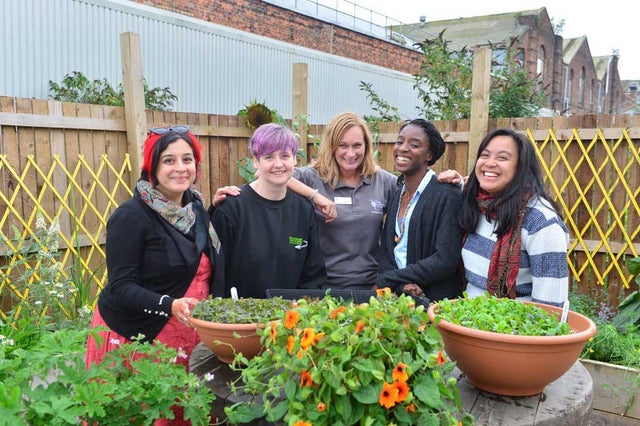
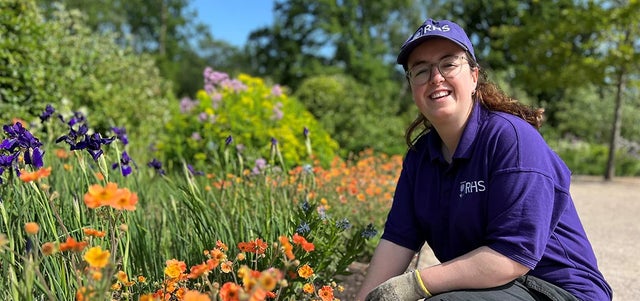
As well as being a place to relax, the space also provides opportunities to garden, learn and grow. Every Tuesday morning, BOST runs a volunteer gardening club at Red Cross. Volunteers come together to help maintain and care for the garden. Many of the volunteers live locally; some have access to their own green spaces, while others don’t, but all enjoy the benefits of gardening together at Red Cross Garden.
Jobs for everyone
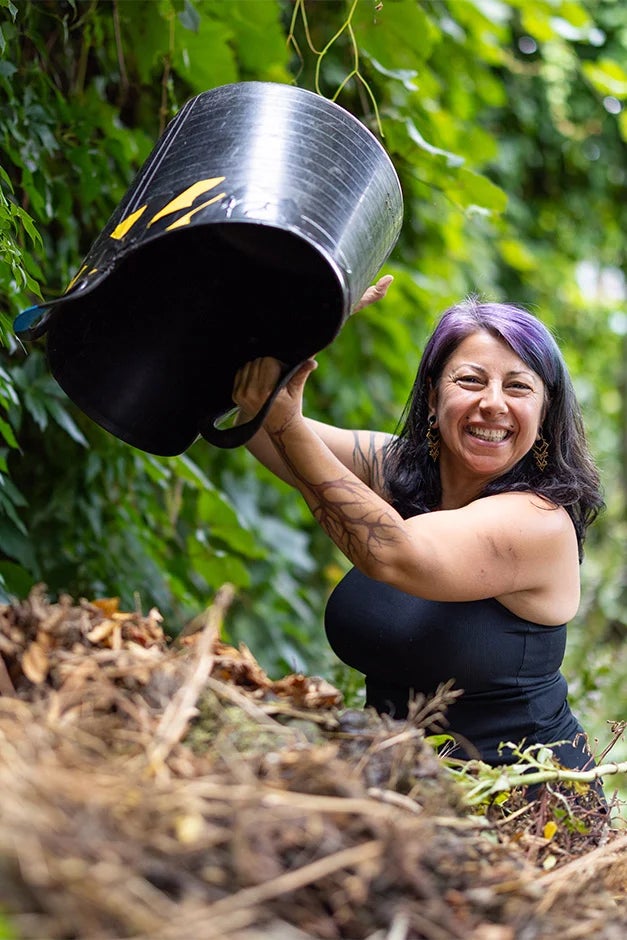
“We usually get between five and ten volunteers,” said Isabelle Mazille, BOST community gardener, who runs the volunteer sessions. “Volunteers are involved in jobs such as weeding, litter picking, planting, mulching, cutting back, sweeping leaves, pruning and composting – whatever needs doing. There are jobs for everyone, but we always make time for tea, biscuits and a chat.”
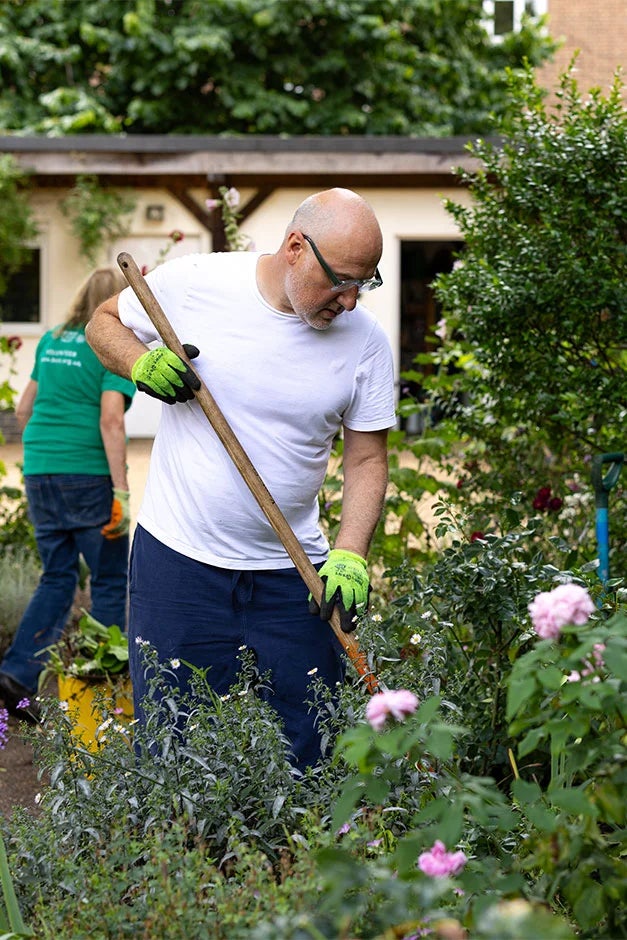
Gardening in an urban setting can be challenging, of course, as Head of Parks and Community William explained. “The garden is a public space, so misuse is sadly inevitable. Mostly it’s just minor problems like litter or squashed plants, but drug use and dog fouling can be an issue.”
BOST’s staff are well trained in managing urban spaces, and with that comes resilience. However, damage can be upsetting for volunteers who give up their time to ensure spaces look beautiful for the public. William’s team supports volunteers by addressing issues straight away and by sharing all the positive reviews the garden receives.
As well as caring for the garden, volunteers learn new skills along the way. Isabelle had a change of career following the pandemic, with volunteer work in the garden and a place on BOST’s Future Gardeners scheme leading to her becoming a session gardener with BOST and now a community gardener.
Increasing biodiversity

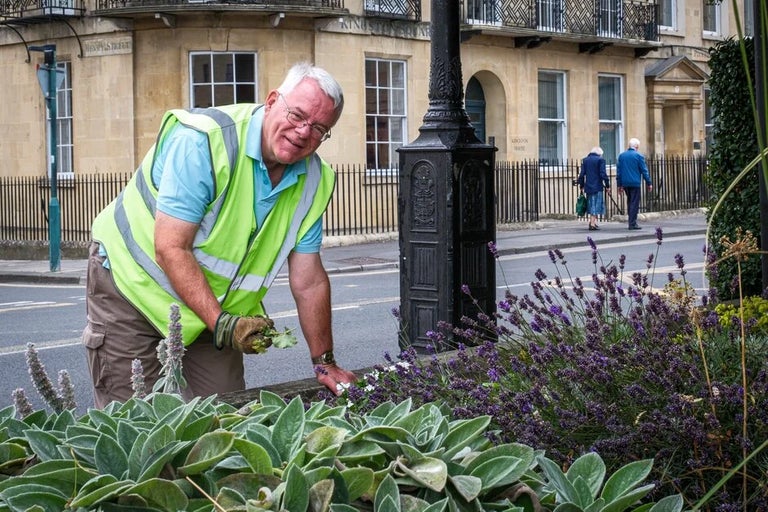
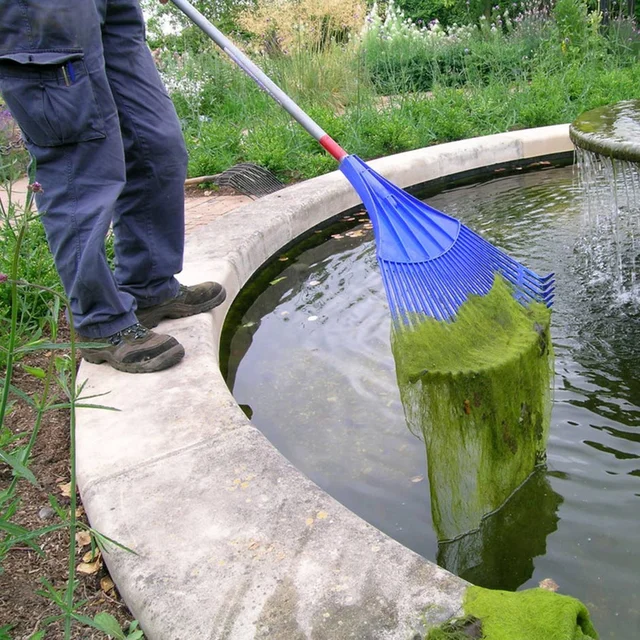
Volunteer Doug Wright helps maintain the wildlife pond at Red Cross Garden
Last summer, volunteer Doug Wright heard about an opening for a dedicated pond volunteer to maintain the garden’s large wildlife pond. Doug jumped at the opportunity. “I’ve always found ponds interesting and love the beauty of plants,” he said. Doug undertook training with Walworth Garden, an award-winning organic garden in Southwark, and helped create a pond with reptile and amphibian conservation charity Froglife to enhance his skills. He’s been maintaining the pond ever since.
“In the summer, blanket weed is a problem. When I remove it, I put it by the side of the pond to allow any amphibians to crawl out before it goes on the heap,” explained Doug. “The bullrushes also need cutting back. There are lots of jobs to do, but I find it restful. It’s very therapeutic.”
"The pond is teeming with creatures, including insects, toadlets and froglets. It also encourages natural predators to the garden."
The pond used to be purely ornamental, but when it was remodelled 20 years ago, the focus shifted to increasing . “It’s teeming with creatures, including insects such as the common blue damselfly and large red damselfly, toadlets and froglets. The pond also encourages natural predators to the garden.”
A community hub
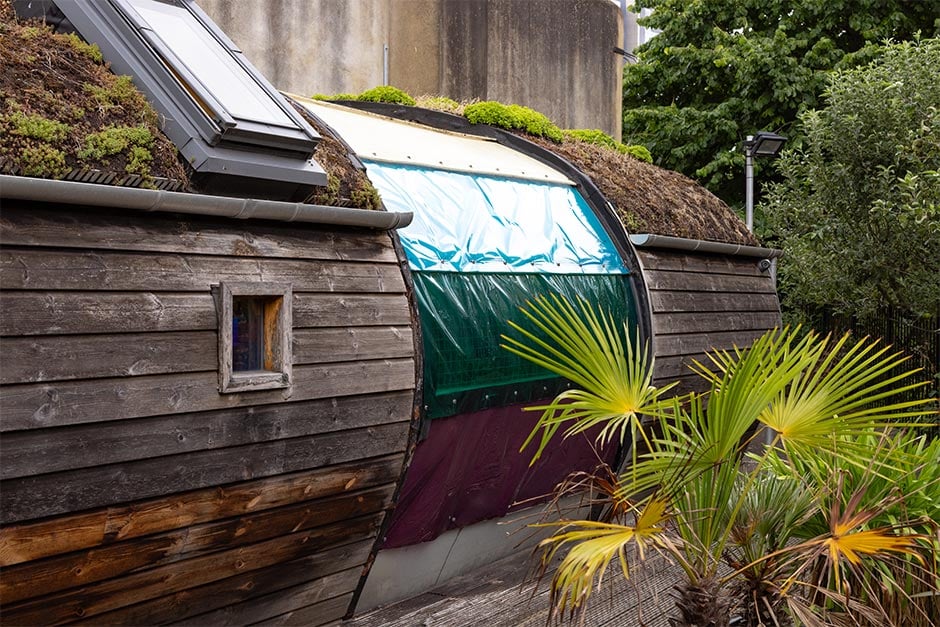
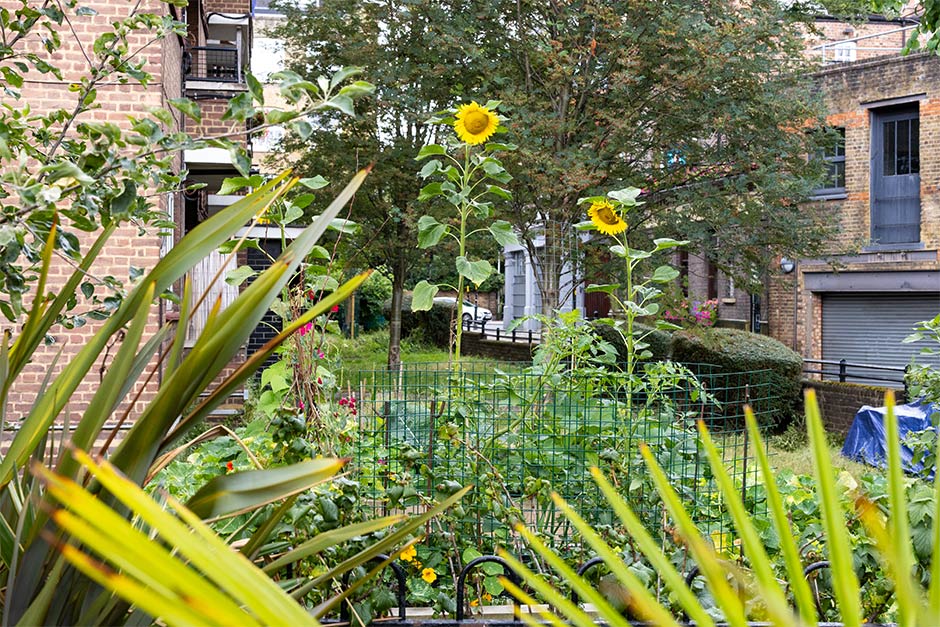
Apart from the volunteer gardening sessions, the garden is used for after-school clubs, poetry readings, celebrations and events. Adjacent to Red Cross Garden is The Ecohouse, a hub for the community also managed by BOST. Here there’s a room for propagating and growing plants, a space for workshops and a gardening library. There’s also a food-growing project on site.
Alongside Red Cross Garden, BOST manages other green open spaces around SE1, including Crossbones Garden, Waterloo Millennium Green and the Marlborough Sports Garden. These green pockets across South East London enrich their neighbourhoods through community, collaboration and environmental education.
Red Cross Garden’s community gardening tips
- Involve volunteers in anything that needs doing – whether it’s sweeping leaves, litter picking or pruning
- Promote local training opportunities to volunteers, either your own or at nearby sites
- Add a wildlife pond to encourage natural predators to your space
- Invite others to benefit from your space – after-school clubs, poetry readings or other events could be held there
- Dedicate an indoor area to propagation as a way of getting more plants for free.
Community gardening can have a huge impact for both people and places. If you’re interested in getting involved in community gardening in your area, search the RHS’ map for Britain in Bloom, RHS It’s Your Neighbourhood groups and RHS Affiliated Societies.