RHS Space to Grow
The RHS Space to Grow Report 2025 is the first national research mapping the scale, impact and needs of community gardening in the UK, with insights into the challenges and opportunities from over 2,000 community gardening groups

At Blackburns Farm Nurseries and Wildlife Centre, biodiversity comes first. This award-winning charity in Lancashire is enabling a better future for wildlife while bringing local people closer to nature
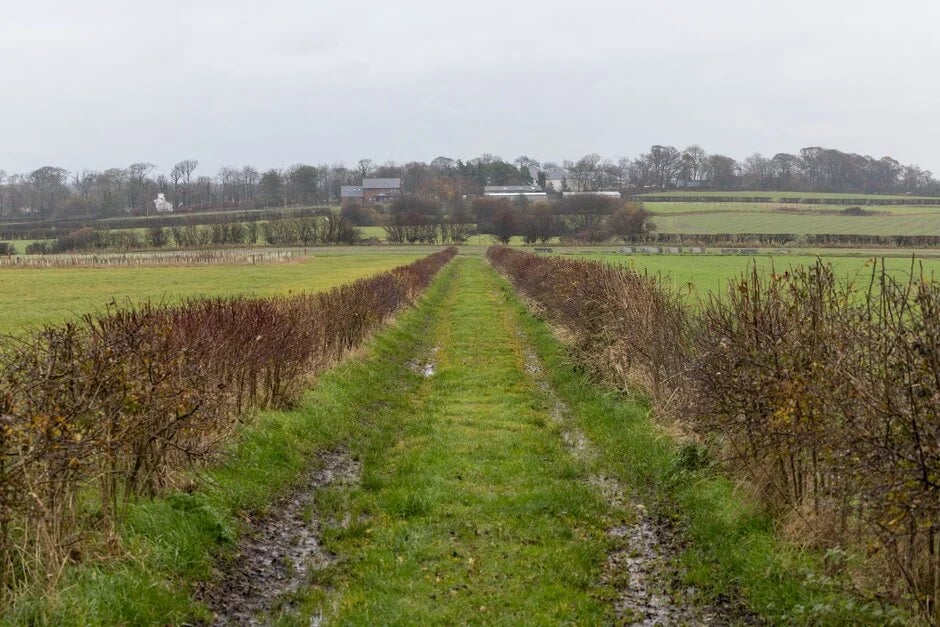
Located in the small village of Wrea Green, Lancashire, Blackburns Farm Nurseries and Wildlife Centre has, over the last few years, become a vital and unique haven where local wildlife can thrive. In 2024, the charity became the first farm in the UK to receive The Wildlife Trusts Biodiversity Benchmark, a standard that recognises businesses that have achieved excellence in land management practices for .
One year later, the organisation – which is also an RHS It’s Your Neighbourhood group – won an RHS Community Award for wildlife gardening. Its outstanding projects are enabling a better future for wildlife while bringing local people closer to nature.

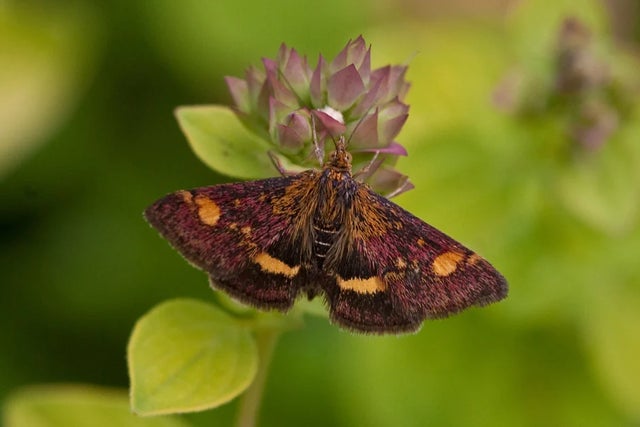
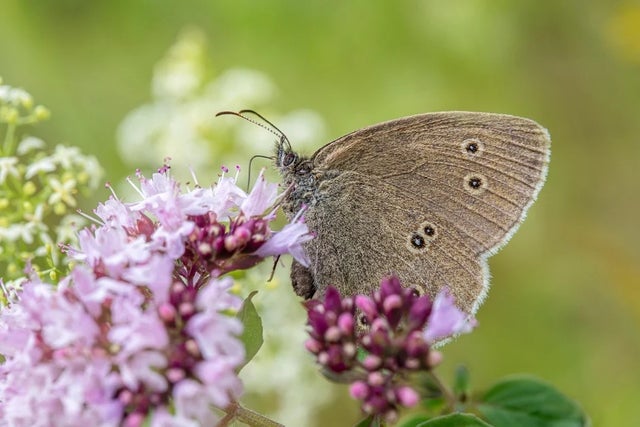
Supported by around 250 volunteers, Blackburns Farm is one of Wrea Green’s best-kept secrets. Regular surveys have confirmed the presence of a wide range of wildlife species in the area: 118 different moths, 16 butterflies, four amphibians and 83 beetles.
This remarkable concentration of wildlife has been made possible thanks to a series of biodiversity interventions carried out in recent years to develop new ecological habitats.
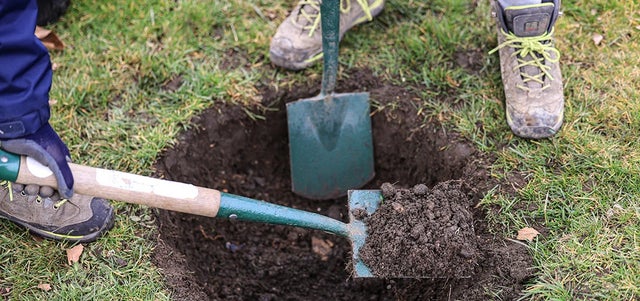
“Initially, the farm had six ponds,” said Farm Manager Kirsty Cropper, “but through extensive partnership work with Natural England, a further seven ponds were created in 2022.” There are also extensive areas, over 3km of new double hedgerows planted around the perimeter with a mixture of indigenous species and 1,500 trees introduced as part of the Wrea Green Remembrance Memorial Woods project.
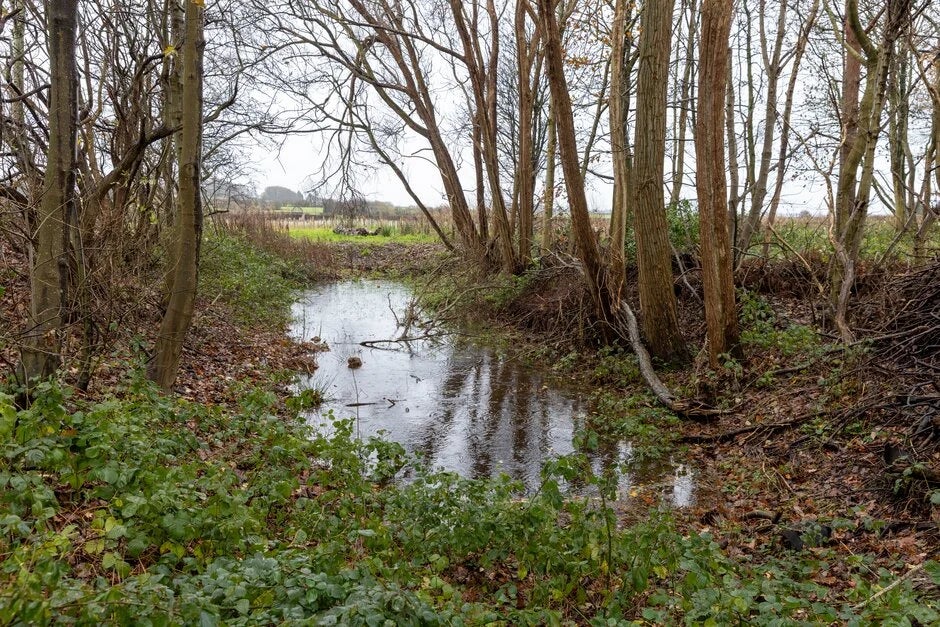
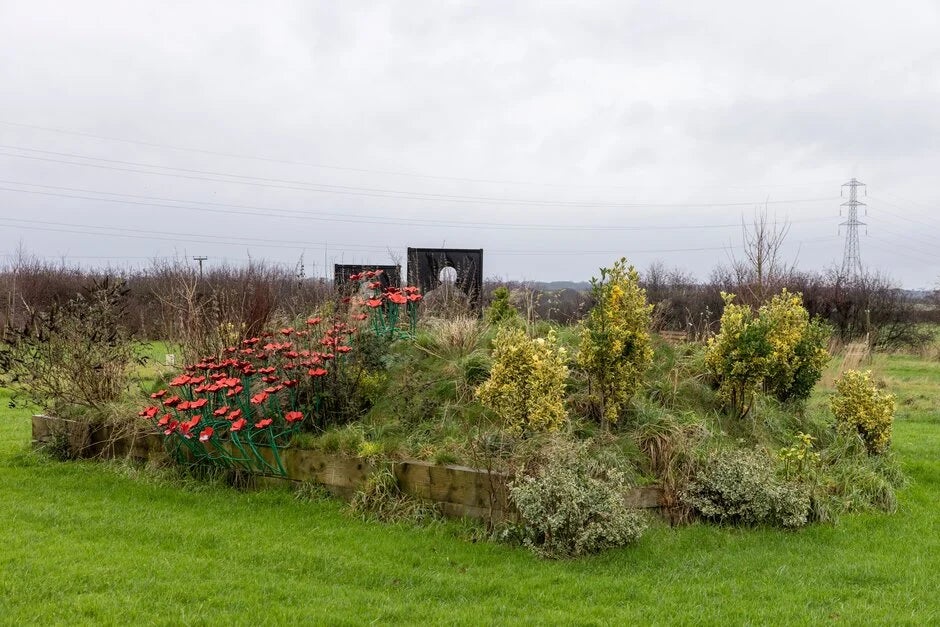
“There has been tremendous community engagement in this initiative, with over 800 families dedicating a tree to their loved ones across two fields on the farm,” explained Kirsty. The idea began during the Covid-19 pandemic, when the owner of Blackburns Farm, Andrew Bradshaw, wanted to give some green space back to the village.
Other biodiversity improvements include the development of an orchard with 500 lavender plants and 80 fruit trees. In March 2025, two new ‘species survival’ wetlands not accessible to humans were also established in partnership with the Ribble Rivers Trust.
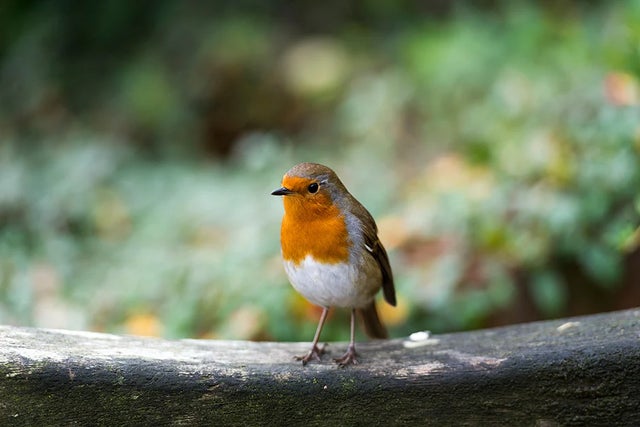
“Since then, over 75 bird species have been identified, from grey partridge and red kite to common redshank, oystercatcher, lapwing, yellowhammer, woodcock and tree sparrow, many of which are now frequent visitors.”
"Since the environmental improvements at the farm and the creation of the new wetlands, over 75 bird species have been identified."
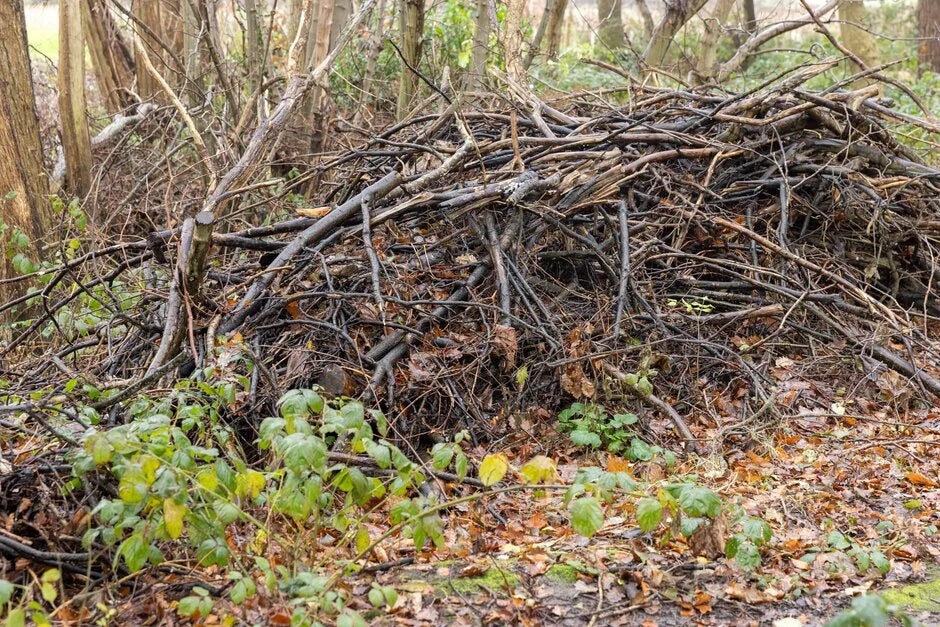
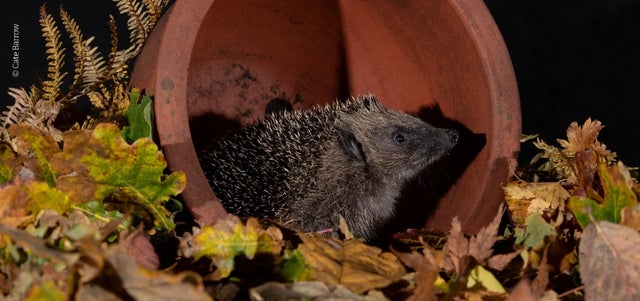
Seven mammal species, including brown hares and hedgehogs, have been recorded on site, and the farm now hosts a hedgehog rehoming programme. The construction of new attenuation ponds is set to deliver additional ecological benefits. “We hope to start seeing great crested newts establishing themselves here soon,” said Kirsty.

The Wrea Green community is closely involved in the work done at Blackburns Farm. In partnership with the University of Lancashire, the charity delivers green social prescribing activities, bat walks, ‘amphibian days’ and a wide range of other wellbeing workshops. Educational programmes such as forest school, cooking and commando-style adventures have also been developed with local schools, which use the farm as an alternative provision for their pupils.
“We aim to get more people outdoors, whether through fitness classes, high ropes, first aid training, theatre school or suicide awareness workshops,” said Kirsty. An Education Centre has been built to support and host these activities.
As part of RHS It’s Your Neighbourhood, volunteers also grow herbs and vegetables in a large polytunnel. The produce is donated weekly to the Kirkham and Wesham Foodbank and, when available, to a community café in Revoe, a deprived area of Blackpool.

Another key initiative is the natural flood prevention programme led by The Ribble Rivers Trust. Aimed to reduce flood risk in the surrounding area, the intervention is designed to store up to 2,300 cubic metres of excess water. Over time, it will also improve water quality, as wetlands act as natural filters, removing sediment, and pollutants.
“This will really benefit a significant number of local properties in the nearby village, which in recent years have been subjected to serious flooding,” Kirsty explained.
No prior experience is required to volunteer at Blackburns Farm. In 2025 alone, more than 1,000 volunteer hours were contributed by local individuals and organisations, including David Lloyd, British Aerospace Systems and Sustainable Energy First.
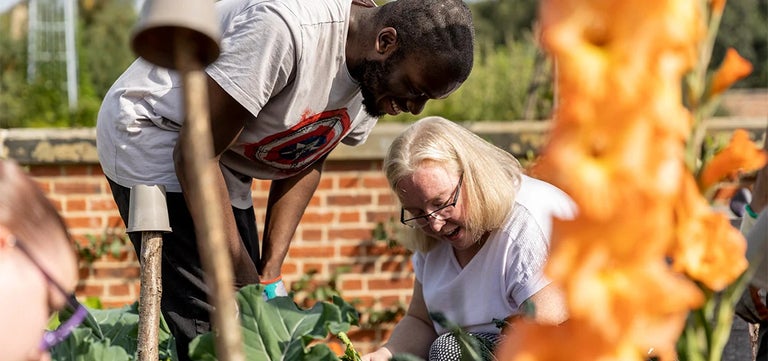
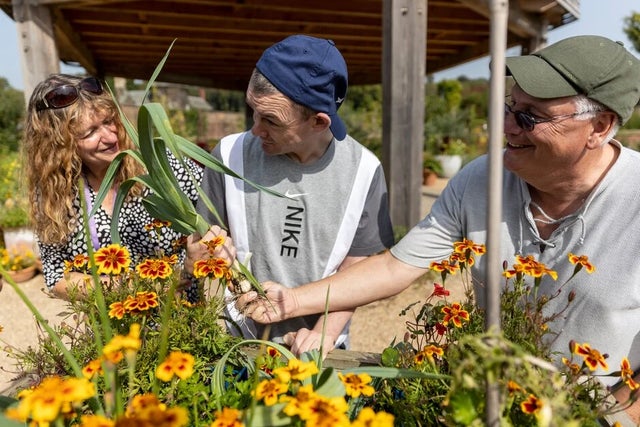
The farm also regularly welcomes volunteers from the Wesham Hospital Rehabilitation Unit, who come to learn new gardening skills, build social connections and improve their confidence and wellbeing.

“When we first started the partnership with the NHS Rehabilitation Unit, we weren’t sure how it would work,” said polytunnel manager Debbie Davies. “The volunteers had no gardening experience and had never grown anything from seed before. I explained what volunteering might involve and they began coming once a week. Now it means a great deal to them.”
Community gardening tips from Kirsty Cropper
Blackburns Farm Nurseries and Wildlife Centre is part of theRHS It’s Your Neighbourhood programme – supporting communities to green up local areas with friends and neighbours. Find out more and see if your community can get involved.