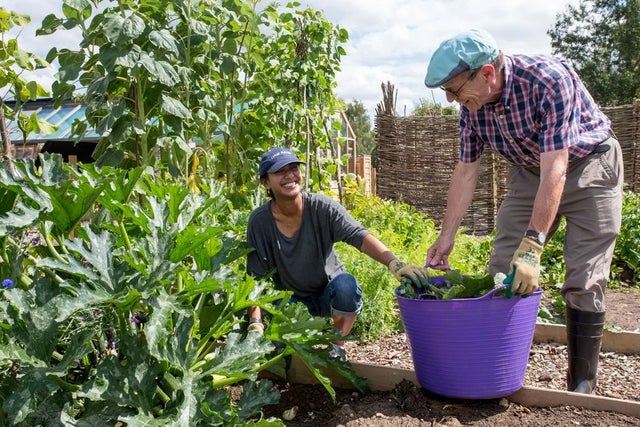
Why gardening makes us feel better – and how to make the most of it
Gardens can be great for the environment and for wildlife – and they’re good for people too, according to an increasing body of research

For the second year running, HMP Whatton in Nottinghamshire has been awarded the Windlesham Trophy. The other finalists for 2025 were HMP Littlehey, HMP North Sea Camp and HMP Thorn Cross
The RHS and the Prison Service have awarded the Windlesham Trophy 2025 to HMP Whatton, once again recognised as the best-kept prison garden in England and Wales after its triumph last year.
The annual award, which was introduced in 1983 by Lord Windlesham – then Chair of the Parole Board – celebrates horticultural success within prisons in England and Wales, while promoting the benefits of green space for wellbeing and rehabilitation. The 2025 trophy was presented by RHS President Keith Weed.

This year’s competition theme was sustainability and inspired a wide range of new developments across the site. A new glasshouse was constructed specifically for growing cucumbers, expanding the prison’s capacity for fresh produce. Nearby, raised beds were built using reclaimed bricks and wood, turning surplus materials into productive spaces.
Behind one of the prison’s existing glasshouses, the team created a water-capture system to reuse rainwater in the polytunnels, helping to reduce reliance on mains water and maintain crops more efficiently throughout the seasons.
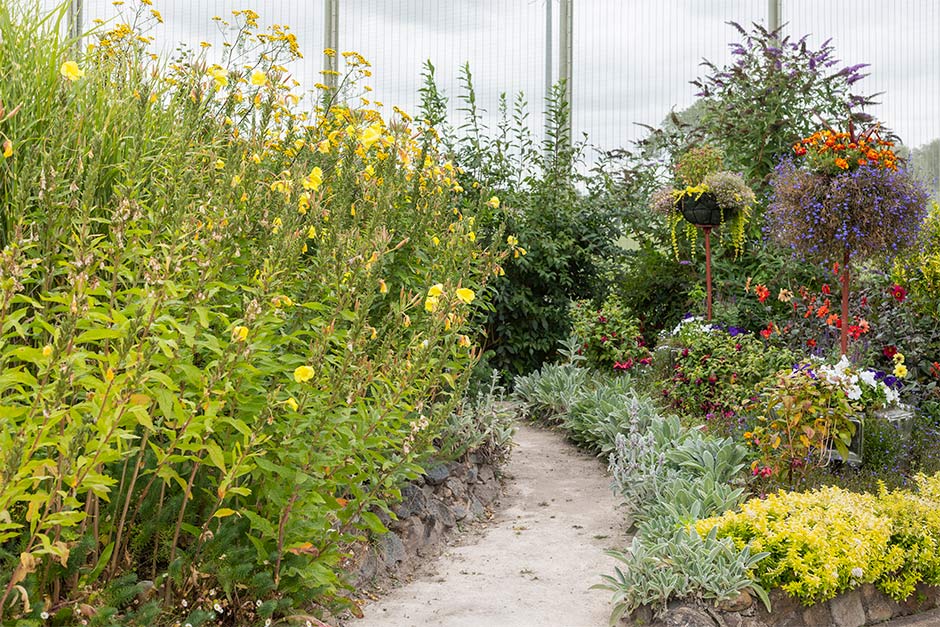
“The theme of sustainability was going to be a challenge, given that we already had so many sustainable projects in place, including the wormery and upcycling. The team had to think outside the box with colour schemes and plants to get a ‘wow factor’ in different areas of the prison,” said Caroline Vine, Governor at HMP Whatton. “Luckily, we have a talented team of both prisoners and staff who came up with ideas. Last year, the standard of the competition was high across all prisons, so everyone was determined to defend the title.”
"We had to think outside the box, introducing colour schemes and plants to get a ‘wow factor’ in different areas of the prison."
One of the standout features introduced at HMP Whatton this year is the ‘Sustainability from a Bygone Era’ area, which showcases historic machinery powered by human effort rather than chemicals. This area also includes a handmade wishing well built using materials salvaged from the prison yard.
Throughout the site, bird, bat and insect boxes crafted by prisoners in the workshop have been installed to support local wildlife. Natural pathways have been added to the wildlife areas and planted with blends to enhance . The team is also exploring the idea of introducing beehives to produce honey.

HMP Whatton works in partnership with local organisations such as Nottinghamshire Wildlife Trust to develop links with community-based specialists who can help improve gardening practices and enhance biodiversity.
Although the environment in a prison is mostly concrete, the sight of green spaces can support a connection with the outside world. “Many prisoners have confessed that working in the prison garden reminds them of being in a park. It provides them with areas for reflection and when they are out gardening, they don’t feel like they are in prison,” said Caroline.
In addition to supporting their wellbeing, this project also contributes to social rehabilitation, with some prisoners undertaking horticultural qualifications that equip them with skills they can use for life after prison.
"Gardening provides opportunities to gain new skills and qualifications that can support prisoners upon release."
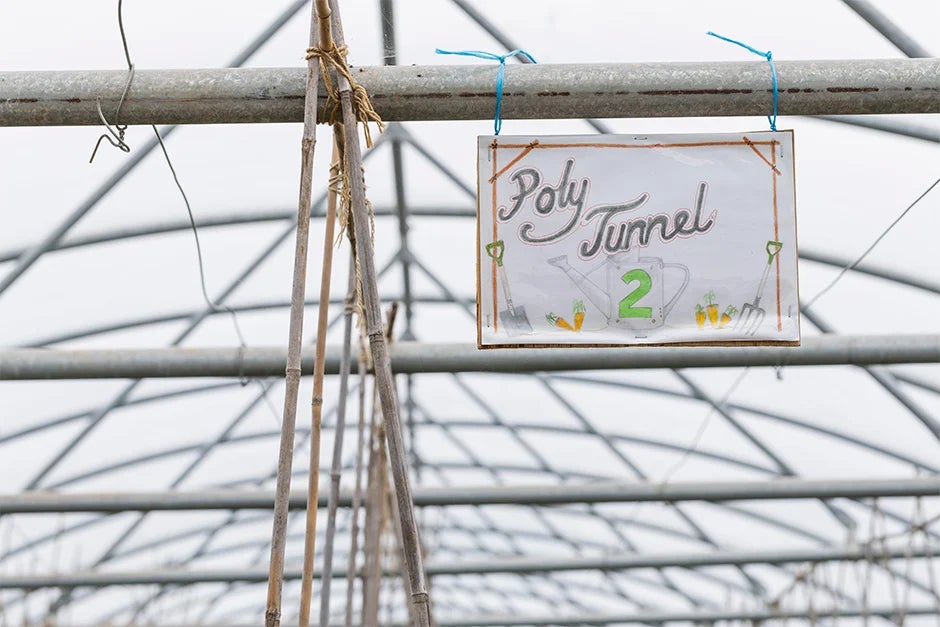
The gardening area at HMP Whatton spans two acres within a 30-acre site and includes nine polytunnels, two large greenhouses and a classroom for horticultural qualifications. Prisoners at the site grow flowers from seed, including dahlia, lobelia and fuchsias, and also propagate existing shrubs for future planting.
HMP Whatton also produces a variety of soft fruits and vegetables for the prison kitchen and staff mess. Around half a tonne of vegetables are harvested each season, with any surplus donated to other nearby prisons.
Recently, raised beds and mini allotments have been introduced to support retired prisoners and the prison is looking to develop more accessible opportunities for those with mobility or health-related conditions, ensuring that anyone who has an interest in growing is able to participate.

Staff guide prisoners in developing gardening skills to facilitate rehabilitation and promote successful reintegration into society after release. “Many are complete beginners, so you’re starting from the foundations,” said David Lewis, Garden Instructor at HMP Whatton.
“We put the emphasis on the prisoners. We discuss their ideas and if it can be done within budget, time and reason, then we try to do it. It gives them a sense of ownership, pride and purpose, and this is therapeutic for them. When they see the results of what they’ve planted, you can see the joy it brings. It’s good for their rehabilitation and mental health. Getting out into the fresh air and just focusing on what they’re doing in the gardens it’s mindful.”
Since the Windlesham Trophy began, HMP Whatton has won nine times, giving this year’s judges high expectations that were not disappointed. “The pride on prisoners and staff’s faces says it all for me,” commented Caroline. “The joint venture that led to their victory sees them working side by side, making it a very healthy competition – a win-win for all.”
"When the prisoners see the results of what they’ve planted, you can see the joy it brings. It’s good for their rehabilitation and mental health."
The other finalists for 2025 were HMP Littlehey, HMP North Sea Camp and HMP Thorn Cross. “It’s been difficult to choose a winner this year, as all four finalists demonstrated excellence in all respects. My congratulations to all involved,” said Jon Wheatley, Chair of Judges. “I was personally very impressed, as gardening in prison is of the highest standard. More importantly, it has an impact on lives in terms of learning, wellbeing, health and food quality, as well as on the environment and community cohesion.”
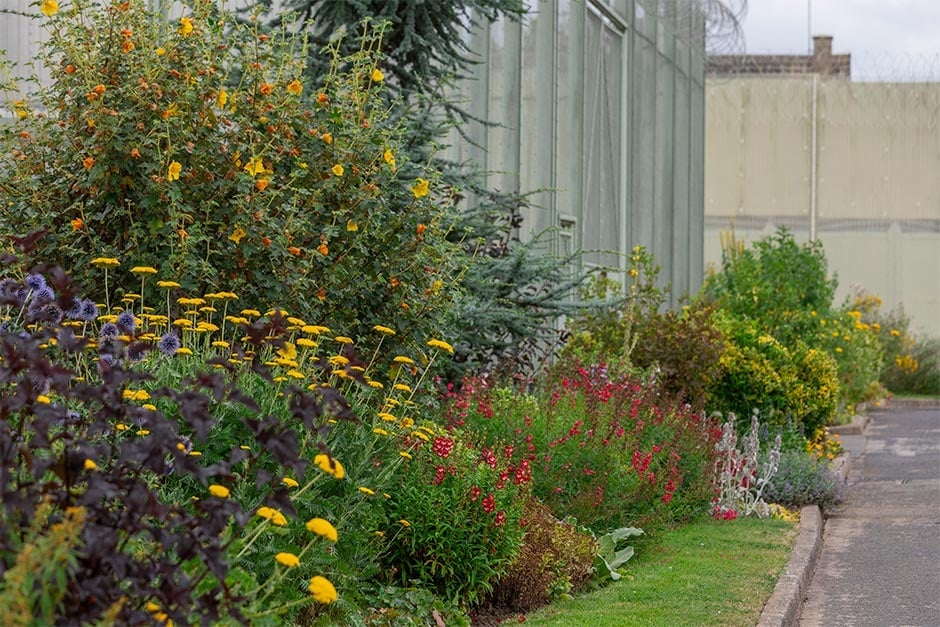
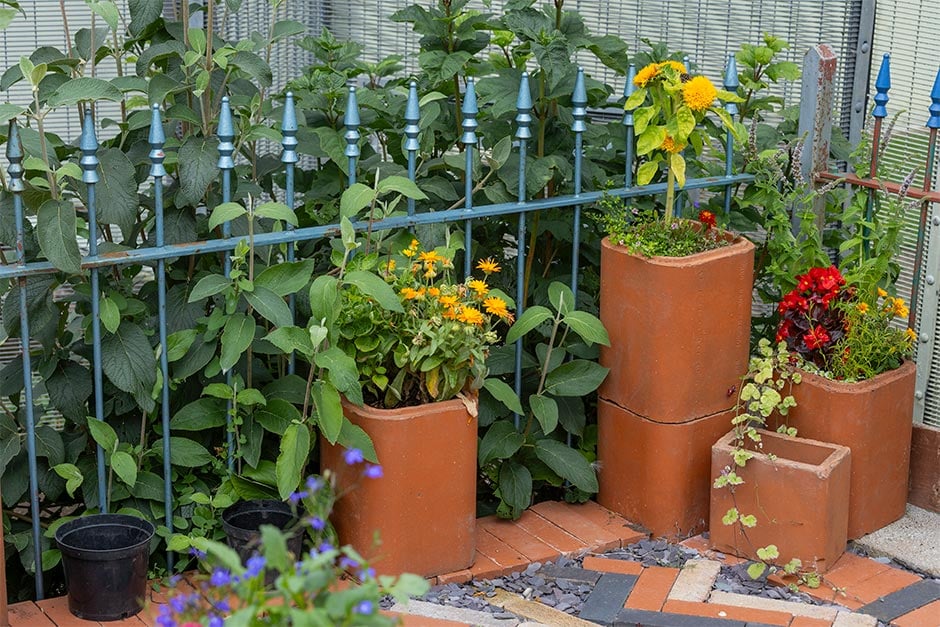
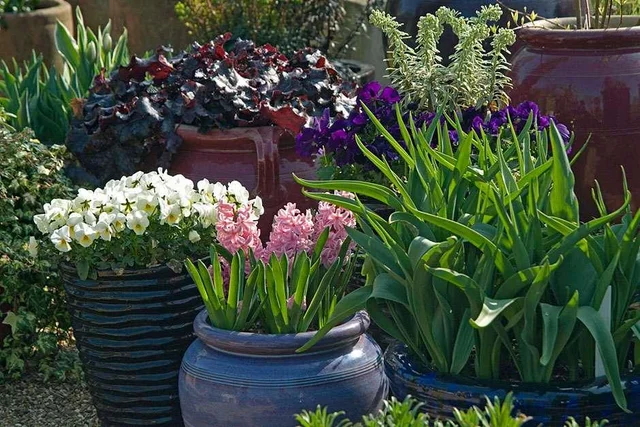
For other prisons looking to start gardening projects, Caroline recommends beginning with small projects and building up gradually, planting low-maintenance perennials and shrubs to create contrast. Containers are a good starting point and can be converted into mini-gardens.