Not the plant you're looking for? Search over 300,000 plants
Alpine RockeryBulbsConservatory GreenhouseHouseplants

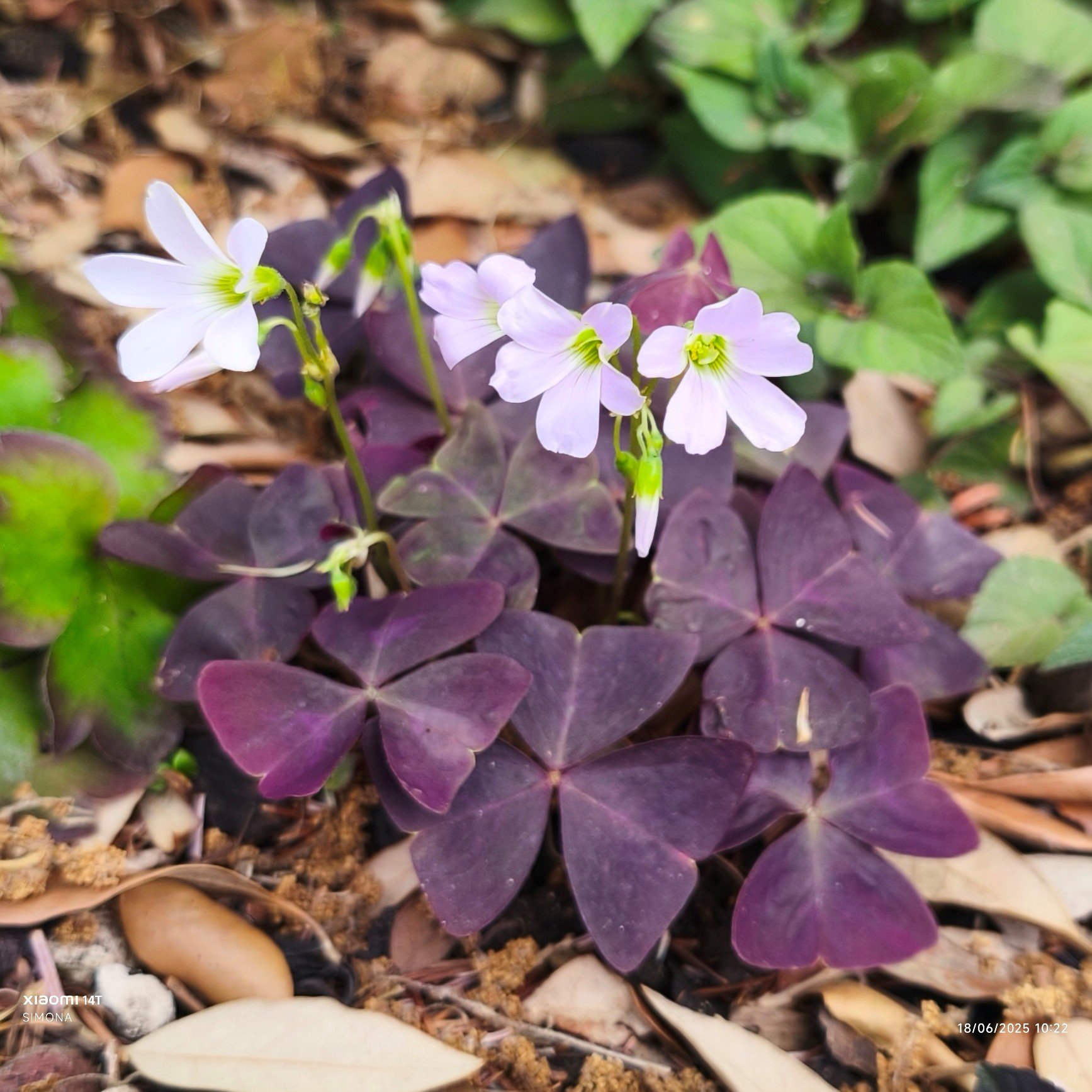
Oxalis triangularis subsp. triangularis

A clump-forming, bulbous perennial to around 20cm tall when in flower, with shamrock-shaped triangular leaves flushed with vibrant purple-maroon and wine-red which close at night. Small, trumpet-shaped pale pink-white flowers appear on slender stems in summer. Often grown as a houseplant but may be grown in sheltered gardens in warmer parts of the UK

Buy this plant
Size
Ultimate height
0.1–0.5 metres
Time to ultimate height
1–2 years
Ultimate spread
0.1–0.5 metres
Growing conditions
Loam
Sand
Moisture
Moist but well–drained
pH
Acid, Alkaline, Neutral
Colour & scent
StemFlowerFoliageFruit
Spring Purple Red
Summer Pink White Purple Red
Autumn Purple Red
Winter
Position
  • Partial shade
Aspect

East–facing or South–facing or West–facing

Exposure
Sheltered
Hardiness
H3
Botanical details
Family
Oxalidaceae
Native to GB / Ireland
No
Foliage
Deciduous
Habit
Clump forming
Genus

Oxalis can be annuals or perennials, with fibrous, bulbous or rhizomatous rootstocks, palmately divided leaves and funnel-shaped or bowl-shaped flowers that mostly close in dull weather and at night

Name status

Correct

How to grow

Cultivation

Can be grown year-round in a cool greenhouse or conservatory or a cool room indoors. Alternatively place outdoors in late spring to early autumn in partial shade. Bring indoors for the winter and provide cool, frost-free conditions. Requires a moisture retentive but well-drained soil mix of equal parts loam, leaf mould (or soil-less compost) and grit. Water moderately when in growth and apply a balanced liquid fertiliser monthly. Keep barely moist when dormant in the winter

Propagation

Propagate by seed or division

Suggested planting locations and garden types
  • City and courtyard gardens
  • Cottage and informal garden
  • hanging basket
  • Houseplants
  • Mediterranean climate plants
  • Patio and container plants
  • Rock garden
  • Conservatory and greenhouse
Pruning

No pruning required

Pests

May be susceptible to slugs and snails

Diseases

May be susceptible to rust diseases

Get involved

The Royal Horticultural Society is the UK’s leading gardening charity. We aim to enrich everyone’s life through plants, and make the UK a greener and more beautiful place.