Not the plant you're looking for? Search over 300,000 plants
Herbaceous Perennial
Size
Ultimate height
0.1–0.5 metresTime to ultimate height
2–5 yearsUltimate spread
0.1–0.5 metresGrowing conditions
Clay
Loam
Sand
Moisture
Moist but well–drained, Well–drainedpH
Acid, Alkaline, NeutralColour & scent
| Stem | Flower | Foliage | Fruit | |
| Spring | Green | |||
|---|---|---|---|---|
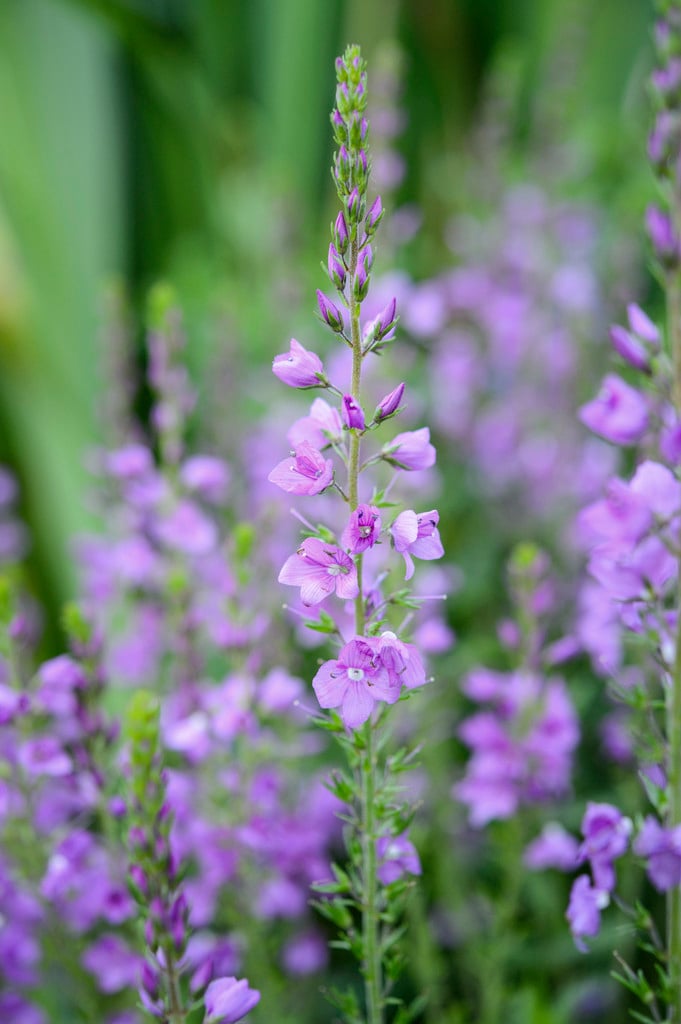
| Summer | Purple Pink | Green | ||
| Autumn | Green | |||
| Winter |
Position
- Full sun
- Partial shade
Aspect
South–facing or West–facing or East–facing
Exposure
Exposed or ShelteredDrought resistance
Yes Hardiness
H6Botanical details
- Family
- Plantaginaceae
- Native to GB / Ireland
- No
- Foliage
- Deciduous
- Habit
- Bushy
- Genus
Veronica can be annuals, perennials or sub-shrubs with paired leaves and small flowers usually in terminal or axillary racemes or spikes
- Name status
Accepted
How to grow
Cultivation
Grow in a moderately fertile, moist but well-drained soil in full sun or partial shade
Propagation
Propagate by division
Suggested planting locations and garden types
- City and courtyard gardens
- Cottage and informal garden
- Patio and container plants
- Rock garden
- Low Maintenance
- Flower borders and beds
Pruning
Deadhead regularly
Pests
May be susceptible to aphids
Diseases
May be susceptible to downy mildews, fungal leaf spot, fungal rot, Phytophthora and sometimes honey fungus
Get involved
The Royal Horticultural Society is the UK’s leading gardening charity. We aim to enrich everyone’s life through plants, and make the UK a greener and more beautiful place.