Not the plant you're looking for? Search over 300,000 plants
Herbaceous Perennial

Aster asperulus Wall. ex Nees
  • RHS Plants for pollinators

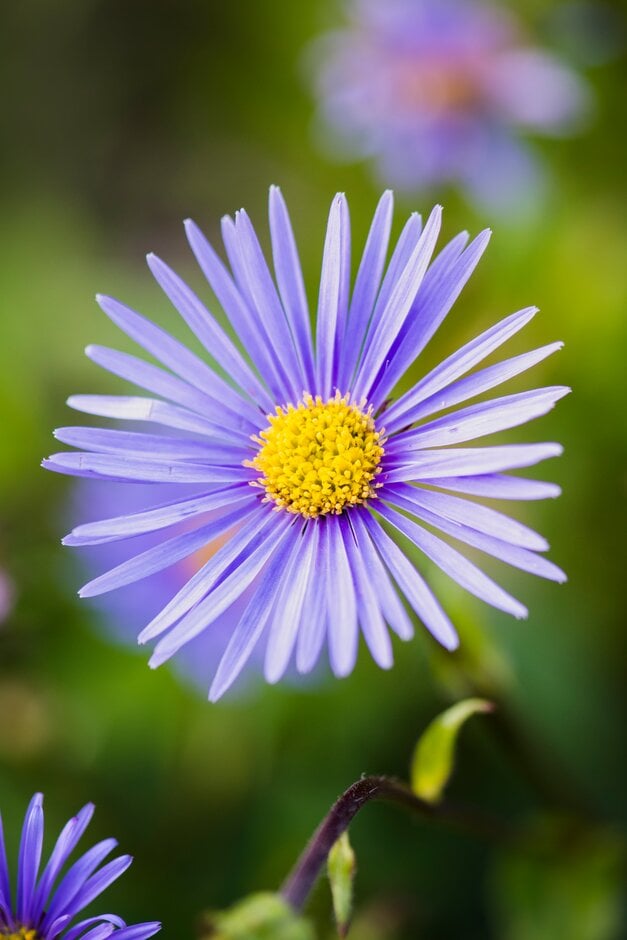
Forms a compact, bushy mound of heart-shaped, serrated foliage, topped with clusters of large, blue-purple, daisy flowers with yellow centres in late summer and early autumn

Size
Ultimate height
0.1–0.5 metres
Time to ultimate height
2–5 years
Ultimate spread
0.1–0.5 metres
Growing conditions
Chalk
Loam
Sand
Moisture
Moist but well–drained, Well–drained
pH
Alkaline, Neutral
Colour & scent
StemFlowerFoliageFruit
Spring Green
Summer Purple Yellow Green
Autumn Purple Yellow Green
Winter
Position
  • Full sun
Aspect

South–facing or West–facing

Exposure
Exposed or Sheltered
Hardiness
H6
Botanical details
Family
Asteraceae
Native to GB / Ireland
No
Foliage
Deciduous
Habit
Bushy, Clump forming
Genus

Aster can be perennials, annuals or subshrubs, mostly with narrow leaves, and solitary or clustered, daisy-like flowers

Name status

Correct

How to grow

Cultivation

Grows best in full sun in a well-drained, alkaline soil with moisture in the spring and summer

Propagation

Propagate by seed or by division

Suggested planting locations and garden types
  • City and courtyard gardens
  • Coastal
  • Cottage and informal garden
  • Flower borders and beds
Pruning

Cut back in late autumn

Pests

May be susceptible to eelworms, aphids, slugs and snails

Diseases

May be susceptible to fusarium wilt, a leaf spot and grey mould

Get involved

The Royal Horticultural Society is the UK’s leading gardening charity. We aim to enrich everyone’s life through plants, and make the UK a greener and more beautiful place.