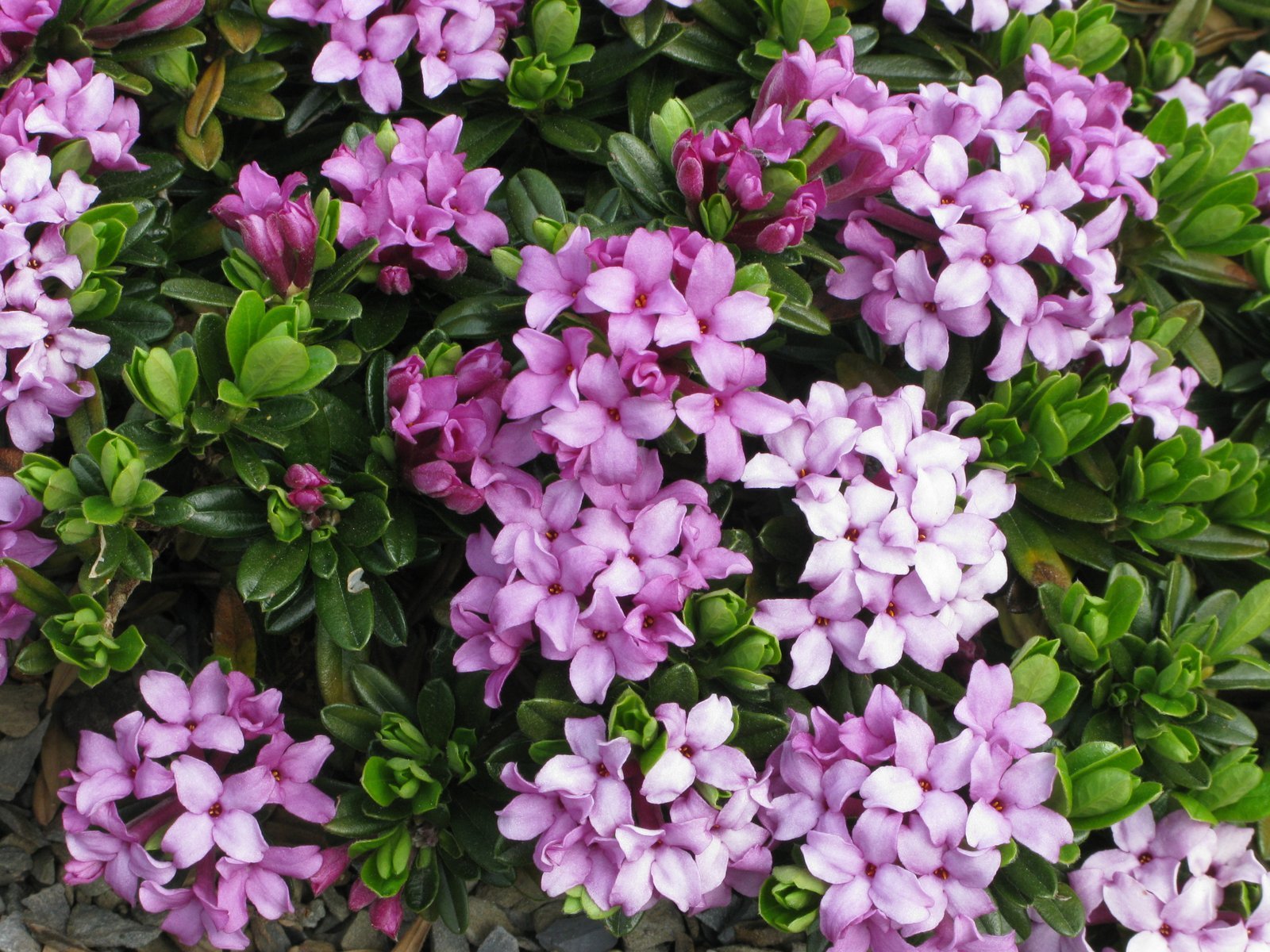
Daphne × susannae 'Cheriton'

RHS Plant Profile
daphne 'Cheriton'
daphne 'Cheriton' RHS / Janet Cubey

Synonyms

Daphne 'Cheriton'

Award of Garden Merit
Shrubs

A slow-growing cultivar that forms a low, evergreen mound with scented, lavender-pink flowers for several months in summer. It reaches a height of around 50cm and can have a spread of 60-90cm

Position

Full sun, Partial shade

Soil Types

Chalk, Loam, Sand

Max Height

0.1-0.5 metres

Max Spread

0.5-1 metres

Size

Time to Maturity
10–20 years
Max Spread
0.5-1 metres
Max Height
0.1-0.5 metres

Growing Conditions

Chalk Loam Sand
Moisture
Well–drained
pH
Neutral

Position

Full sun Partial shade
Aspect
East–facing or South–facing or West–facing
Exposure
Sheltered
Hardiness
H5

Colour & Scent

Fragrance Flower
Season Stem Flower Foliage Fruit
Spring
Summer
Autumn
Winter

Botanical Details

Family
Thymelaeaceae
Native to GB/Ireland
No
Foliage
Evergreen
Habit
Bushy
Potentially harmful
TOXIC if eatenskin irritant. Wear gloves and other protective equipment when handling TOXIC to pets - see the HTA guide to potentially harmful plants for further information and useful contact numbers
Genus
Daphne can be deciduous or evergreen shrubs with small, usually very fragrant tubular, 4-lobed flowers, often followed by colourful berries
Name Status
Accepted

How to Grow

Cultivation

Grow in well-drained, but not dry soil, in sun. Raised beds and troughs are ideal. Hardy in all but the coldest locations. Further daphne cultivation advice

Propagation

Take nodal stem-tip greenwood and semi-ripe cuttings just as the base begins to firm up. Hormone rooting compound, a free-draining compost and bottom heat of 15°C will improve rooting. Layering of shoots take a year to become well rooted. May also be propagated by grafting

Suggested planting locations and garden types

  • Gravel garden
  • Patio and container plants
  • Rock garden

Pruning

Pruning group 1 or pruning group 8; keep pruning to a minimum

Pests

May be susceptible to aphids

Diseases

May be susceptible to honey fungus (rarely), phytophthora root rot, fungal leaf spot and virus diseases