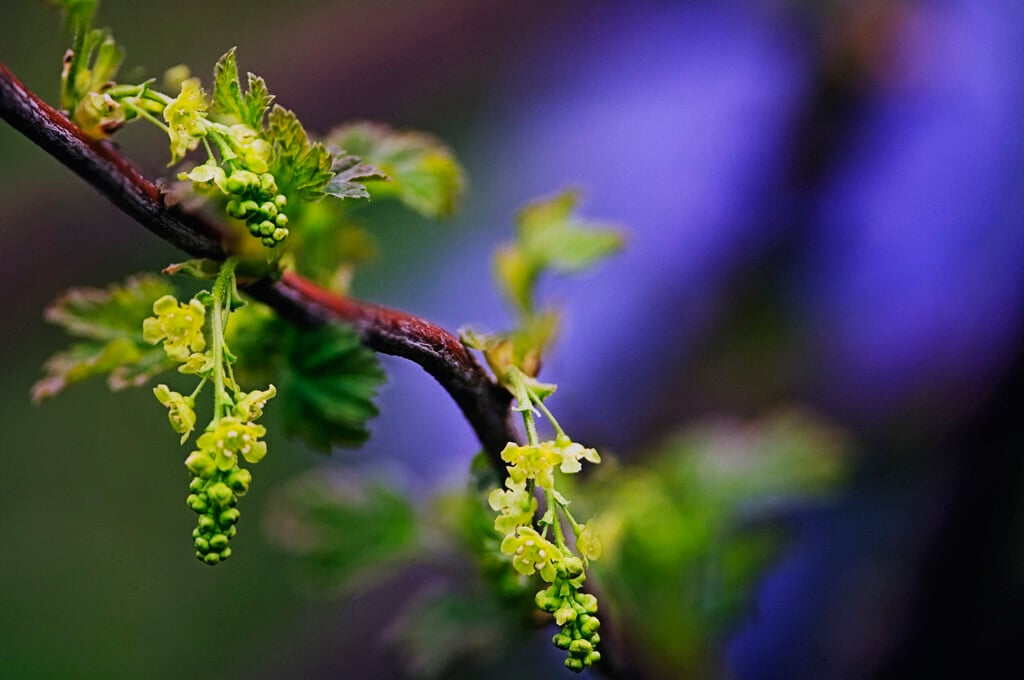
Ribes petraeum

RHS Plant Profile
rock redcurrant
rock redcurrant visionspictures.com
Fruit Edible Shrubs

A deciduous shrub, known as the 'rock redcurrant' which reaches a height of around 1.8m with green foliage. Clusters of pretty red flowers in spring are followed by glossy red berries which are acidic in flavour but good for jams and preserves. The fruits do contain a high quantity of seeds

Position

Full sun

Soil Types

Chalk, Clay, Loam, Sand

Max Height

1.5-2.5 metres

Max Spread

1-1.5 metres

Size

Time to Maturity
2–5 years
Max Spread
1-1.5 metres
Max Height
1.5-2.5 metres

Growing Conditions

Chalk Clay Loam Sand
Moisture
Moist but well–drained
pH
Acid or Alkaline or Neutral

Position

Full sun
Aspect
South–facing
Exposure
Sheltered
Hardiness
H6

Colour & Scent

Season Stem Flower Foliage Fruit
Spring
Summer
Autumn
Winter

Botanical Details

Family
Grossulariaceae
Native to GB/Ireland
No
Foliage
Deciduous
Habit
Bushy, Columnar upright
Genus
Ribes can be deciduous or evergreen shrubs, sometimes spiny, with simple, usually palmately lobed leaves and small tubular or bell-shaped, solitary or racemose flowers borne in spring or summer, followed by juicy, sometimes edible berries
Name Status
Correct
Plant Range
Europe

How to Grow

Cultivation

Redcurrants can be planted in the ground or in a large container in full sun in a sheltered location. See redcurrant cultivation for further advice

Propagation

Propagate by hardwood cuttings from young plants to avoid disease

Suggested planting locations and garden types

  • City and courtyard gardens
  • Cottage and informal garden
  • Patio and container plants
  • Edible fruit
  • Flower borders and beds

Pruning

Prune twice yearly in summer and winter

Pests

May be susceptible to aphids, gooseberry sawfly, spotted wing drosophila and currant scale

Diseases

May be susceptible to American gooseberry mildew, grey moulds and coral spot