Hepatica transsilvanica 'Buis'
large blue hepatica 'Buis'
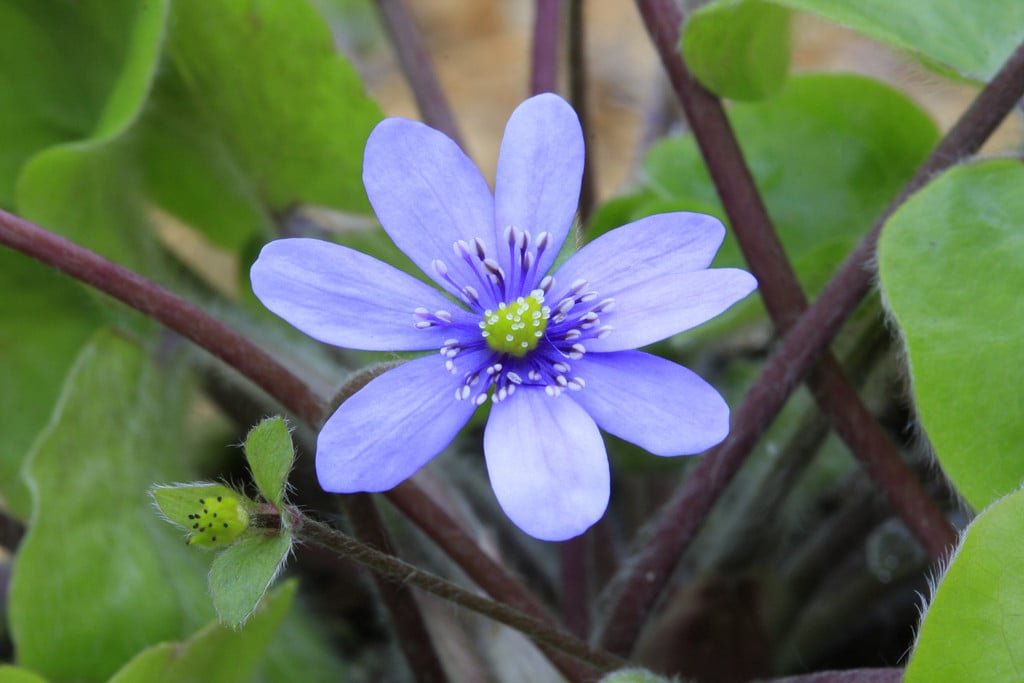
A slowly-spreading, semi-evergreen perennial to 15cm tall with pale to mid-green, three-lobed and scallop-edged leaves. Single, clear blue, bowl shaped flowers, each up to 4cm in diameter,are borne in early spring
Buy this plant
Size
Ultimate height
0.1–0.5 metresTime to ultimate height
5–10 yearsUltimate spread
0.1–0.5 metresGrowing conditions
Moisture
Moist but well–drainedpH
Alkaline, NeutralColour & scent
| Stem | Flower | Foliage | Fruit | |
| Spring | Blue | Green | ||
|---|---|---|---|---|
| Summer | Green | |||
| Autumn | Green | |||
| Winter | Green |
Position
- Partial shade
Aspect
South–facing or East–facing or West–facing
Exposure
Exposed or Sheltered Hardiness
H5Botanical details
- Family
- Ranunculaceae
- Native to GB / Ireland
- No
- Foliage
- Semi evergreen
- Habit
- Bushy
- Genus
Hepatica are small, clump-forming perennials with 3 to 5-lobed, semi-evergreen leaves and anemone-like, blue, violet, pink or white flowers in early spring
- Name status
Accepted
How to grow
Cultivation
Grows well in humus-rich soils and thrives in heavier soils. Top dress annually in autumn with leaf mould. Resent root disturbance
Propagation
Propagate by seed sown in an open frame, as soon as ripe, or by division in spring. Transplants and divisions are slow to establish
Suggested planting locations and garden types
- Rock garden
- City and courtyard gardens
- Cottage and informal garden
- Patio and container plants
- Flower borders and beds
- Garden edging
- Underplanting of roses and shrubs
Pruning
No pruning required
Pests
Diseases
Generally disease-free
Get involved
The Royal Horticultural Society is the UK’s leading gardening charity. We aim to enrich everyone’s life through plants, and make the UK a greener and more beautiful place.