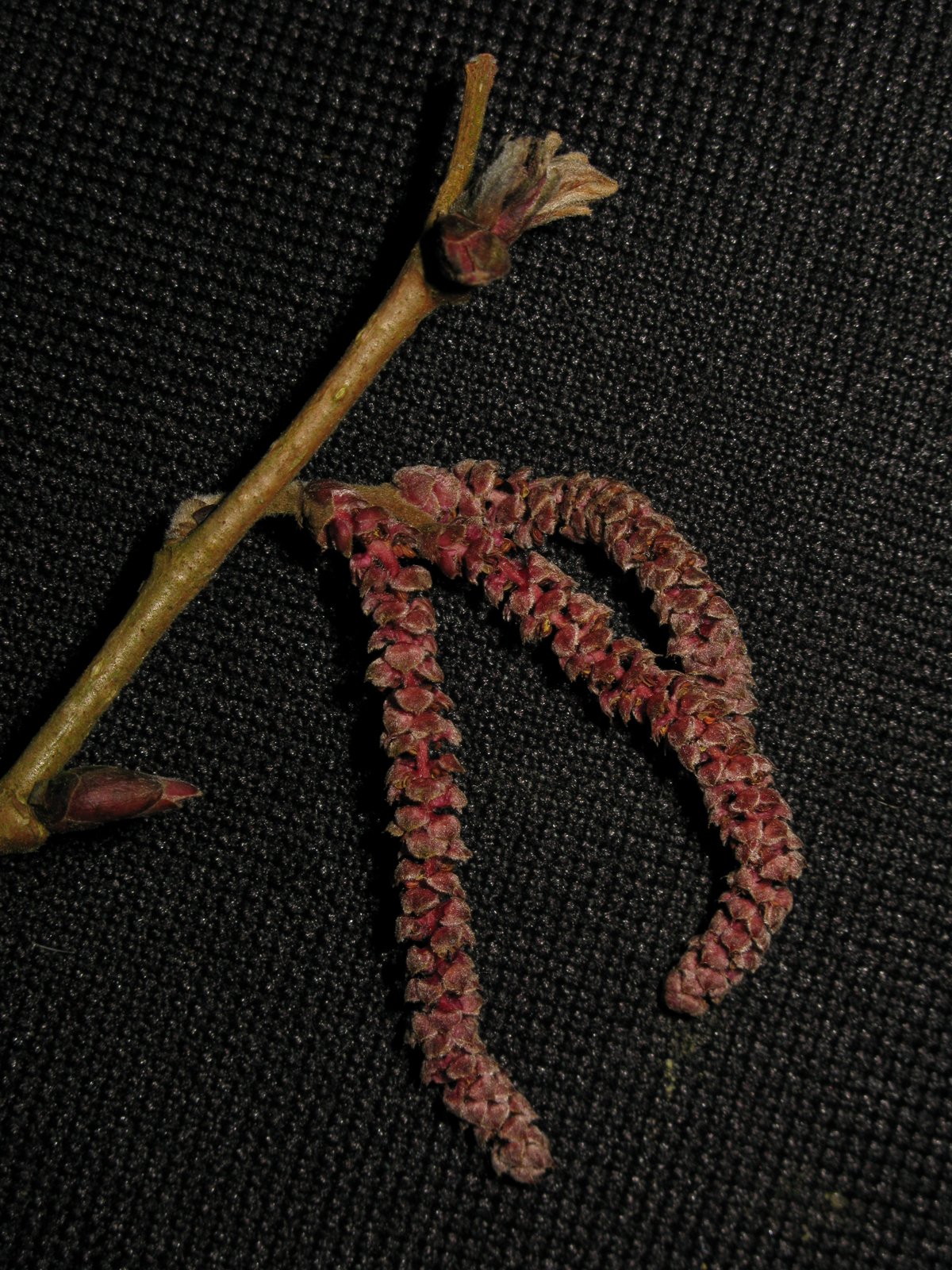
Corylus 'Te Terra Red'

RHS Plant Profile
hazel 'Te Terra Red'
hazel 'Te Terra Red' Janet Cubey

Synonyms

Corylus colurna 'Te Terra Red'

Trees

Has leaves that are red in spring, turning purple and green until leaf fall. Mature trees may reach 6m in 20 years and have a pleasingly-textured bark. Red catkins are borne in late winter. The clusters of nuts in the autumn are also red-tinged and held in spiky, ornamental cases

Position

Full sun

Soil Types

Chalk, Clay, Loam, Sand

Max Height

4-8 metres

Max Spread

4-8 metres

Size

Time to Maturity
20–50 years
Max Spread
4-8 metres
Max Height
4-8 metres

Growing Conditions

Chalk Clay Loam Sand
Moisture
Moist but well–drained or Well–drained
pH
Acid or Alkaline or Neutral

Position

Full sun
Aspect
South–facing or West–facing or East–facing
Exposure
Exposed or Sheltered
Hardiness
H6

Colour & Scent

Season Stem Flower Foliage Fruit
Spring
Summer
Autumn
Winter

Botanical Details

Family
Betulaceae
Native to GB/Ireland
No
Foliage
Deciduous
Habit
Columnar upright
Genus
Corylus are deciduous trees and large shrubs with broad leaves, and showy male catkins in early spring, followed by edible nuts
Name Status
Accepted

How to Grow

Cultivation

Grow in well-drained soil in sun

Propagation

Propagate by grafting

Suggested planting locations and garden types

  • Architectural
  • Low Maintenance

Pruning

Only requires minimal pruning to aid shape

Pests

May be susceptible to caterpillars, gall mites, aphids and sawflies. Squirrels like to feed on the nuts

Diseases

May be susceptible to honey fungus, silver leaf and powdery mildews