
Size
Ultimate height
1–1.5 metresTime to ultimate height
2–5 yearsUltimate spread
0–0.1 metreGrowing conditions
Moisture
Moist but well–drained, Well–drainedpH
Acid, Alkaline, NeutralColour & scent
| Stem | Flower | Foliage | Fruit | |
| Spring | Purple | Green | ||
|---|---|---|---|---|
| Summer | ||||
| Autumn | ||||
| Winter |
Position
- Full sun
Aspect
South–facing or West–facing
Exposure
Sheltered Hardiness
H4Botanical details
- Family
- Amaryllidaceae
- Native to GB / Ireland
- No
- Foliage
- Deciduous
- Habit
- Clump forming
- Genus
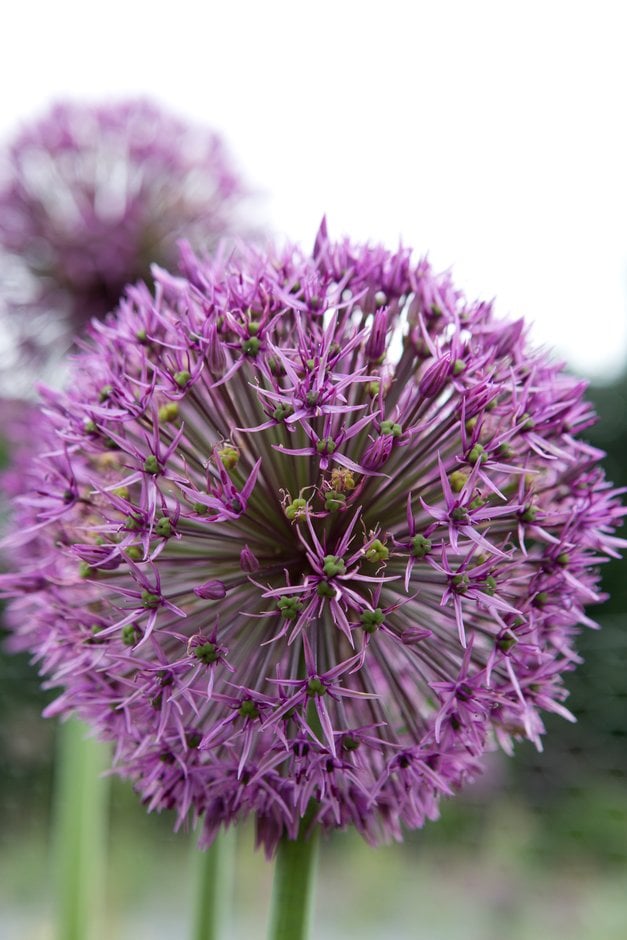
Allium are bulbous herbaceous perennials with a strong onion or garlic scent, linear, strap-shaped or cylindrical basal leaves and star-shaped or bell-shaped flowers in an umbel on a leafless stem
- Name status
Accepted
How to grow
Cultivation
Grow in fertile, well-drained soil. Add grit to clay soils to improve drainage. Care should be taken in colder regions to mulch or plant in pots and move to a frost-free location See allium cultivation
Propagation
Propagate by division: once flowering is over and leaves have died down, lift the bulbs, detach any offsets, and plant them in their final positions or grow on first in gritty compost
Suggested planting locations and garden types
- City and courtyard gardens
- Cottage and informal garden
- Gravel garden
- Patio and container plants
- Wildlife gardens
- Cut flowers
- Flower borders and beds
Pruning
No pruning required
Pests
Generally pest-free
Diseases
May be susceptible to onion white rot and downy mildews
Get involved
The Royal Horticultural Society is the UK’s leading gardening charity. We aim to enrich everyone’s life through plants, and make the UK a greener and more beautiful place.