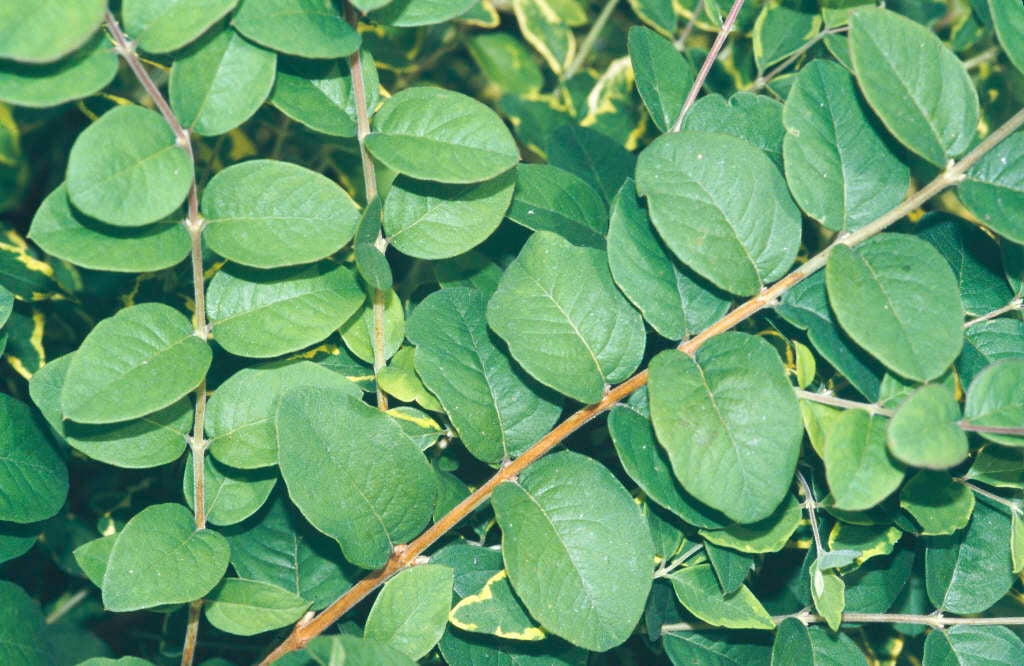
Symphoricarpos orbiculatus

RHS Plant Profile
coralberry
coralberry RHS 2002

Other common names

coral berry, Indian currant

Synonyms

Symphoricarpos vulgaris

Shrubs

A bushy deciduous shrub with dark green, ovate leaves and small white or pinkish flowers in late summer, followed by dark purplish fruit

Position

Full shade, Full sun, Partial shade

Soil Types

Chalk, Clay, Loam, Sand

Max Height

1-1.5 metres

Max Spread

1-1.5 metres

Size

Time to Maturity
5–10 years
Max Spread
1-1.5 metres
Max Height
1-1.5 metres

Growing Conditions

Chalk Clay Loam Sand
Moisture
Moist but well–drained or Poorly–drained or Well–drained
pH
Acid or Alkaline or Neutral

Position

Full shade Full sun Partial shade
Aspect
South–facing or North–facing or West–facing or East–facing
Exposure
Exposed or Sheltered
Hardiness
H6
Drought Resistance
Yes

Colour & Scent

Season Stem Flower Foliage Fruit
Spring
Summer
Autumn
Winter

Botanical Details

Family
Caprifoliaceae
Native to GB/Ireland
No
Foliage
Deciduous
Habit
Bushy
Potentially harmful
Harmful if eaten. Wear gloves and other protective equipment when handling
Genus
Symphoricarpos are twiggy deciduous shrubs, sometimes suckering, with small, simple leaves and tiny bell-shaped pink or white flowers, followed by juicy white pink or purple berries
Name Status
Correct
Plant Range
United States

How to Grow

Cultivation

Easy to grow in most reasonably moist, fertile soil. Tolerant of pollution and all but the most extreme conditions. Fruits most freely after a hot summer

Propagation

Propagate by softwood cuttings in summer or hardwood cuttings in autumn. Rooted suckers can be transplanted in autumn

Suggested planting locations and garden types

  • Low Maintenance
  • Hedging and screens
  • Banks and slopes

Pests

May be susceptible to aphids

Diseases

May be susceptible to fungal leaf spots, powdery mildews, rust diseases, stem galls and honey fungus (rarely)