Size
Ultimate height
0.1–0.5 metresTime to ultimate height
2–5 yearsUltimate spread
0.1–0.5 metresGrowing conditions
Moisture
Moist but well–drainedpH
Acid, Alkaline, NeutralColour & scent
| Stem | Flower | Foliage | Fruit | |
| Spring | White Purple | Green | ||
|---|---|---|---|---|
| Summer | Green | |||
| Autumn | ||||
| Winter |
Position
- Partial shade
Aspect
East–facing or North–facing or West–facing
Exposure
Exposed or Sheltered Hardiness
H7Botanical details
- Family
- Ranunculaceae
- Native to GB / Ireland
- No
- Foliage
- Deciduous
- Habit
- Matforming, Trailing
- Genus
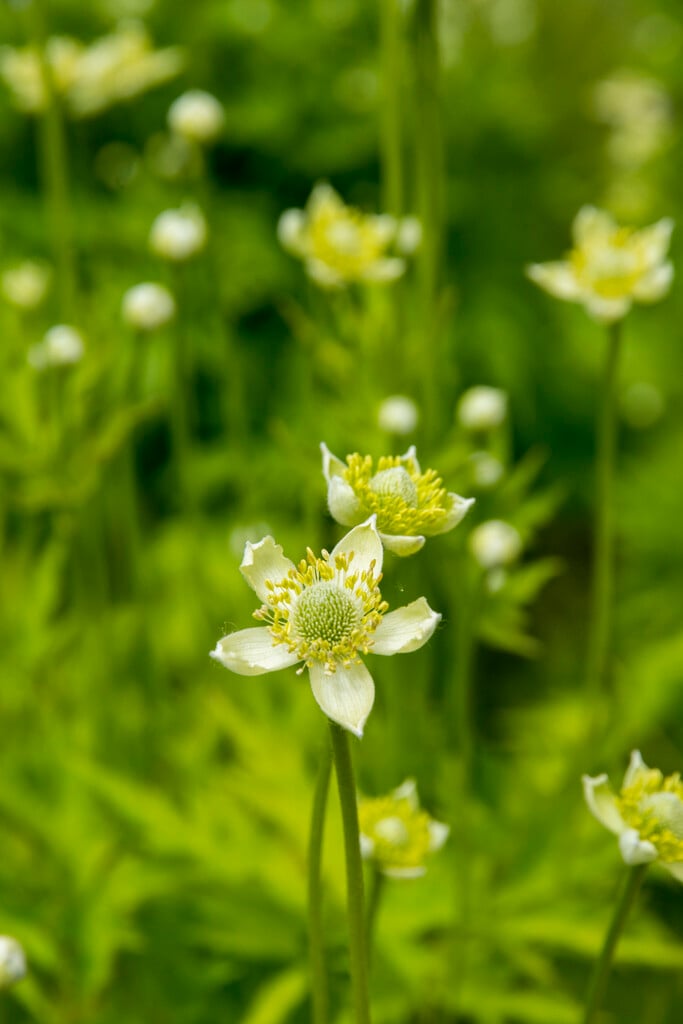
Anemone are herbaceous perennials with fibrous, rhizomatous or tuberous rootstocks, palmately lobed leaves and saucer-shaped, usually 5-petalled flowers
- Name status
Correct
How to grow
Cultivation
Grow in moist but well-drained humus-rich soil in part shade. Drier conditions are tolerated when dormant in summer. See anemone cultivation
Propagation
Propagate by seed, sowing them in containers in a cold frame when ripe or propagate by division of the rhizomes when the foliage has died back, in late spring or early summer
Suggested planting locations and garden types
- City and courtyard gardens
- Cottage and informal garden
- Rock garden
- Flower borders and beds
- Underplanting of roses and shrubs
Pruning
No pruning required
Pests
May be susceptible to leaf eelworms and damage from caterpillars and slugs
Diseases
May be susceptible to Powdery mildews
Get involved
The Royal Horticultural Society is the UK’s leading gardening charity. We aim to enrich everyone’s life through plants, and make the UK a greener and more beautiful place.
