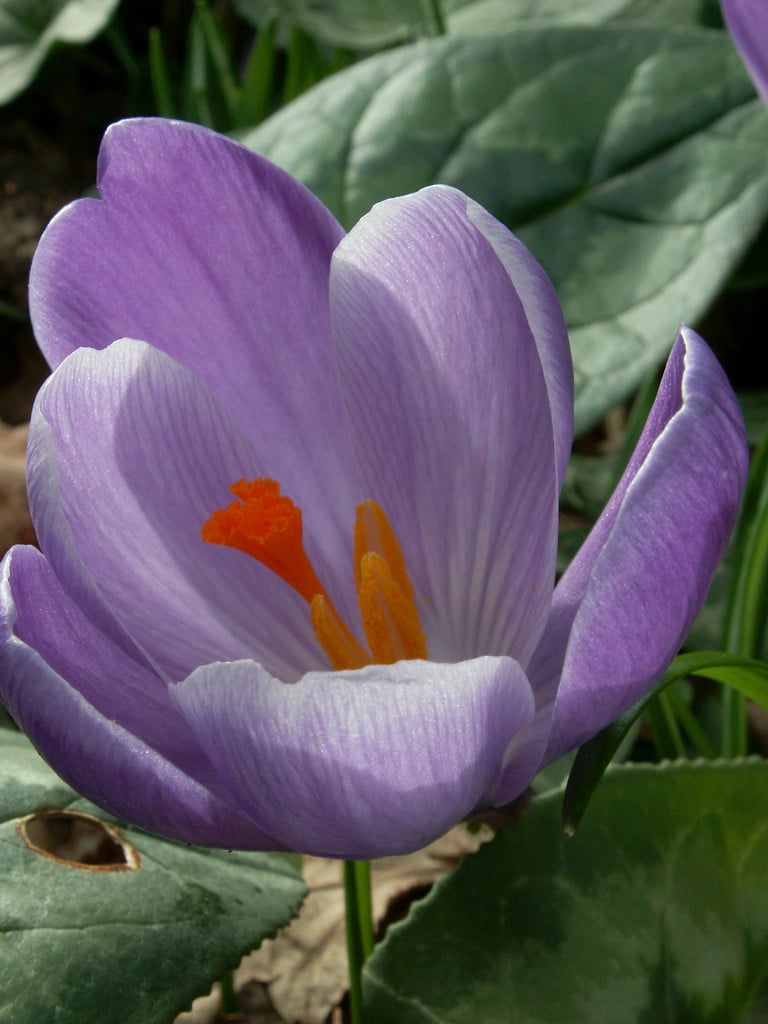
Crocus 'Grand Maître'

RHS Plant Profile
crocus 'Grand Maître'
crocus 'Grand Maître' RHS

Synonyms

Crocus × cultorum 'Grand Maître'
Crocus vernus 'Grand Maître'

Plants for pollinators
Bulbs

A cultivar that produces light blue flowers, with orange stamens and stigma, in early spring

Position

Full sun

Soil Types

Chalk, Clay, Loam, Sand

Max Height

Up to 10 cm

Max Spread

0-0.1 metre

Size

Time to Maturity
2–5 years
Max Spread
0-0.1 metre
Max Height
Up to 10 cm

Growing Conditions

Chalk Clay Loam Sand
Moisture
Well–drained
pH
Acid or Alkaline or Neutral

Position

Full sun
Aspect
East–facing or South–facing or North–facing or West–facing
Exposure
Exposed or Sheltered
Hardiness
H6

Colour & Scent

Season Stem Flower Foliage Fruit
Spring
Summer
Autumn
Winter

Botanical Details

Family
Iridaceae
Native to GB/Ireland
No
Foliage
Deciduous
Habit
Tufted
Potentially harmful
Ornamental bulbs - not to be eaten. Wear gloves and other protective equipment when handling. Pets: Ornamental bulbs - not to be eaten - see the HTA guide to potentially harmful plants for further information and useful contact numbers
Genus
Crocus are dwarf, deciduous perennials growing from a corm, with linear leaves usually with a silvery central stripe, and goblet-shaped, sometimes fragrant flowers in autumn or early spring
Name Status
Unresolved

How to Grow

Cultivation

A cormous plant that requires a well-drained and sunny situation. Plant 5-6cm deep in late summer or early autumn. You may feed after flowering when leaves are still in active growth. Suitable for naturalising in grass, see bulbs: naturalising. See crocus cultivation for more advice

Propagation

Propagate by division of clumps

Suggested planting locations and garden types

  • Gravel garden
  • City and courtyard gardens
  • Cottage and informal garden
  • Patio and container plants
  • Wildlife gardens
  • Flower borders and beds
  • Banks and slopes

Pruning

No pruning required

Pests

May be susceptible to rodents and birds

Diseases

Generally disease-free, corms may rot in storage