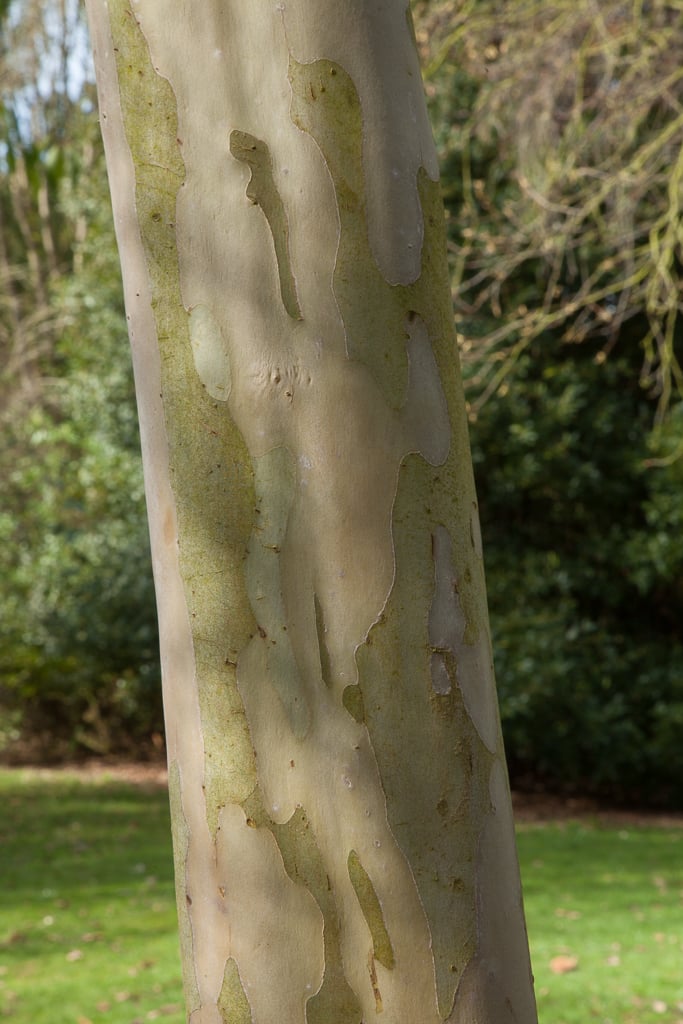
Cornus wilsoniana

RHS Plant Profile
Wilson's dogwood
Wilson's dogwood John Fielding

Synonyms

Swida wilsoniana

Plants for pollinators
Trees Shrubs

A deciduous to semi-evergreen shrub or small tree with grey-green foliage and showy bark which ranges from green to grey to white on mature specimens. Clusters of small white flowers appear in the spring to early summer and purple-black berries in the autumn

Position

Full sun, Partial shade

Soil Types

Loam

Max Height

8-12 metres

Max Spread

wider than 8 metres

Size

Time to Maturity
10–20 years
Max Spread
wider than 8 metres
Max Height
8-12 metres

Growing Conditions

Loam
Moisture
Moist but well–drained
pH
Acid

Position

Full sun Partial shade
Aspect
East–facing or South–facing or West–facing
Exposure
Sheltered
Hardiness
H4

Colour & Scent

Season Stem Flower Foliage Fruit
Spring
Summer
Autumn
Winter

Botanical Details

Family
Cornaceae
Native to GB/Ireland
No
Foliage
Deciduous, Semi evergreen
Habit
Spreading branched
Genus
Cornus can be deciduous shrubs or trees, or creeping, woody-based perennials, some with brightly coloured young stems. Tiny flowers are borne in dense clusters, sometimes with showy bracts. Many have fine autumn colour
Name Status
Correct
Plant Range
C & S China

How to Grow

Cultivation

Grow in fertile, humus-rich, moist but well-drained, acid to neutral soil in sun or partial shade. It performs best in cooler summer climates, keep consistently moist and provide adequate mulch. . For more advice, see flowering dogwood cultivation

Propagation

Propagate by softwood or hardwood cuttings or by grafting

Suggested planting locations and garden types

  • Architectural
  • City and courtyard gardens
  • Cottage and informal garden
  • Low Maintenance

Pruning

Pruning group 1

Pests

Generally pest-free but may be susceptible to horse chestnut scale

Diseases

May be susceptible to cornus anthracnose and honey fungus