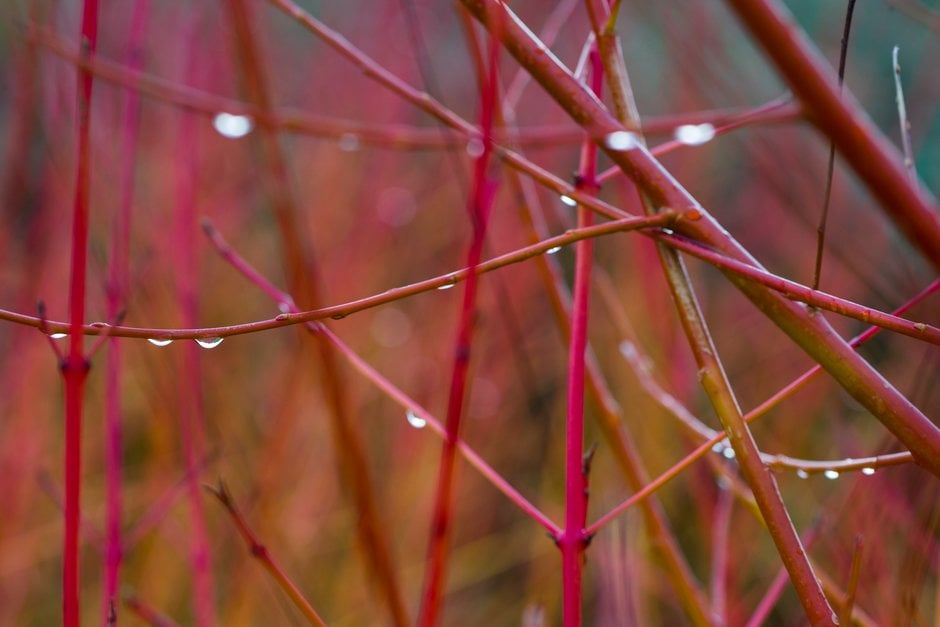
Cornus alba L.

RHS Plant Profile
red-barked dogwood
red-barked dogwood RHS

Other common names

Tartarian dogwood, Tatarian dogwood, white dogwood, white-berried dogwood

Synonyms

Swida alba
Cornus tatarica

Plants for pollinators
Shrubs

A vigorous,suckering shrub with red stems, conspicuous in winter, and dark green foliage which takes on red or orange autumn tints. Flatheads ofinconspicuous, creamy flowers in late spring and early summer are followed by bunches of small, white berries

Position

Full sun

Soil Types

Clay, Loam, Sand

Max Height

2.5-4 metres

Max Spread

2.5-4 metres

Size

Time to Maturity
5–10 years
Max Spread
2.5-4 metres
Max Height
2.5-4 metres

Growing Conditions

Clay Loam Sand
Moisture
Moist but well–drained or Well–drained
pH
Acid or Alkaline or Neutral

Position

Full sun
Aspect
East–facing or South–facing or West–facing
Exposure
Exposed or Sheltered
Hardiness
H7

Colour & Scent

Season Stem Flower Foliage Fruit
Spring
Summer
Autumn
Winter

Botanical Details

Family
Cornaceae
Native to GB/Ireland
No
Foliage
Deciduous
Habit
Suckering
Genus
Cornus can be deciduous shrubs or trees, or creeping, woody-based perennials, some with brightly coloured young stems. Tiny flowers are borne in dense clusters, sometimes with showy bracts. Many have fine autumn colour
Name Status
Correct
Plant Range
E & N Asia

How to Grow

Cultivation

Will grow in most soil conditions in sun or partial shade. For more information see winter stem colour cultivation or flowering dogwood cultivation

Propagation

Propagate by hardwood cuttings

Suggested planting locations and garden types

  • Cottage and informal garden
  • Wildlife gardens
  • Coastal
  • Flower borders and beds
  • Cut flowers
  • Hedging and screens

Pruning

Pruning group 7

Pests

Generally pest-free but may be susceptible to horse chestnut scale

Diseases

May be susceptible to cornus anthracnose and honey fungus