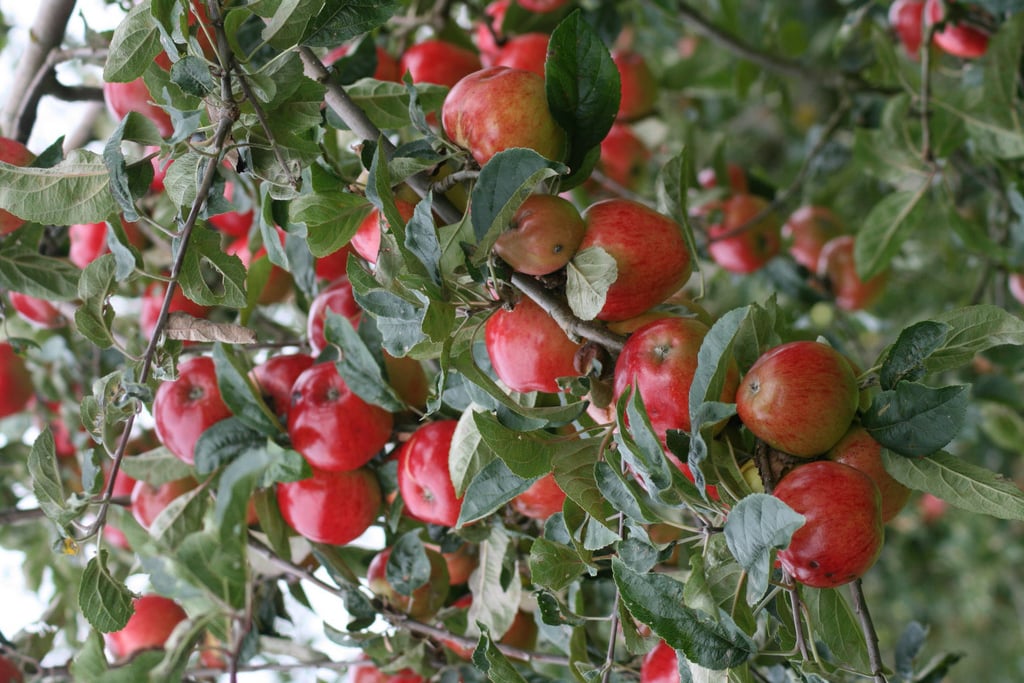
Malus domestica 'Norfolk Royal' (D)

RHS Plant Profile
apple 'Norfolk Royal'
apple 'Norfolk Royal' RHS

Synonyms

Malus domestica 'Norroy'

Plants for pollinators
Fruit Edible Trees

A mid-season dessert apple with greasy, pale yellow skin flushed and striped with red, and crisp, juicy, white flesh with a sweet flavour. Attractive in blossom, with pale pink flowers opening from darker pink buds. It is self sterile, pollination group 3, crops in early autumn, and stores to early winter

Position

Full sun

Soil Types

Clay, Loam, Sand

Max Height

4-8 metres

Max Spread

4-8 metres

Size

Time to Maturity
10–20 years
Max Spread
4-8 metres
Max Height
4-8 metres

Growing Conditions

Clay Loam Sand
Moisture
Moist but well–drained or Well–drained
pH
Acid or Alkaline or Neutral

Position

Full sun
Aspect
South–facing or East–facing or West–facing
Exposure
Sheltered
Hardiness
H6

Colour & Scent

Fragrance Flower
Season Stem Flower Foliage Fruit
Spring
Summer
Autumn
Winter

Botanical Details

Family
Rosaceae
Native to GB/Ireland
No
Foliage
Deciduous
Habit
Bushy
Genus
Malus are small to medium-sized deciduous trees with showy flowers in spring and ornamental or edible fruit in autumn; some have good autumn foliage colour
Name Status
Accepted
Horticultural Group
Dessert apples are sweet and juicy and are best eaten fresh and raw

How to Grow

Cultivation

Prefers a deep, fertile, moist but well-drained, neutral soil in a sheltered, sunny position. Will not thrive on very acid soils, shallow chalk soils or with shade for more than half the day. May require fruit thinning to improve fruit size and quality. See apple cultivation

Propagation

Propagate by grafting in midwinter or budding in late summer. Fruit grown from pips will not resemble the parent

Suggested planting locations and garden types

  • Cottage and informal garden
  • City and courtyard gardens
  • Patio and container plants
  • Wildlife gardens
  • Wall side borders
  • Edible fruit

Pruning

Prune according to chosen training method. See apple pruning

Pests

May be susceptible to aphids, including woolly aphid and rosy apple aphid, fruit tree red spider mite, codling moth and other caterpillars