Tulipa humilis Violacea Group yellow base (15)
tulip Violacea Group yellow base
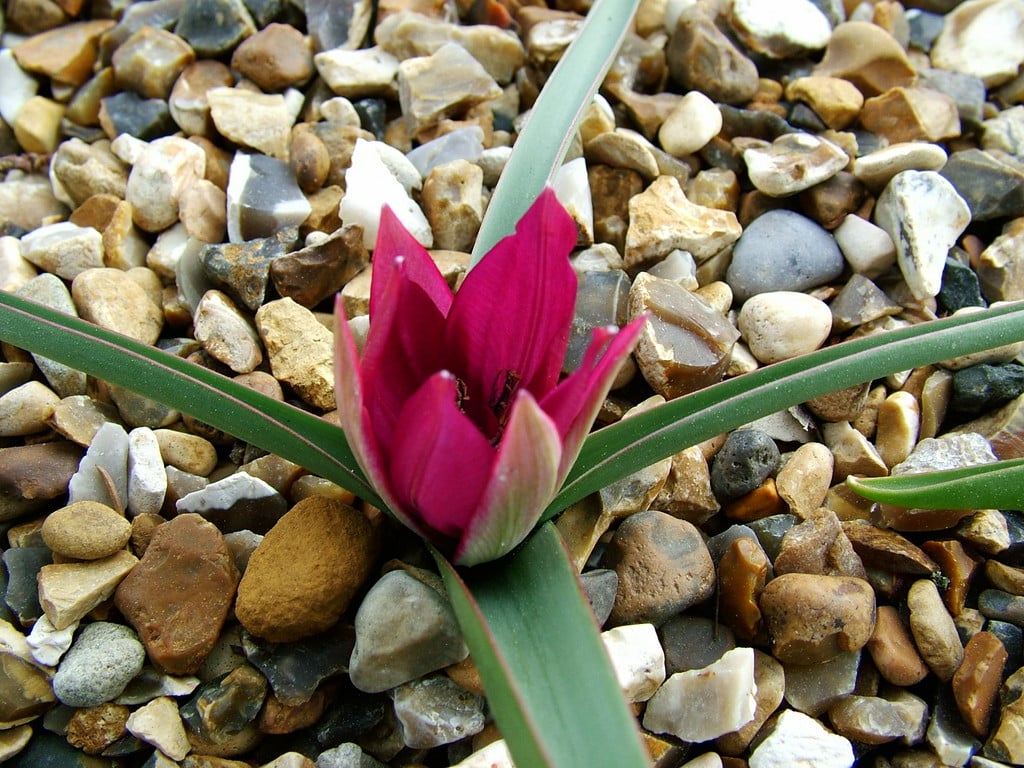
forms of Violacea Group are dwarf perennial bulbs, up to 10cm tall, with narrow green-grey leaves. Flowers are pink-magenta, with a prominent yellow base, in early spring
Buy this plant
Size
Ultimate height
Up to 10cmTime to ultimate height
2–5 yearsUltimate spread
0–0.1 metreGrowing conditions
Moisture
Well–drainedpH
Alkaline, NeutralColour & scent
| Stem | Flower | Foliage | Fruit | |
| Spring | Pink Yellow | Blue Green | ||
|---|---|---|---|---|
| Summer | ||||
| Autumn | ||||
| Winter |
Position
- Full sun
Aspect
South–facing or West–facing or East–facing
Exposure
Sheltered Hardiness
H5Botanical details
- Family
- Liliaceae
- Native to GB / Ireland
- No
- Foliage
- Deciduous
- Habit
- Clump forming
- Potentially harmful
- Harmful if eaten, skin allergen. Wear gloves and other protective equipment when handling. Pets: Harmful if eaten, skin allergen - for further information and contact numbers regarding pets, see the HTA guide to potentially harmful plants
- Genus
Tulipa are bulbous perennials with characteristic flowers, in a wide range of colours, in spring
- Name status
Accepted
- Horticultural Group
- Miscellaneous tulips include all species and hybrids not otherwise classified
How to grow
Cultivation
Plant 10-15cm deep in fertile, well-drained soil in full sun, protect from excessive wet and shelter from strong winds, see tulip cultivation
Propagation
Propagate by lifting and separating offsets; see bulb propagation
Suggested planting locations and garden types
- City and courtyard gardens
- Patio and container plants
- Rock garden
- Cottage and informal garden
- Wildflower meadow
- Flower borders and beds
Pruning
Deadhead after flowering
Pests
May be susceptible to slugs, aphids and stem and bulb eelworm; squirrels may eat the bulbs
Diseases
May be susceptible to tulip fire and bulb rot in poorly drained soil
Get involved
The Royal Horticultural Society is the UK’s leading gardening charity. We aim to enrich everyone’s life through plants, and make the UK a greener and more beautiful place.