
Ten plants to include in a child-friendly garden
Safe plants for sensory experiences, learning and connecting with the natural world

The daisy family, also known as the sunflower or aster family, features some of the most loved and well-known plants, and includes annuals, perennials, shrubs and trees
Featuring over 1,900 genera throughout the world, and found on every continent except Antarctica, Asteraceae is one of the largest plant families, with only Orchidaceae vying for the top spot. Alongside the ubiquitous chain-making daisy in our lawns, the family includes cosmos, dahlias and marigolds, as well as less obvious edible cousins such as lettuce, tarragon and endive.
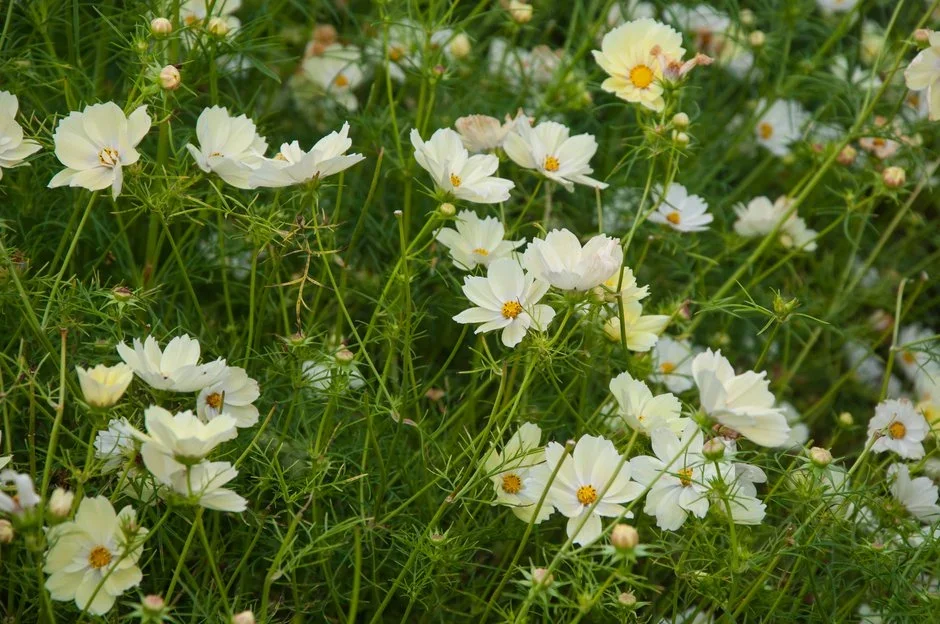
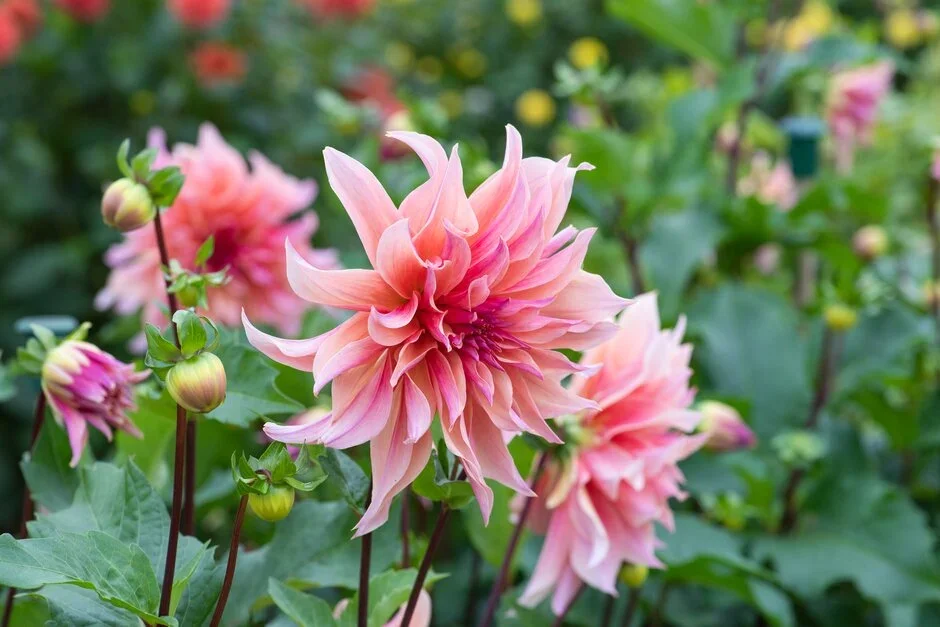
Some of our common weeds join the family party, such as dandelions, thistles and groundsel. But in terms of gardening, many of our most popular garden plants belong to this group, including Echinacea, Helenium, Achillea, and Artemisia, and even shrubs such as Brachyglottis and Olearia.
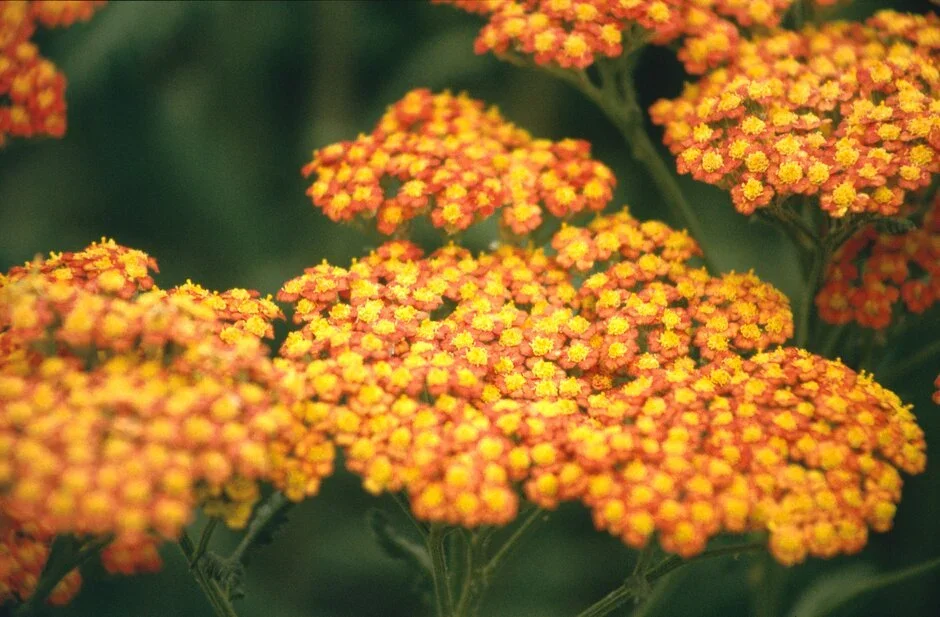
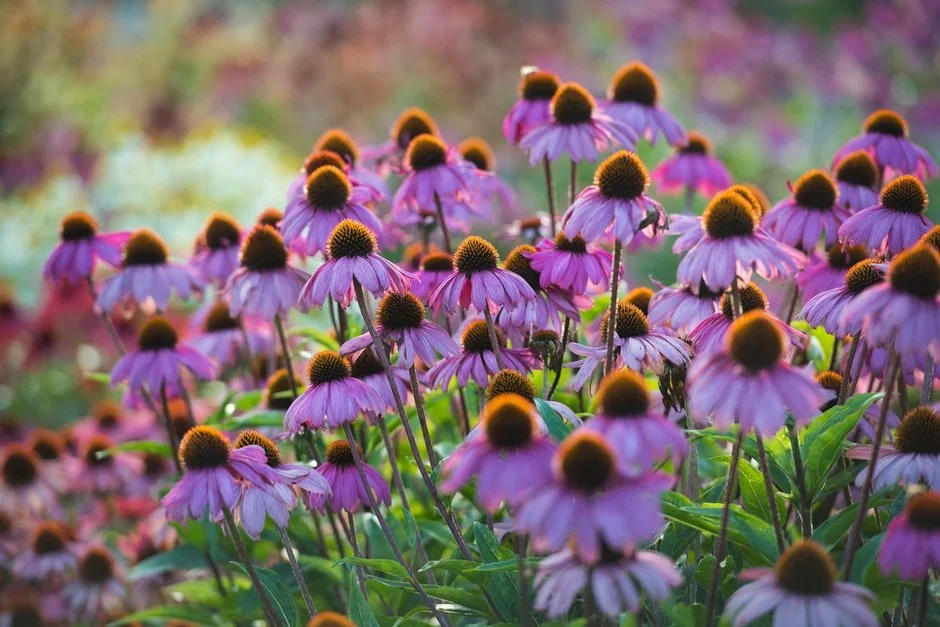
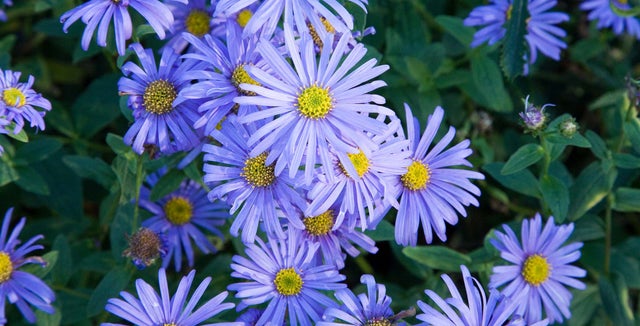
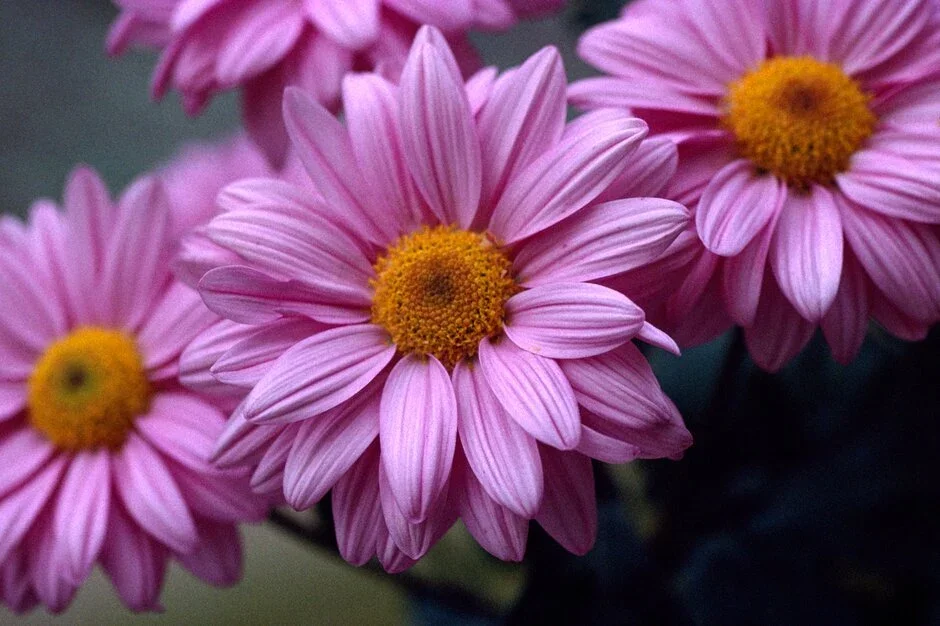
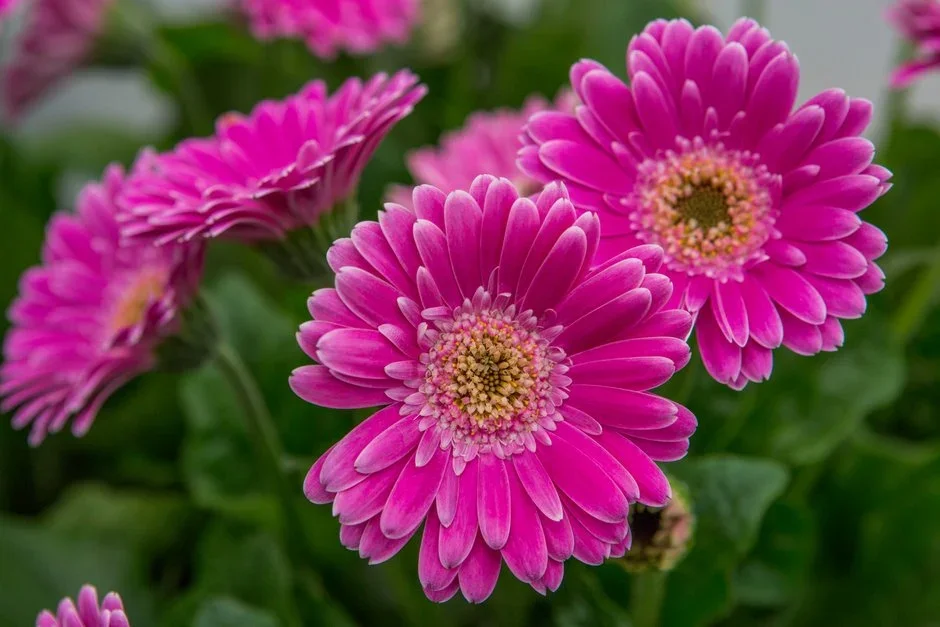
Like all families, the daisy family has some common characteristics, as well as some oddities. They share their ‘daisy’ head, which is actually many tiny individual florets, encircled by a sun ray of florets, each with a single large petal. Their former family name was Compositae because of this composite form of many minute flowers. One thing they don’t share is the shape and makeup of their leaves, stems, and roots.


In Roman myth, the nymph Belides caught the eye of Vertumnus, god of the orchards, as she danced with the other nymphs at the edge of the forest, and to escape his unwanted attention, transformed herself into a daisy flower (Bellis).
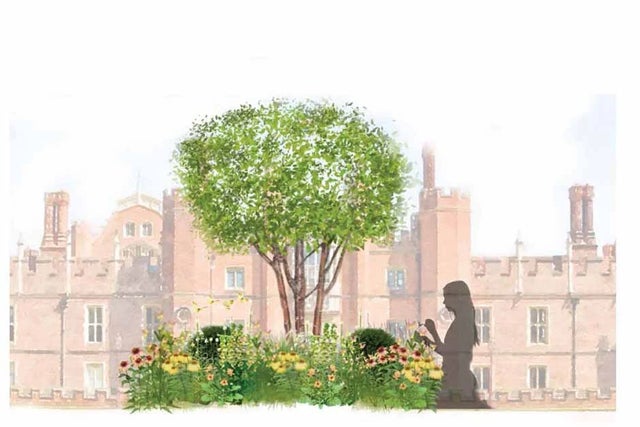
Book tickets to RHS Hampton Court Palace Garden Festival where you can enjoy the All About Asteraceae display

About the author - Natalie Ashbee
Natalie grew up on an arable farm in North Cornwall. She was a primary school teacher, then started a gardening business, moving into garden and planting design. She spent several years in Bristol, where she was a horticulturist for garden TV programmes. She now lives and gardens in West Cornwall.