RHS / Helen Jermyn

Appearance
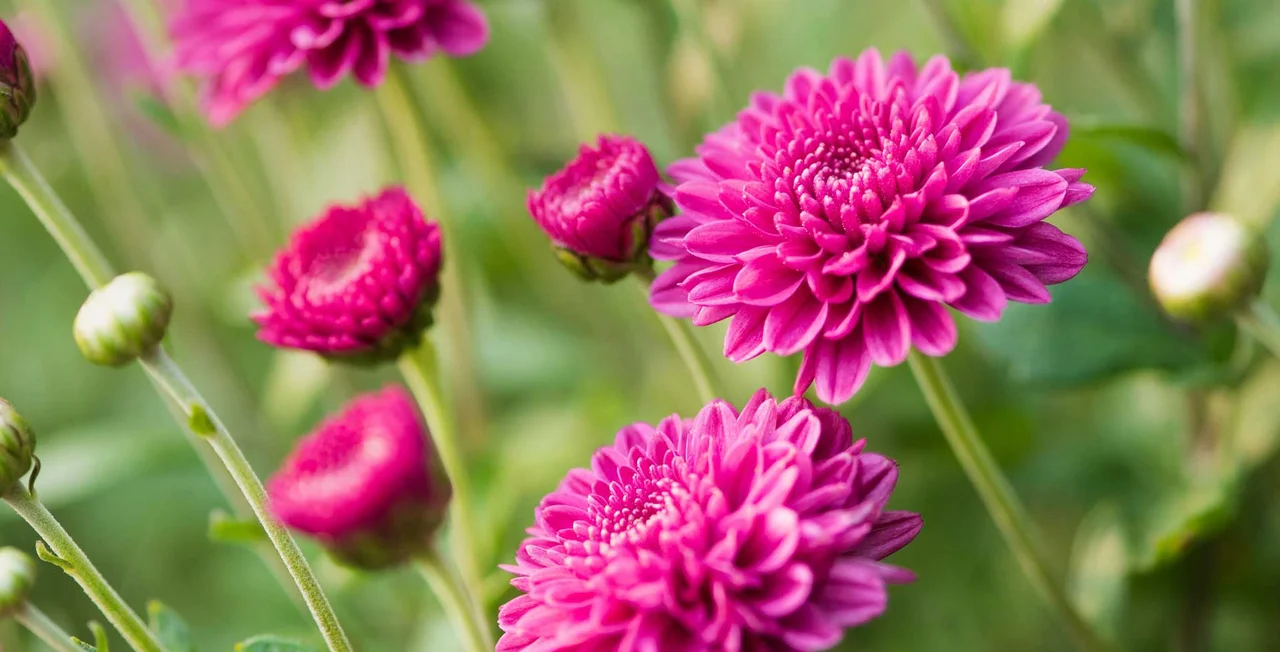
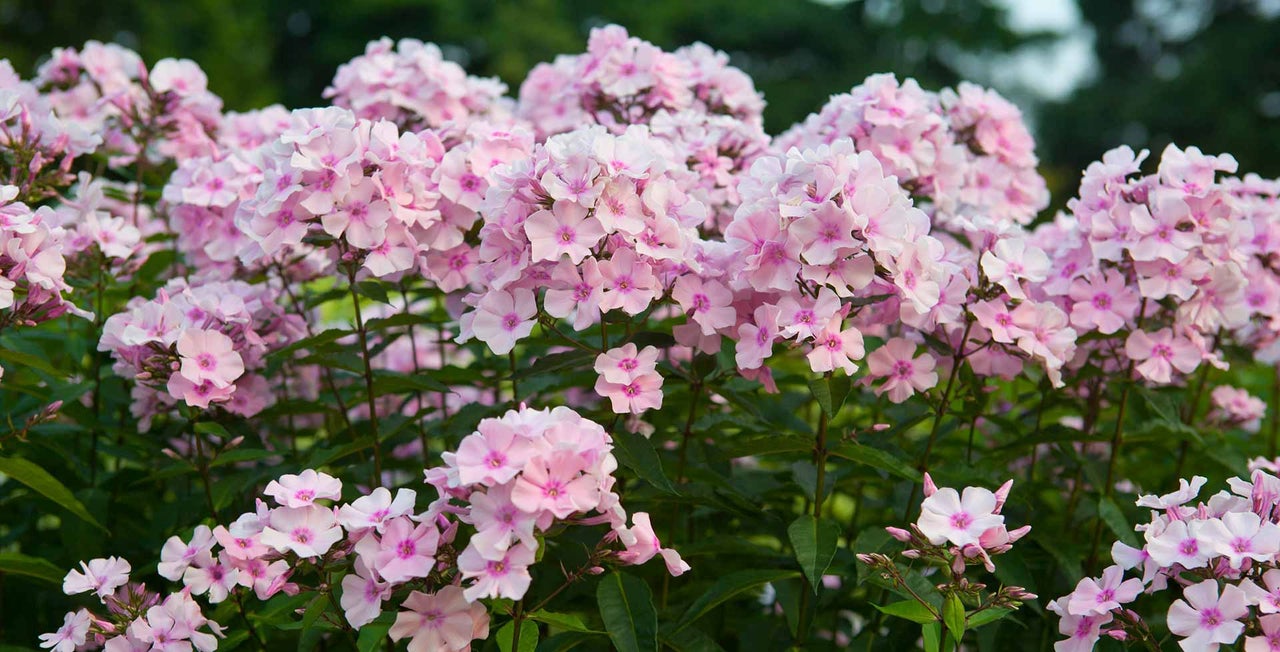
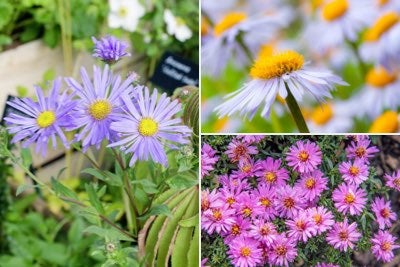
Clumps of mid green leaves carry upright stems topped with white, pink, lilac, purple, blue or red daisy flowers, often with yellow centres.
Preferences
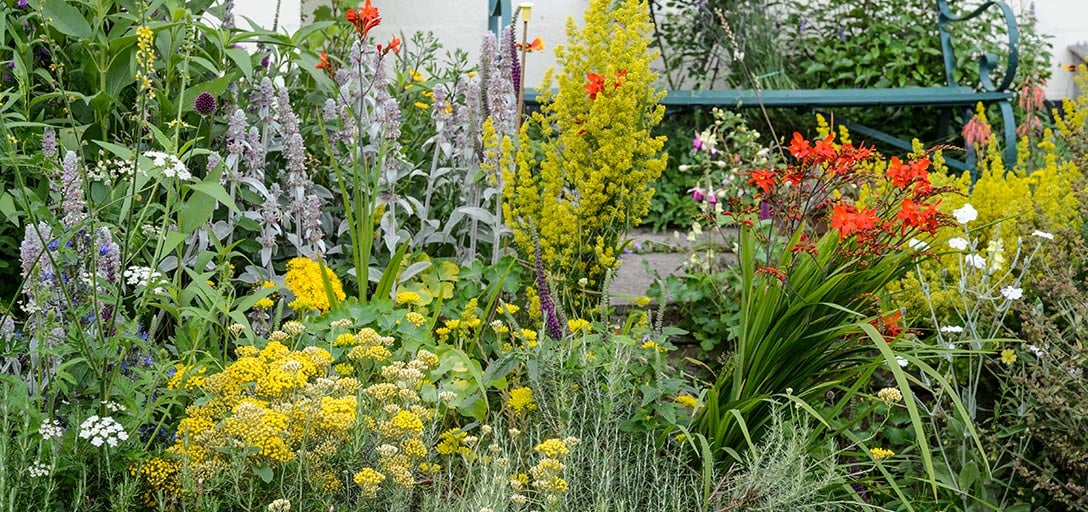
Asters grow in most moisture-retentive soil types that are fertile or have been improved with organic matter such as garden compost. They are happiest in full sun but can cope with light shade.
Dislikes
They do not do well in dry or waterlogged soil. They are unlikely to flower in deep shade.
Did you know?
Many daisy-flowered plants that were once known as Aster have now been reclassified and have a different genus name. You’ll still hear them being referred to as asters though, as it’s frequently used as a common name.
RHS Growing Guide
FREE
Read our comprehensive free RHS Growing Guide:
How to grow Asters
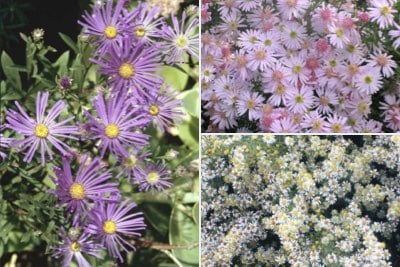
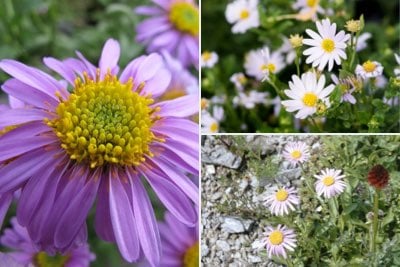
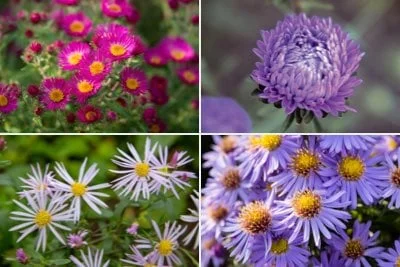
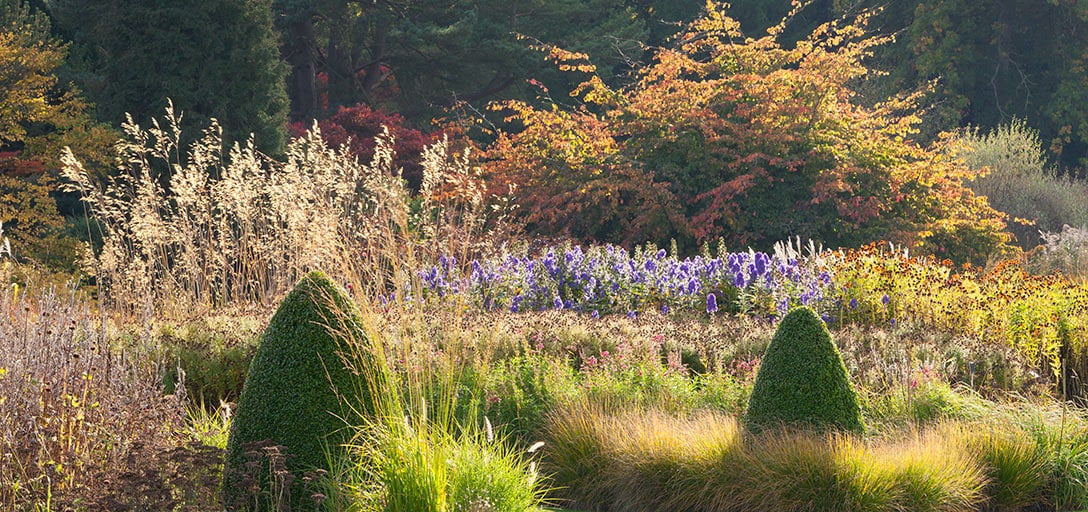

Introducing Aster
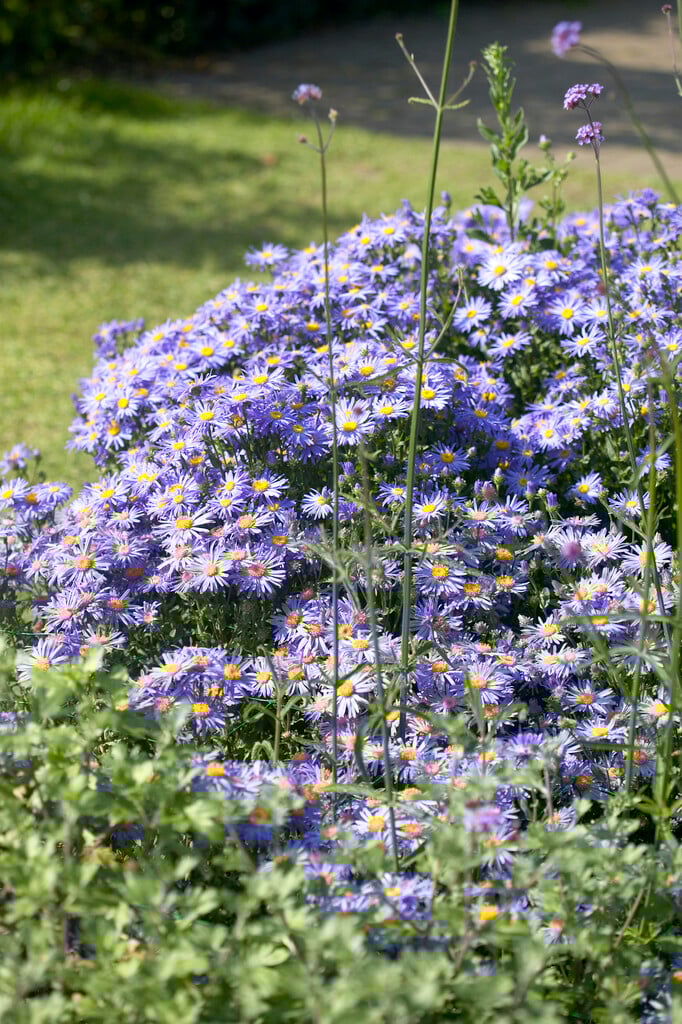
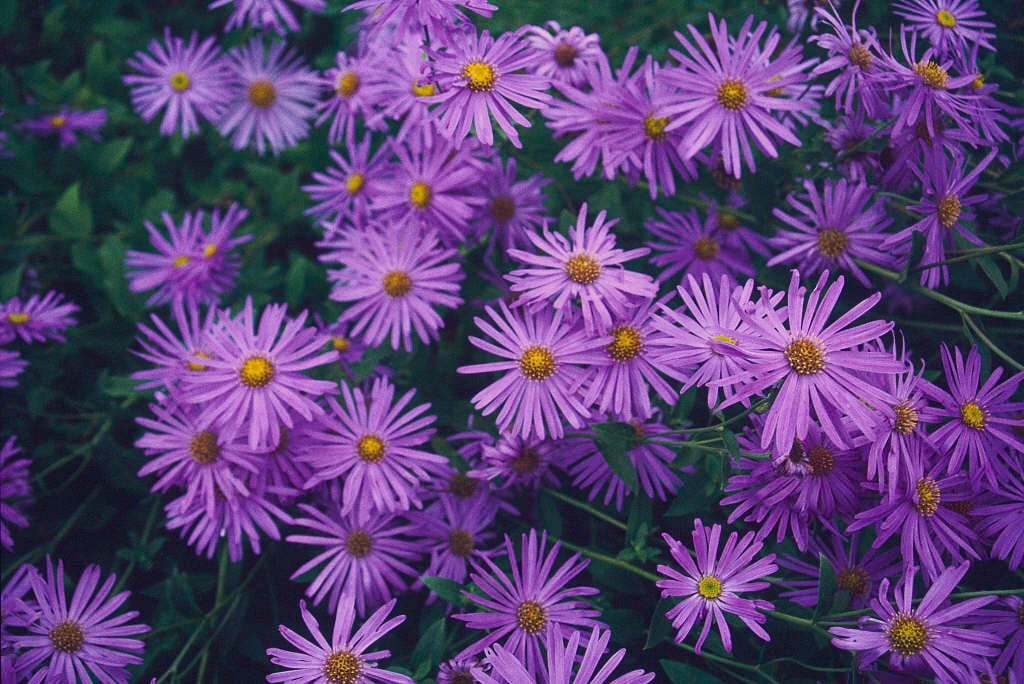
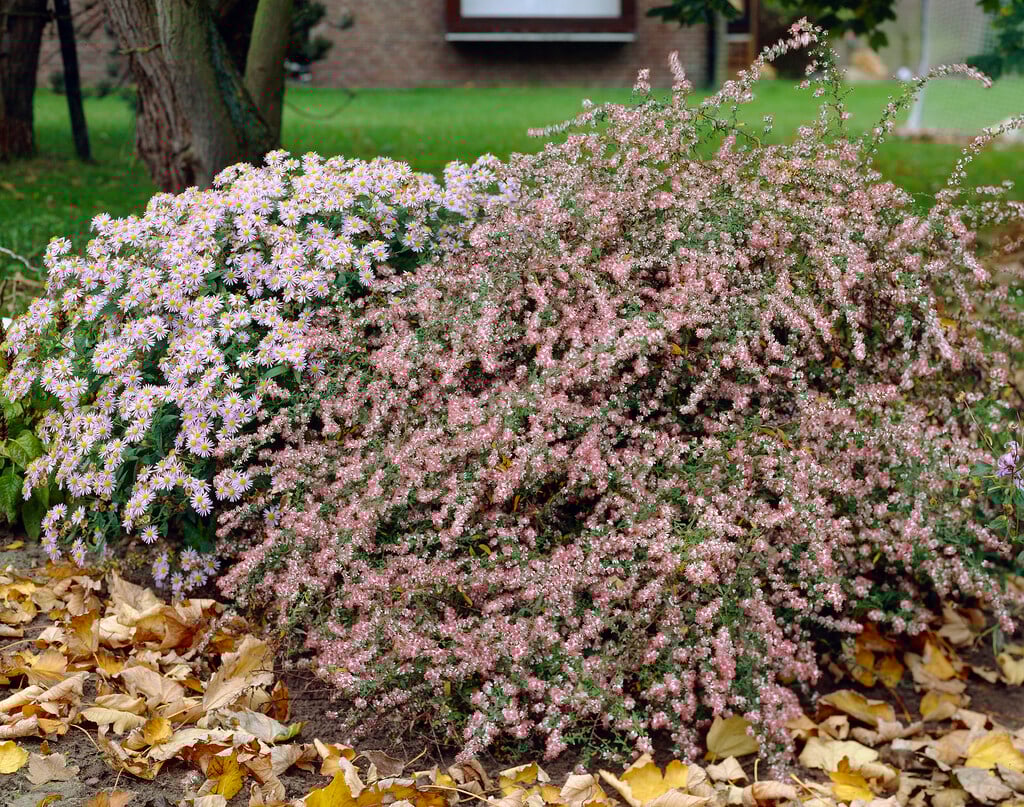
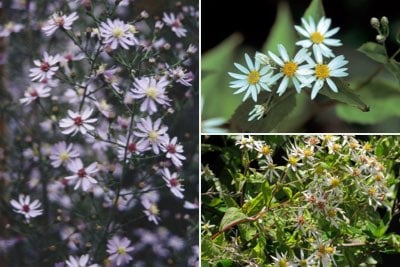
Symphyotrichum lateriflorum var. horizontale
horizontal calico aster
- Height
- 0.1–0.5 metres
- Width
- 0.1–0.5 metres
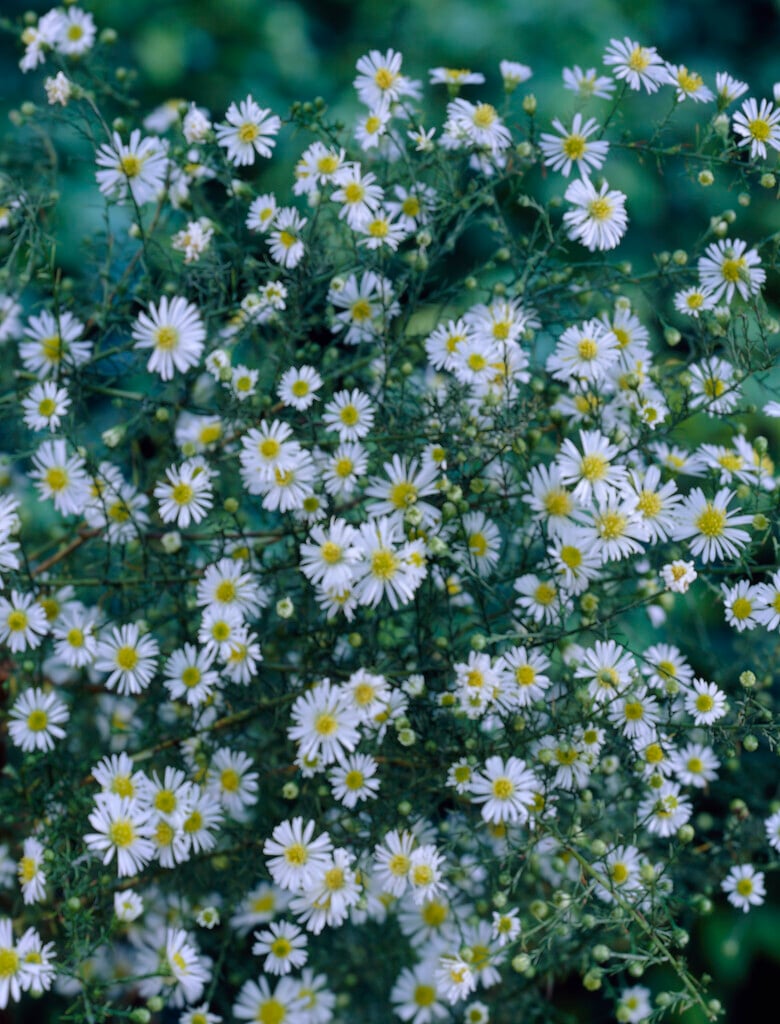
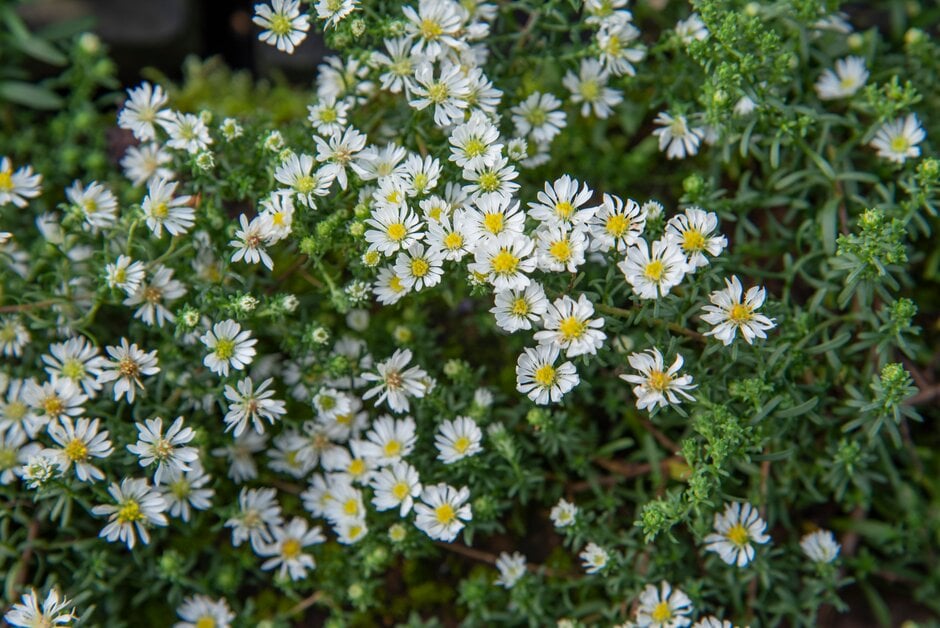
Symphyotrichum ericoides var. prostratum 'Snow Flurry'
heath aster 'Snow Flurry'
- Height
- 0.1–0.5 metres
- Width
- 0.5–1 metres
Symphyotrichum novae-angliae 'Helen Picton'
New England aster 'Helen Picton'
- Height
- 1–1.5 metres
- Width
- 0.5–1 metres
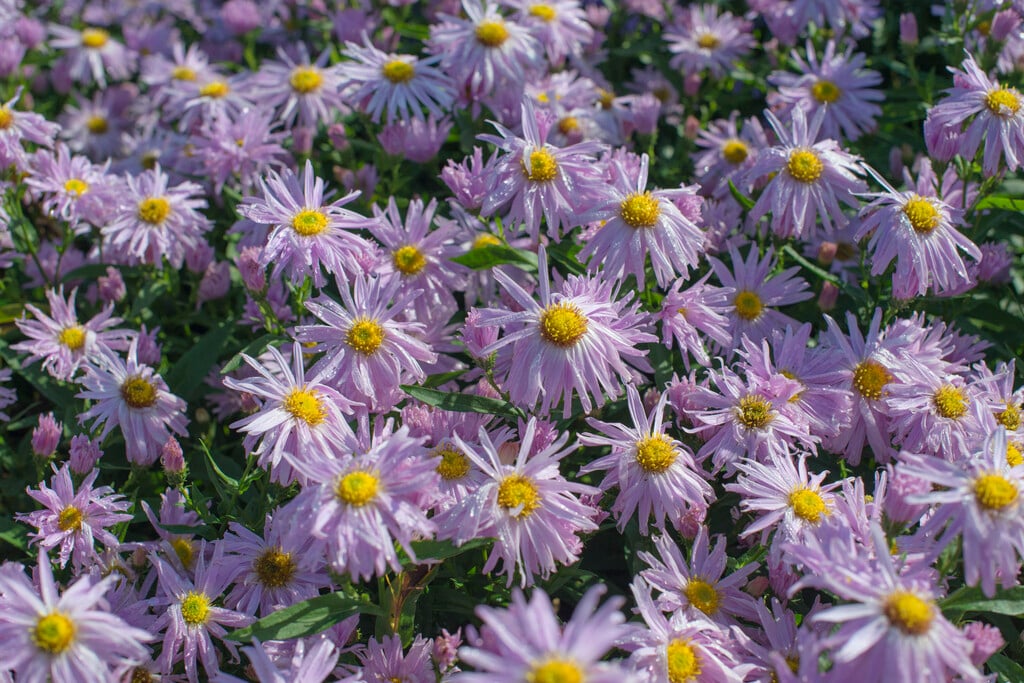
Symphyotrichum novi-belgii 'Fellowship' (d)
Michaelmas daisy 'Fellowship'
- Height
- 0.5–1 metres
- Width
- 0.1–0.5 metres
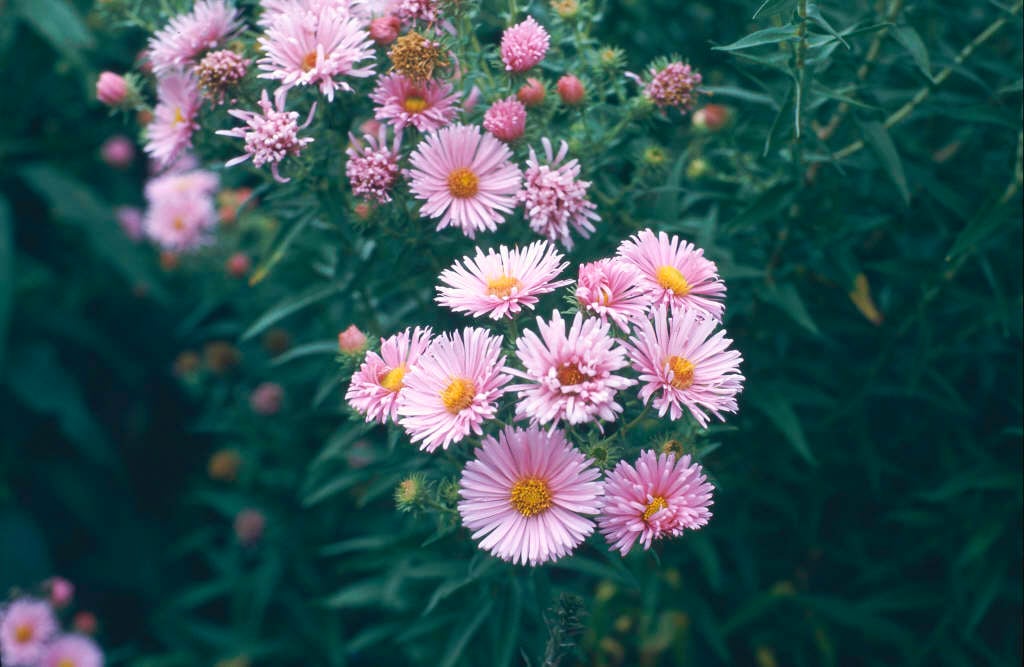
Symphyotrichum novae-angliae 'Harrington's Pink'
New England aster 'Harrington's Pink'
- Height
- 1–1.5 metres
- Width
- 0.5–1 metres
x of x
Showing
x to x
of x