Quick Facts
Easy-to-grow foliage houseplant
1
Position in low light or shade
2
Keep between 5–20°C (40–70°F)
3
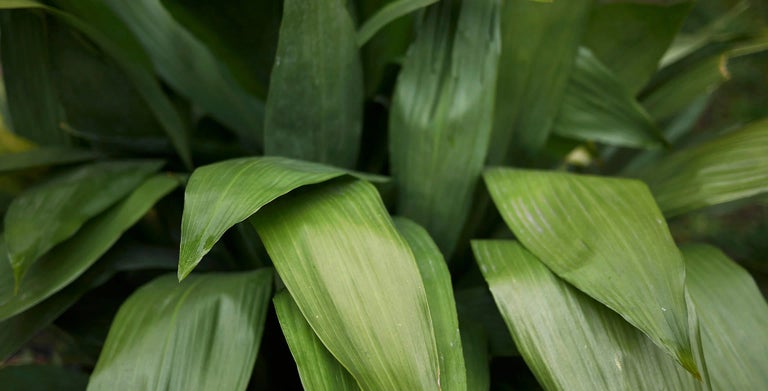
Long pointed leaves form a clump about 60cm (2ft) tall and wide
4


Before you get started
What are aspidistras?
Aspidistras have long been popular as houseplants – they’re among the easiest to grow and form a clump of tropical evergreen leaves up to 60cm (2ft) tall. Also known as cast-iron plants, due to their resilience and adaptability, aspidistras thrive without any special treatment, valiantly coping with low light, erratic watering and fluctuating temperatures. They’re a handsome, low-maintenance choice, ideal for a tricky spot such as a dark corner or draughty hallway, and they can even improve the air quality in your home.
Choosing aspidistras
There are several species and cultivars to choose from, but the most popular and reliable are:
- Aspidistraelatior – the most widely sold aspidistra, with pointed, dark green leaves up to 60cm (2ft) long
- Aspidistraelatior ‘Variegata’ – similar to the above, but with leaves irregularly striped with creamy-white
Both of these have an RHS Award of Garden Merit (AGM), which shows that our experts recommend them as reliable choices.
Buying aspidistras
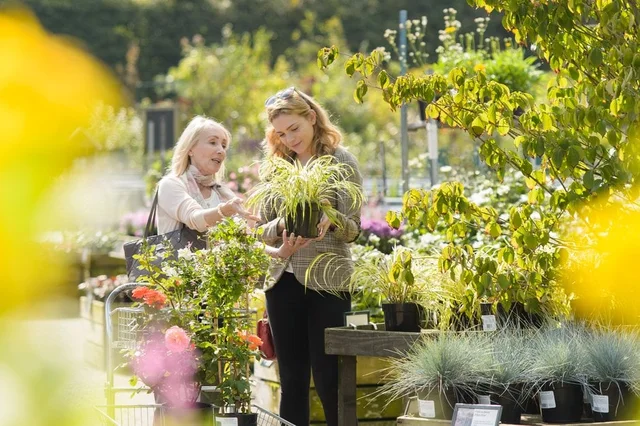
Aspidistras are widely available from houseplant retailers. For buying tips, see our guides and video:
Planting
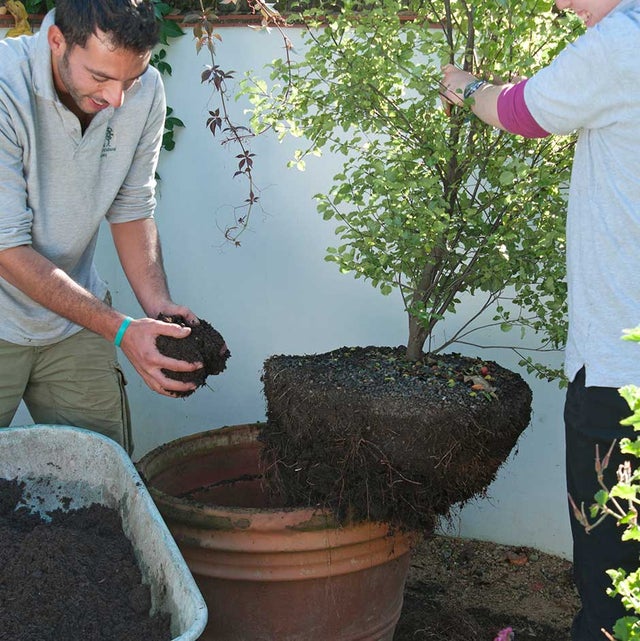
Aspidistras usually grow quite slowly, so can be kept in their original pot for several years, until the roots start to appear through the drainage holes. They should then be repotted in spring:
- Choose a new container that is only slightly larger, to avoid overpotting
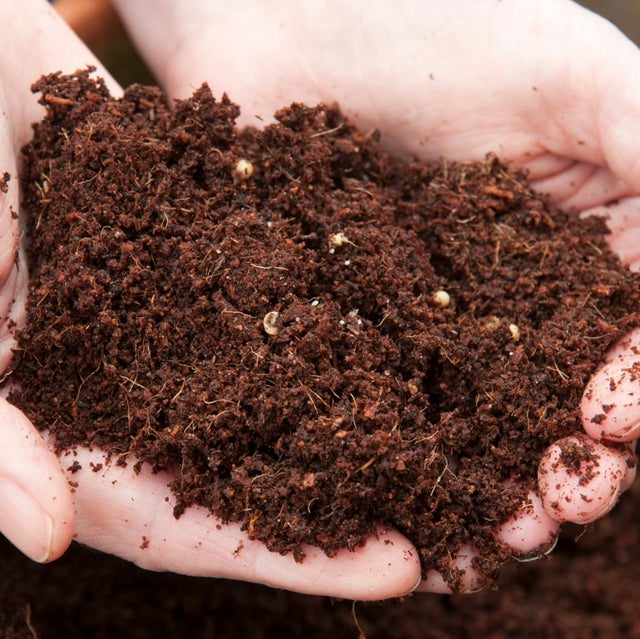
- Use a 50:50 mix of peat-free loam-based and peat-free multi-purpose compost
- Position the plant in its new pot at the same level it was previously growing. Firm down the compost around the roots, then water well to settle the compost
See our tips on repotting houseplants:
Ongoing Care
Location
Aspidistras are renowned for coping in very poor light, where most other houseplants would curl up and die. But ideally they enjoy a position in low or filtered light, well away from direct sun, which can scorch the leaves. In very poor light, plants will grow more slowly and those with leaves may revert to plain green. Aspidistras can also cope with draughty spots, such as near a front door.
TOP TIP
Wipe the leaves occasionally with a damp cloth to remove dust and help your aspidistra to absorb light more efficiently.
Temperature
Aspidistras are happiest between 5–20°C (40–70°F), so a fairly cool room is ideal, away from heat sources. They can tolerate a bit more warmth in summer, if necessary. They can also cope well with fluctuating temperatures.
Watering
Although aspidistras can survive drying out occasionally, it’s best to water regularly throughout the , from spring to autumn. Keep the moist but never , as soggy compost can rot the roots. Reduce watering slightly in winter, but try not to let the compost dry out completely.
TOP TIP
Every time you water your aspidistra, turn the pot by a quarter to ensure the plant keeps a well-balanced shape and doesn’t lean towards the light.
Humidity
Despite their tropical appearance, aspidistras don’t need – they are fine in the fairly dry air of typical homes.
Feeding
To boost growth, apply a general-purpose houseplant fertiliser monthly from spring to late summer.
Pruning and Training
No pruning or training is required. Simply remove any fading leaves to keep plants looking their best.
Propagating
Problems
Aspidistras are robust, resilient houseplants that can tolerate some neglect. They rarely suffer problems and can live for many years. Just take care not to overwater, as the roots can rot in , and keep them out of bright light, which can cause the leaves to turn brown. Also check regularly for insects, including:
- mealybugs
- red spider mites – look for speckled or bleached leaves
- scale insects