RHS
RHS 

Appearance
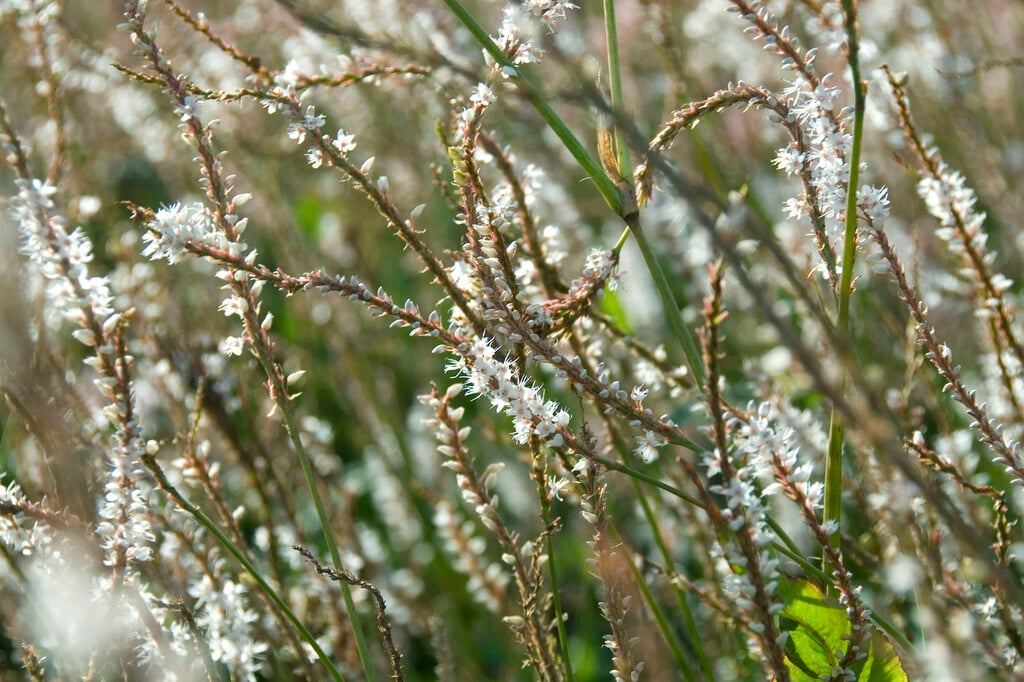
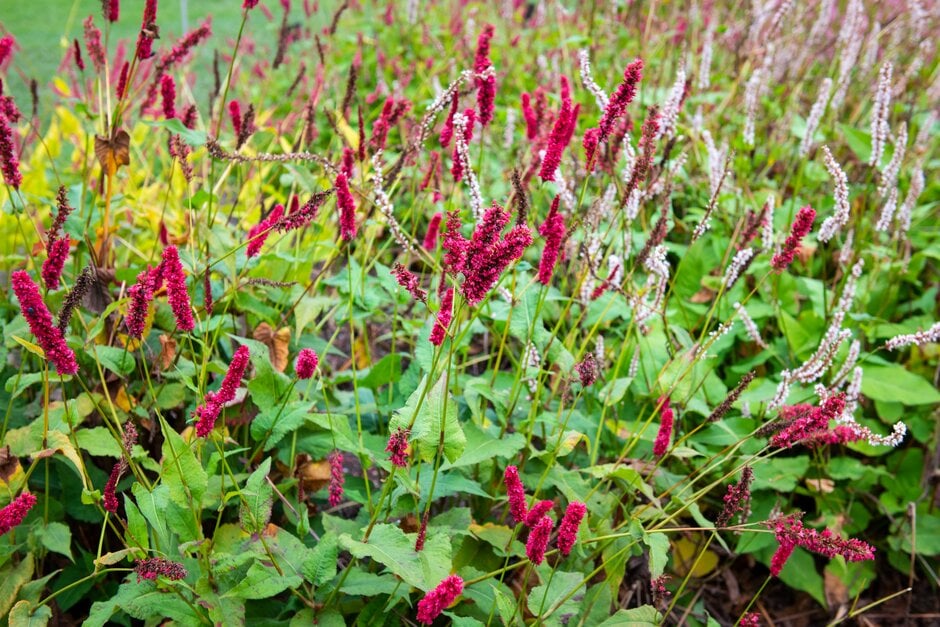
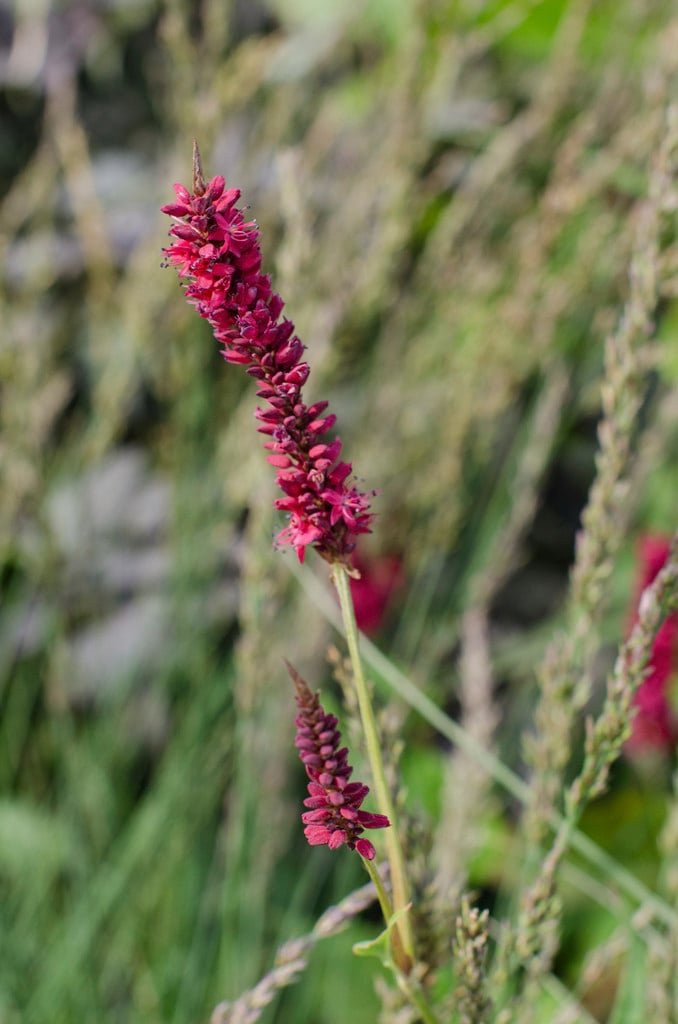
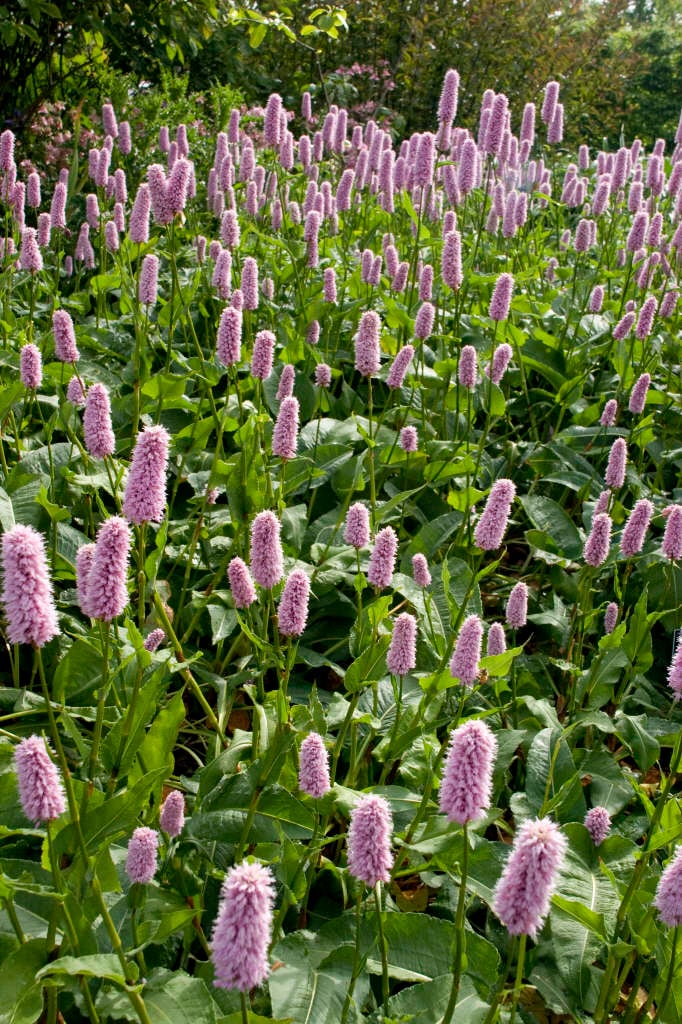
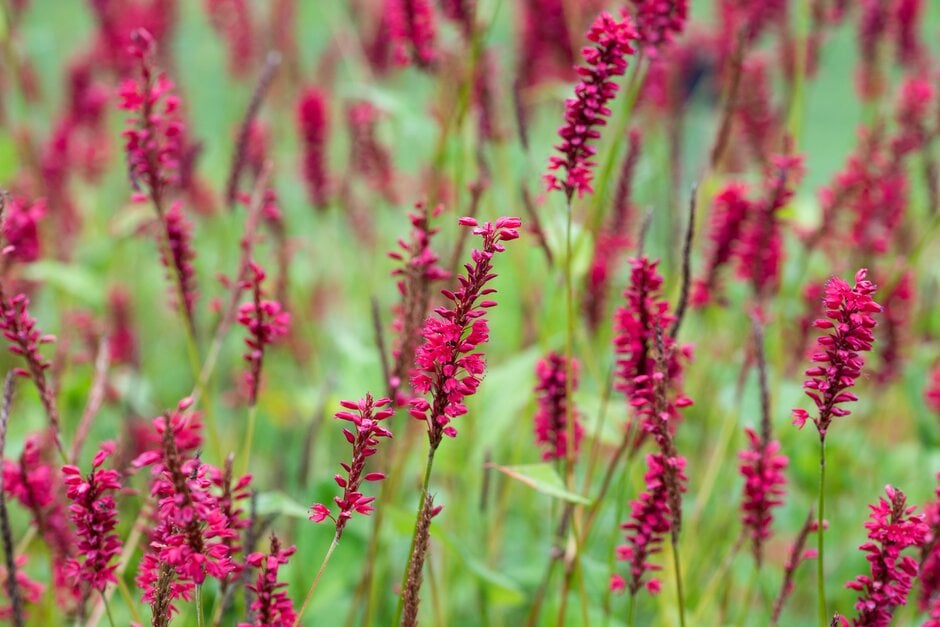
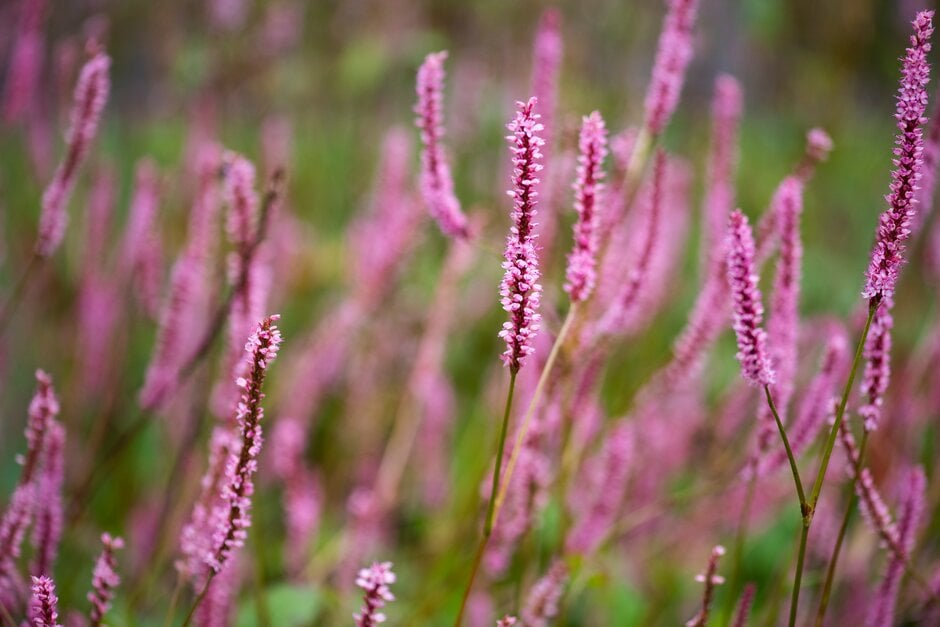
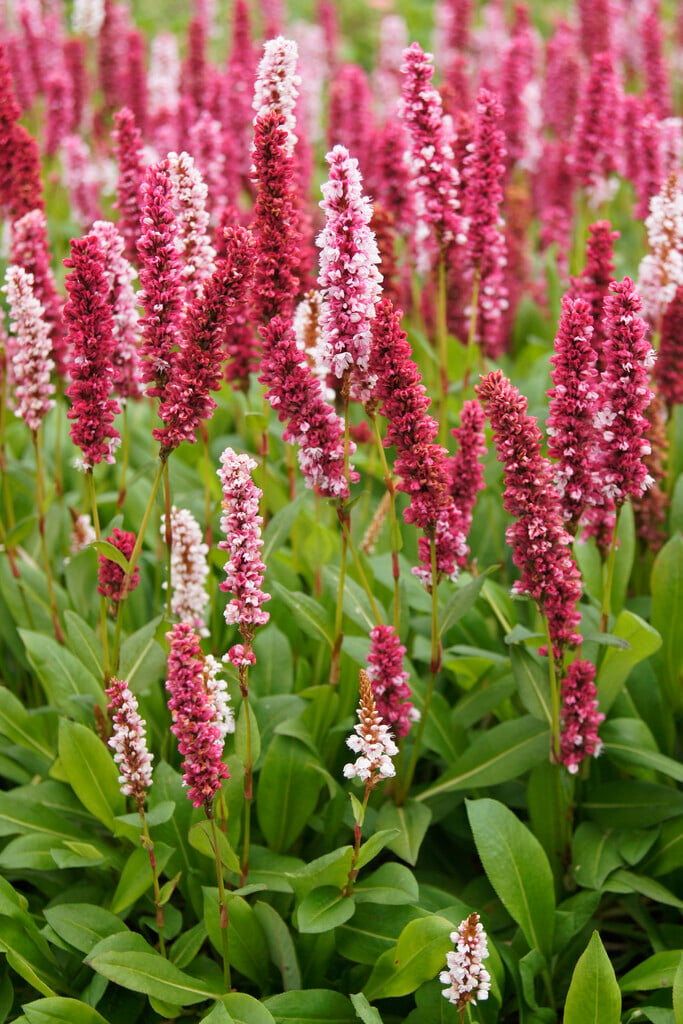
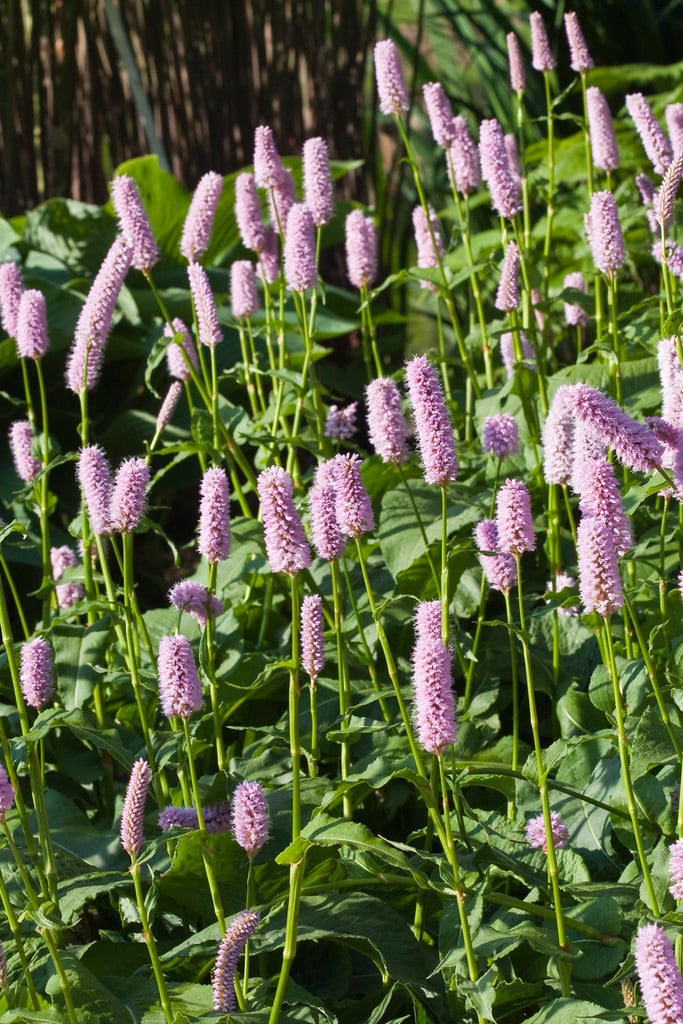
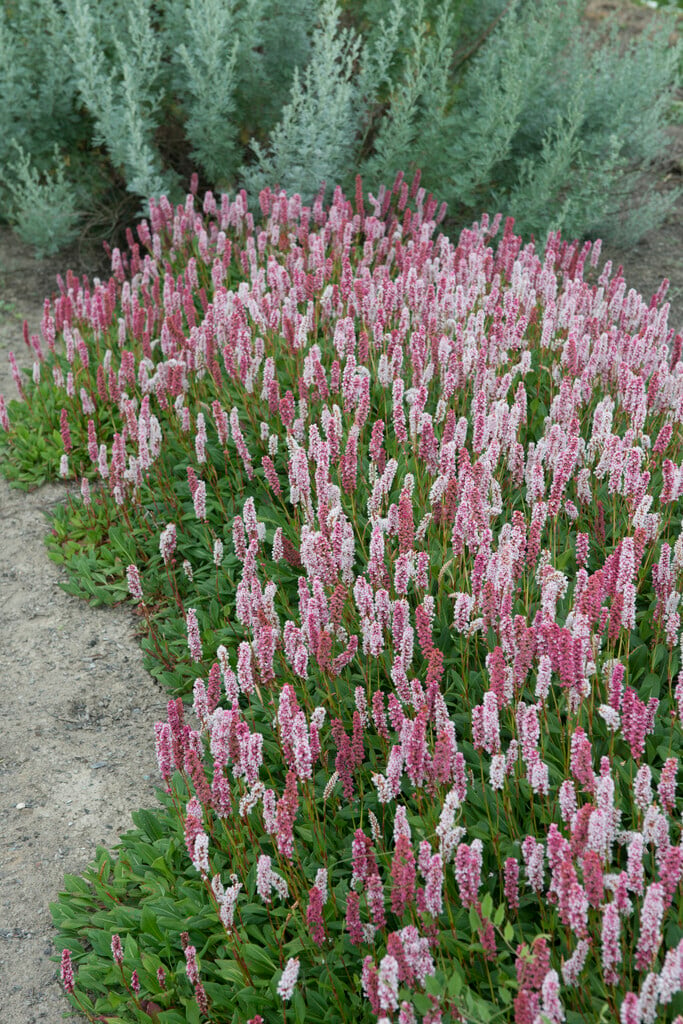
In summer and sometimes into autumn, bistorts produce upright spikes of tiny, densely packed flowers in shades of red, pink, white or cream. Bistorts can range from low, spreading mats such as Bistorta affinis, which remains attractive through winter with brick-red leaves, to clumps up to 1.5m tall.
Preferences
Most bistorts thrive in permanently moist but well-drained soil of any pH, and some enjoy very wet, even boggy conditions. They flower best in a sunny or partially shaded spot.
Dislikes
They dislike going short of water, while complete shade will prevent them flowering and lead to a decline in plant growth.
Did you know?
The wild bistort B. officinalis was – and still is – used in an annual cooking contest held in Calderdale, West Yorkshire, where it is made into a dish called Dock Pudding. This has nothing to do with Rumex docks, but contains lots of bistort leaves, combined with oatmeal, onions and nettles. The resulting patty is fried with bacon and eaten as a spring treat.
RHS Growing Guide
FREE
Read our comprehensive free RHS Growing Guide:
How to grow perennial plants

Introducing Bistort
x of x
Showing
x to x
of x