Quick Facts
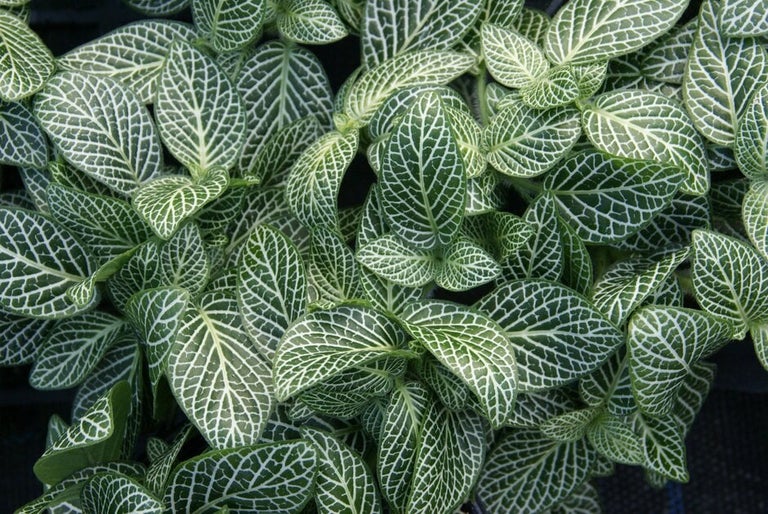
Bright veining on the leaves, in various colours
1
Low, compact plants that spread slowly outwards
2
They need warmth (at least 15°C/60°F) and high humidity, such as in a terrarium
3
Position in bright light, but out of direct sun
4


Before you get started
What are fittonias?
Fittonias originate in the tropical forests of Peru, shaded from the sun but in high . So they need similar conditions when grown as houseplants. They are naturally low-growing and spread slowly outwards rather than upwards, so are ideal if space is tight.
These distinctive plants are prized for their boldly patterned leaves, with veins in various contrasting colours, including white and pink.
Choosing fittonias
Their highly ornamental foliage and spreading habit means fittonias work well in terrariums, either combined with other plants in a large sealed or as a single specimen in a small one, or even just in a glass jar. Choose plants of the same or different colours, whichever you prefer.
Although fittonias are generally sold without names in mixed selections, you may see the following for sale:
- ‘Skeleton’ – lime-yellow leaves with red veining
- ‘White Anne’ – green leaves with bright white veining
- ‘Lemon’ – lime-green leaves with white veining
- ‘White Star’ – almost white leaves with thin green veins
- ‘Forest Flame’ – red leaves with a dark green margin
- ‘Pink Forest Flame’ – pink leaves with a dark green margin
- ‘Mistral’ – dark green leaf with narrow pink veins
Other compact plants that combine well with fittonias and like similar growing conditions include mind-your-own-business (Soleirolia soleirolii), clubmosses (Selaginella) and basket plants (Callisia repens).
Buying fittonias
Fittonias are often sold in multi-packs or as reasonably priced small potted plants in the houseplant area of garden centres and from online houseplant retailers. Choose strong healthy plants that show no signs of withering or leaf damage and have a well-developed root system. Also check for insect damage.
As these are tropical plants, take care to keep them warm when bringing them home.
Common names
Fittonias may also be sold under the common names of mosaic plant, nerve plant or network plant.
Planting
Fittonias are small, slow-growing plants, so can be kept in their original container for several years. But they also work well planted alongside other similarly small tropical plants, ideally in a terrarium or bottle garden, where is high.
For details of how to plant fittonias ino a , see our quick video guide:
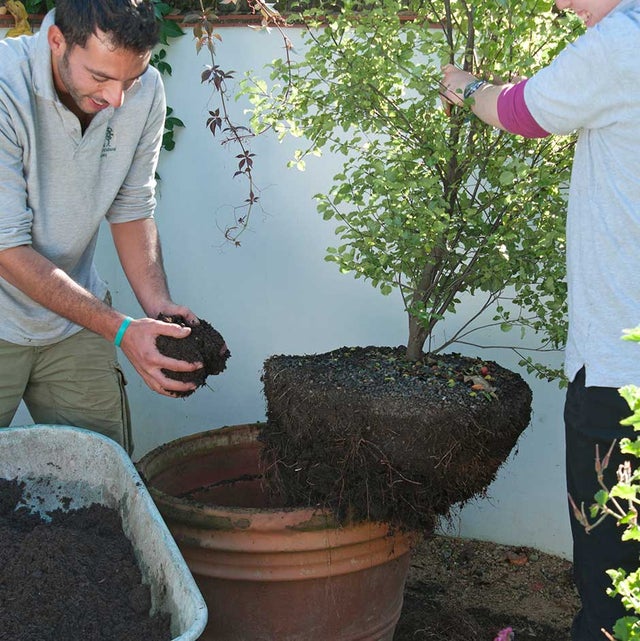
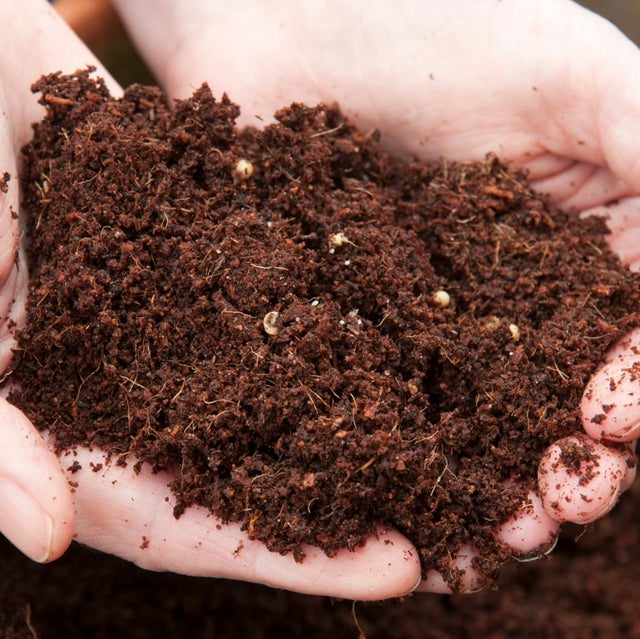
If kept individually in their own pot, fittonias will benefit from repotting every few years, so they continue growing strongly. Choose a new pot that is only slightly larger than the , to avoid problems with overpotting. Use moisture-retentive, peat-free houseplant or peat-free multi-purpose compost. Continue repotting every few years, once the roots fill the pot.
See our guides on repotting houseplants:
Top Tip
Avoid keeping fittonias in places where they’ll dry out quickly, such as on south-facing windowsills or near radiators and fires.
Ongoing Care
Location
Fittonias need a bright spot that’s away from direct sunlight, which can scorch the leaves. Near a north- or east-facing window is ideal. Keep at 15°C (60°F) or higher, and out of cold draughts.
Temperature
Fittonias thrive in a warm room that stays above 17°C (63°F). Keep them out of cold draughts and away from drying heat sources such as radiators.
Watering
Keep the moist by watering frequently. Fittonias in terrariums or sealed glass containers will need less frequent watering, since the will prevent the compost drying out too quickly.
Lack of water will cause fittonias to droop or wilt. Although this can be worrying, they soon recover once watered thoroughly (provided you don’t leave it too long).
Humidity
Fittonias need moist air, otherwise their leaves turn brown. An enclosed terrarium, or a steamy bathroom or kitchen, are usually good locations for them.
High humidity can also be created elsewhere by standing the pot on a wide tray filled with damp gravel or clay granules (Hydroleca) and keeping the water topped up.
Feeding
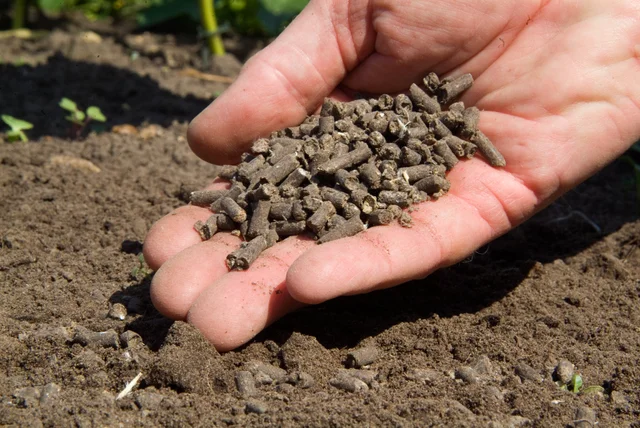
Fittonias aren’t particularly hungry plants. Feed them occasionally (once every two or three months) with a half-strength general-purpose or houseplant fertiliser when you water.
Pruning and Training
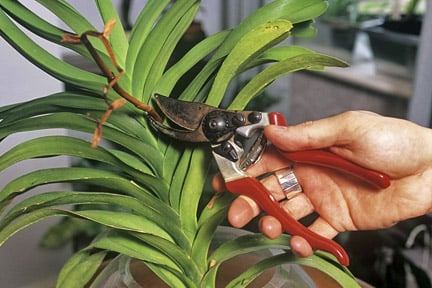
Fittonias don’t need pruning, but remove dead leaves and stems as needed to keep plants looking tidy.
If a plant dies off in the centre, divide the clump and replant the healthy sections, discarding the dead parts.
Propagating
By division
Divide large clumps by separating the into several sections with your hands, so each new plant has three or more stems. Replant these individually (see Planting, above).
By stem cuttings
In spring and summer, take stem-tip . Remove several strong, healthy stems around 5cm (2in) long and cut them just below a pair of leaves at the base. Insert them vertically into a pot of moist peat-free compost and keep in a humid atmosphere (such as in a or sealed clear bag) until well-rooted. See our guide to taking softwood cuttings for full details.
Problems
Fittonias are generally trouble free, as long as they are kept in a humid atmosphere and watered regularly. They may occasionally be affected by:
- -sucking insects – including red spider mites and mealybugs
- Leaf scorch – position away from heat sources and direct sunlight. Low can also cause leaf browning
- Leaf yellowing – usually indicates a lack of light. Move the plant to a brighter spot
- Grey mould (Botrytis) can thrive in humid environments. Remove any affected plant material
Also see the following guides: