RHS / Philippa Gibson
 Appearance
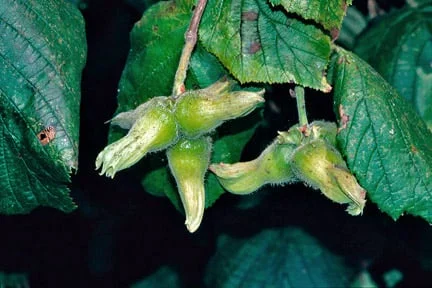
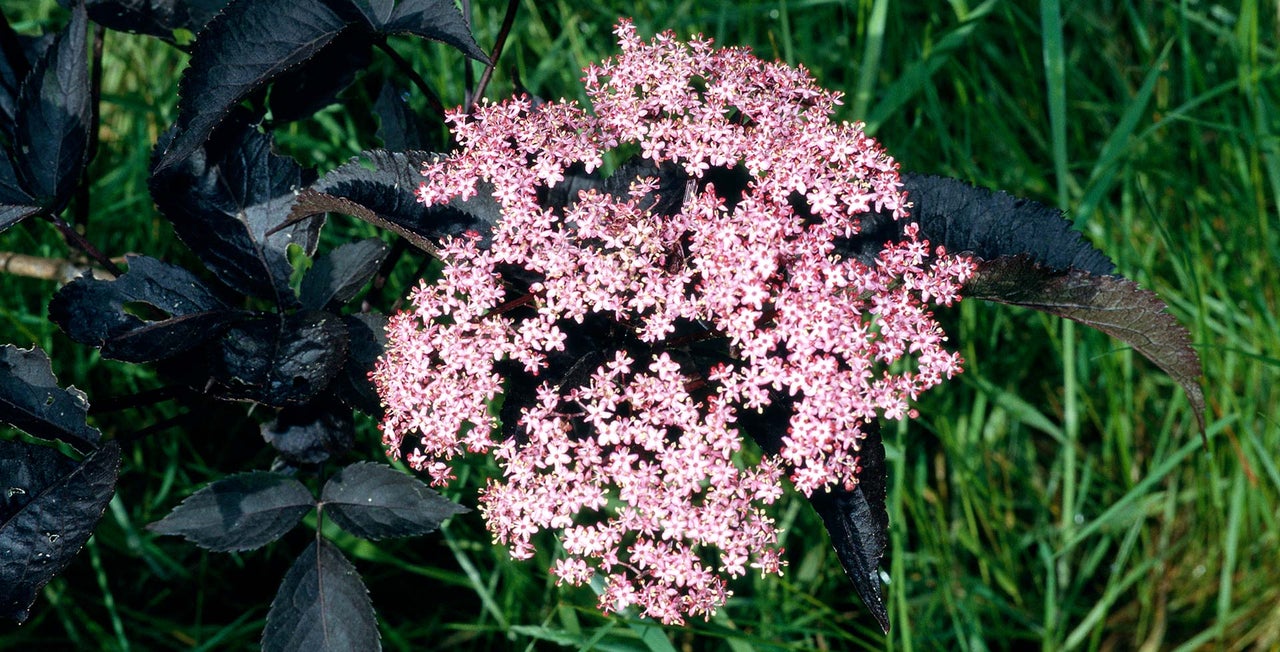
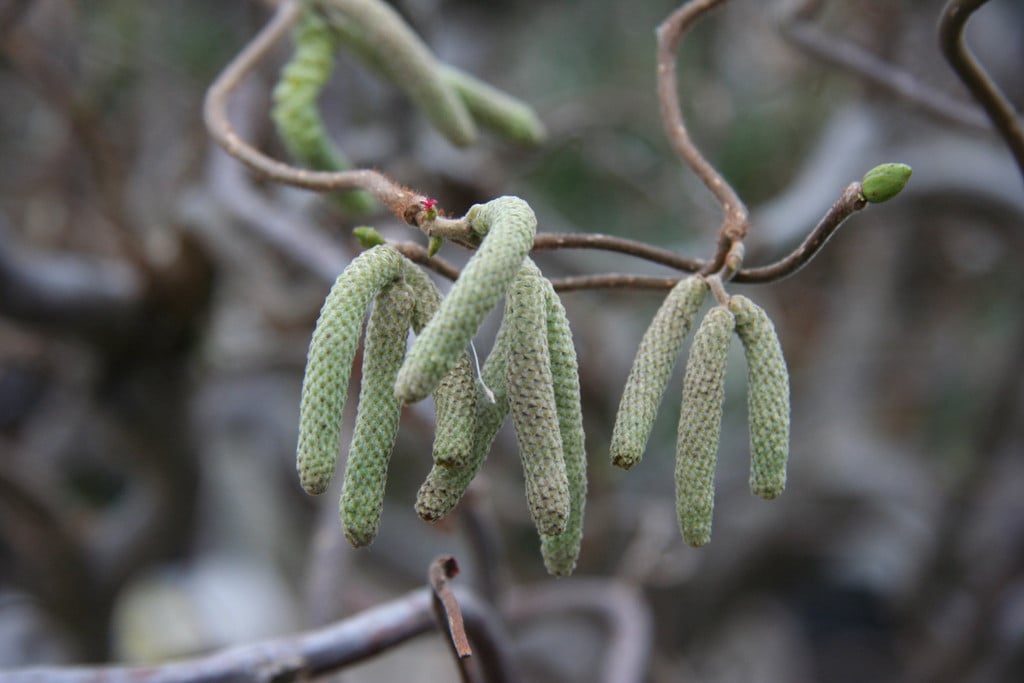
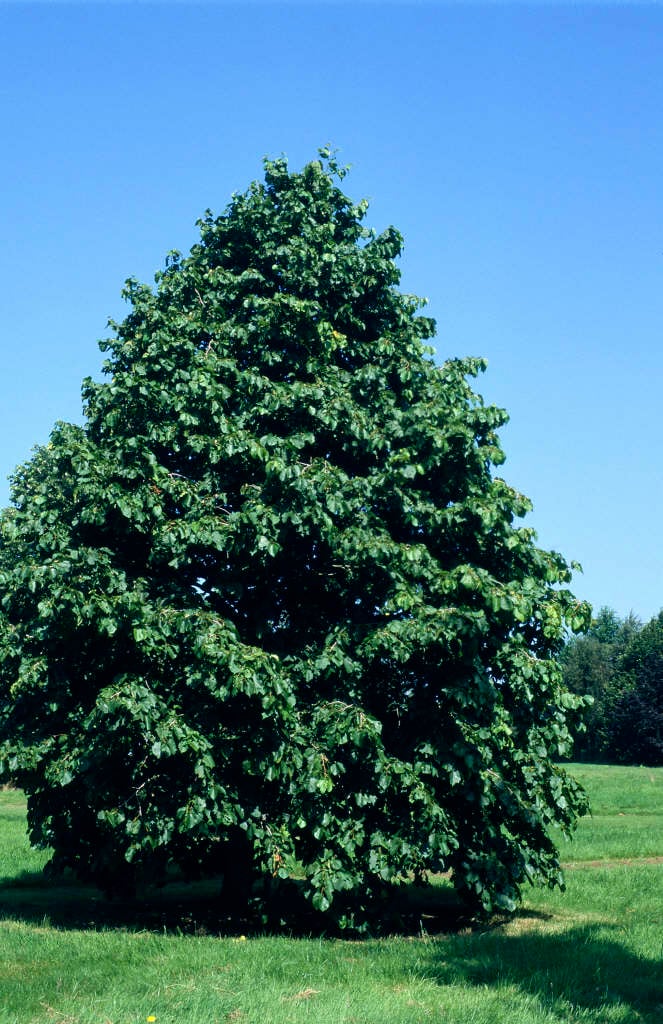
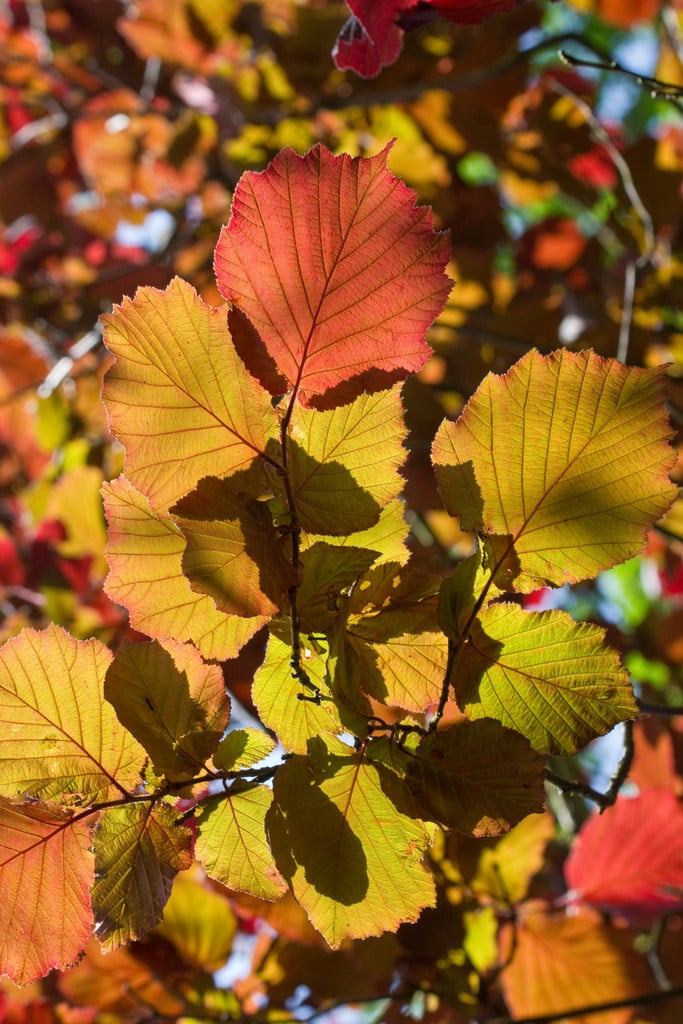
Hazel species vary in size, typically reaching 3-8m tall, with rounded leaves that turn yellow in autumn. They can make a graceful arching form if kept coppiced and make the perfect setting for spring flowers. Some varieties have deep red leaves and others have interesting, twisted branches.
Preferences
They thrive in well-drained, fertile soil in sun or partial shade. They appreciate shelter from strong winds and do well in mixed hedgerows or naturalistic planting schemes.
Dislikes
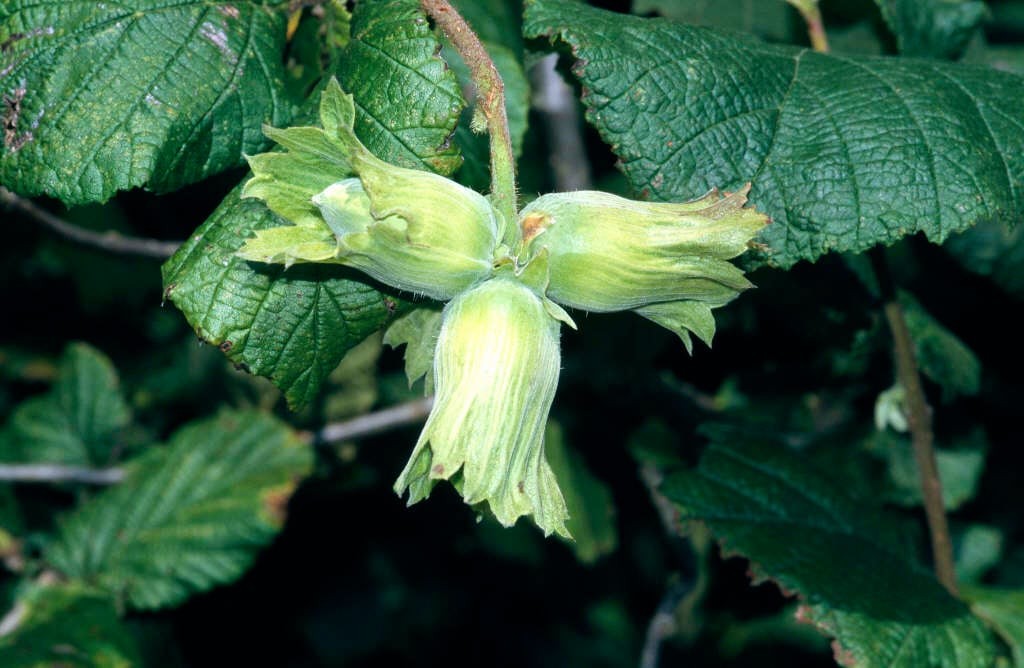
Hazels dislike waterlogged soils and may struggle in very dry or exposed sites. Heavy pruning at the wrong time can reduce nut production.
Did you know?
In folklore, hazel was a symbol of wisdom, and hazel twigs are used to this day for the traditional art of dowsing – finding water hidden underground.
RHS Growing Guide
FREE
Read our comprehensive free RHS Growing Guide:
How to grow shrubs

Introducing Hazel
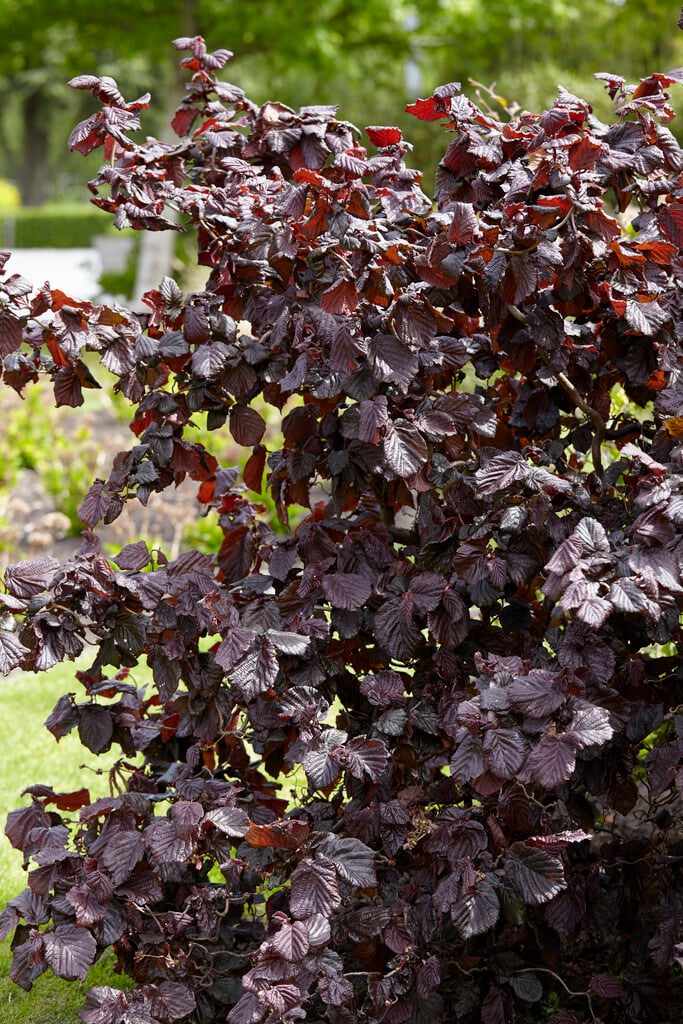
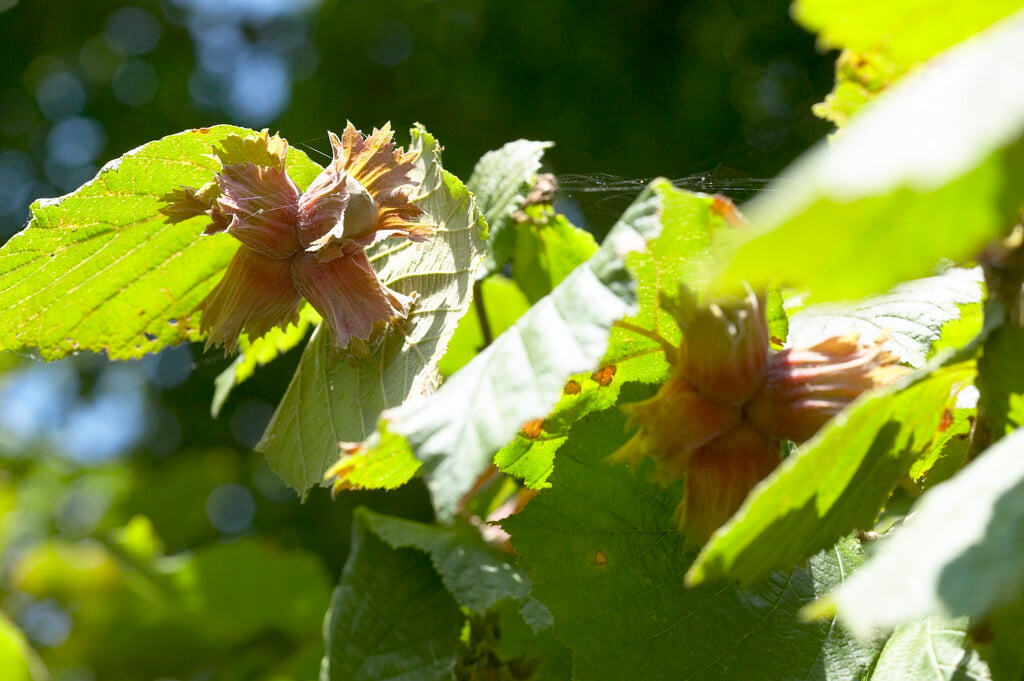
Corylus avellana 'Rotblättrige Zellernuss' (F)
hazel 'Rotblättrige Zellernuss'
- Height
- 2.5–4 metres
- Width
- 2.5–4 metres
x of x
Showing
x to x
of x