RHS/Joanna Kossak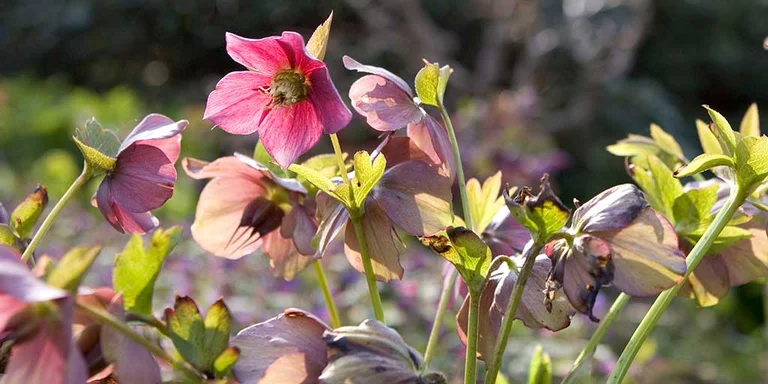

Appearance
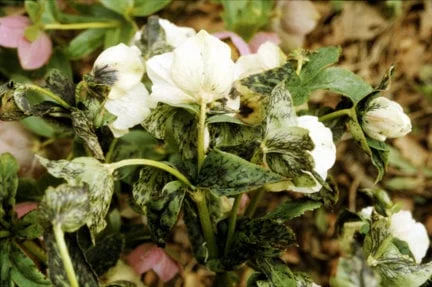
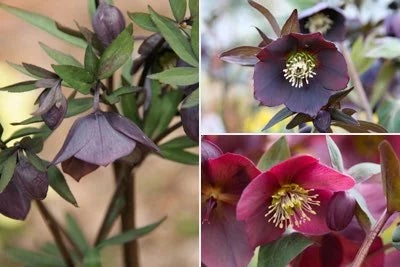
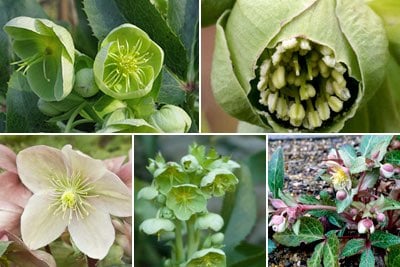
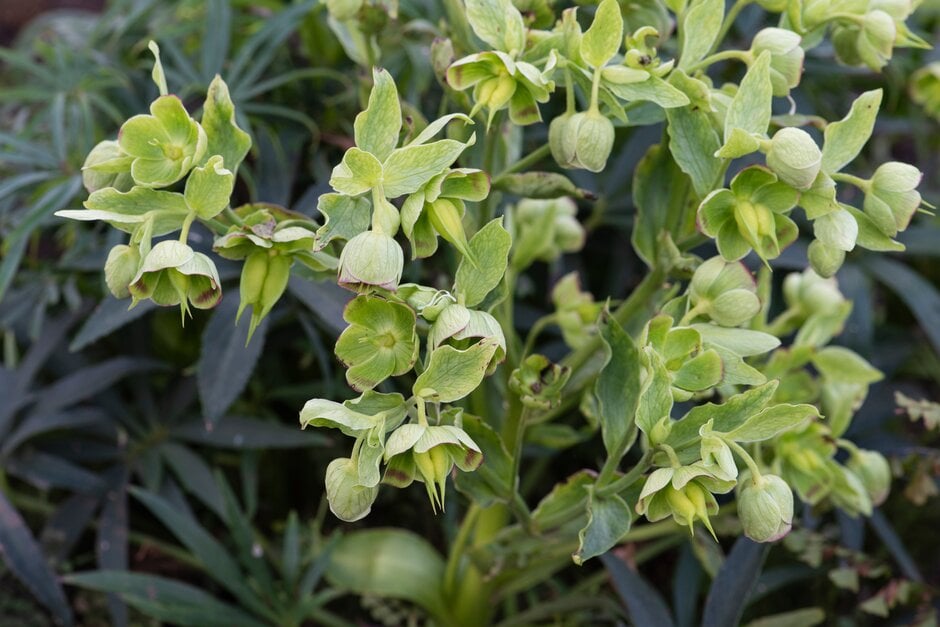
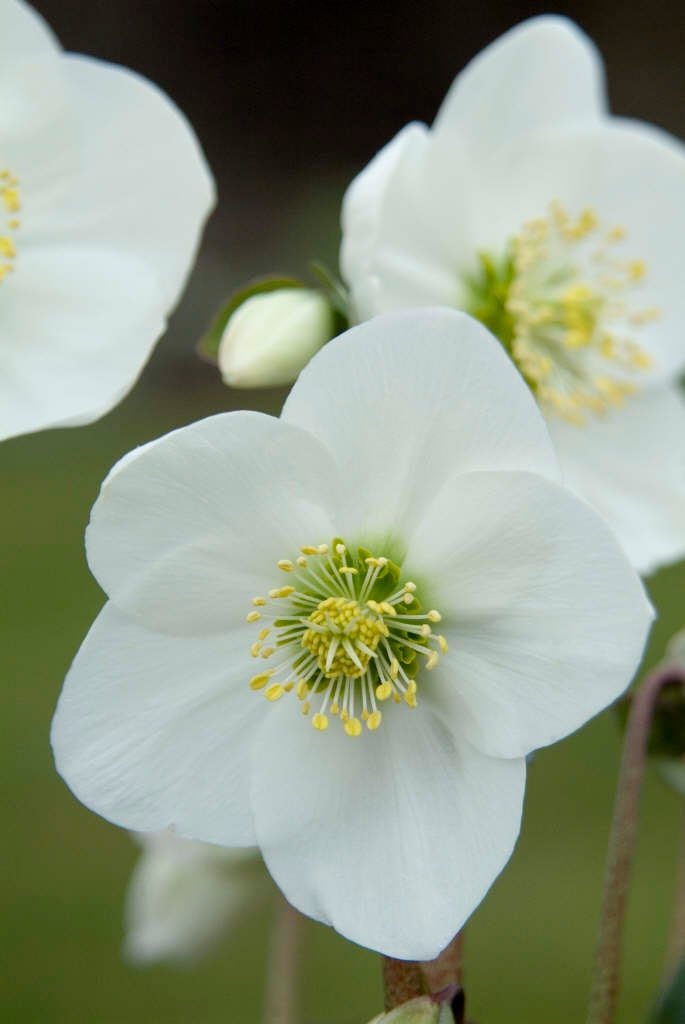
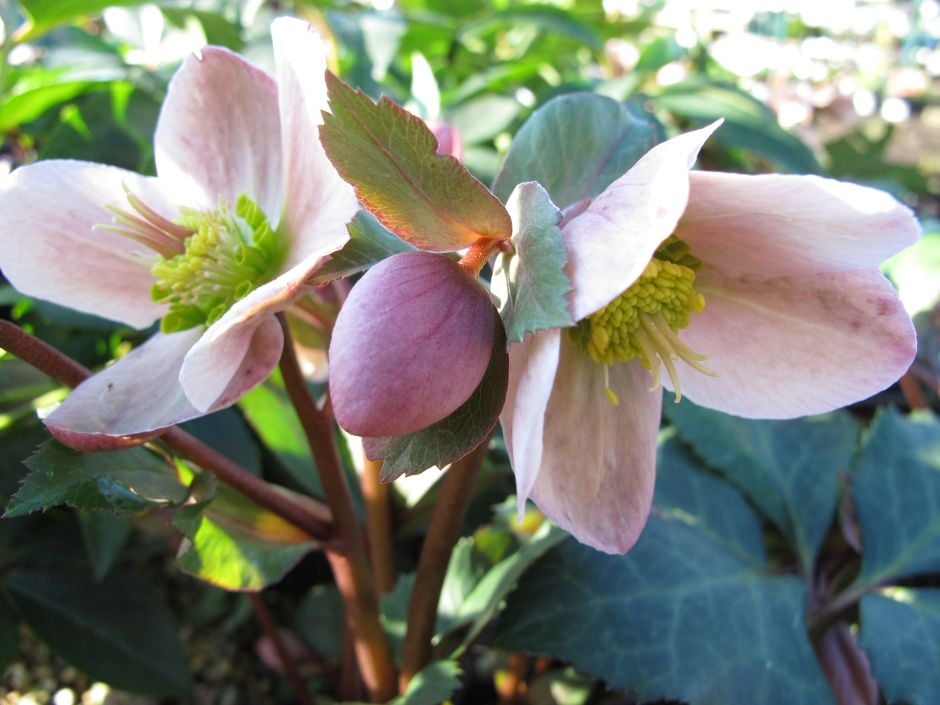
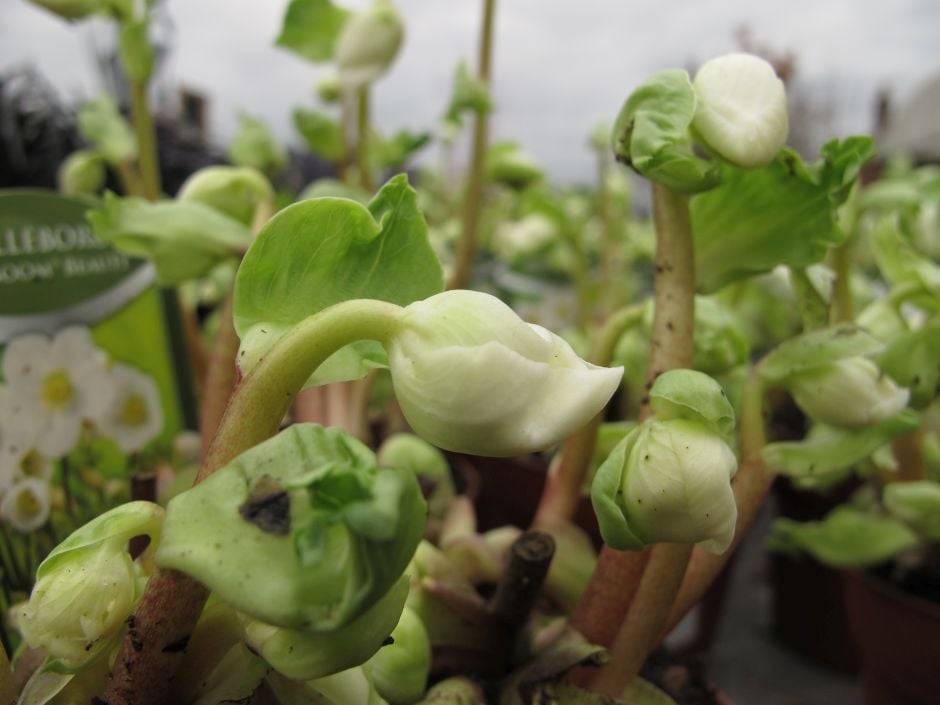
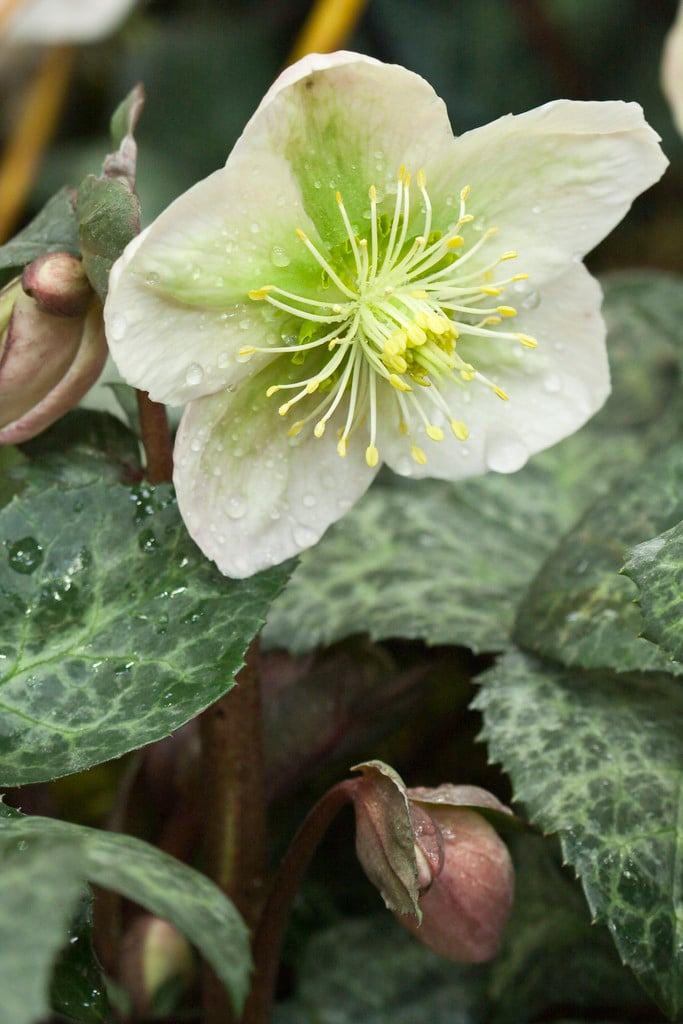
Nodding flowers in shades of green, white, pink or plum, or even blackish–purple, are set among clumps of leathery, evergreen leaves. Most hellebores are compact, 30–45cm (12–18in) tall, but bolder types, such as Helleborus argutifoliusand H. foetidus, can grow to 90cm (3ft).
Preferences
Hellebores grow best in fertile, evenly moist soil, although they should be fine in most soil types. While they prefer light shade, they’ll often cope in a sunnier spot as long as the soil doesn’t get too dry. The stinking hellebore (Helleborus foetidus) is happy in deep shade.
Dislikes
Hellebores dislike extremes – very wet or very dry soil is unsuitable, as is full sun, which can scorch the leaves in summer. The popular Oriental hybrids (Helleborus × hybridus) are hardy, but H. thibetanus, H. lividus and H. nigerare easily damaged by winter cold and wet.
Did you know?
Although often known as Christmas or Lenten roses, because they flower from late winter into spring, hellebores aren’t related to roses. Instead they belong to the buttercup family.
RHS Growing Guide
FREE
Read our comprehensive free RHS Growing Guide:
How to grow hellebores

Introducing Hellebore
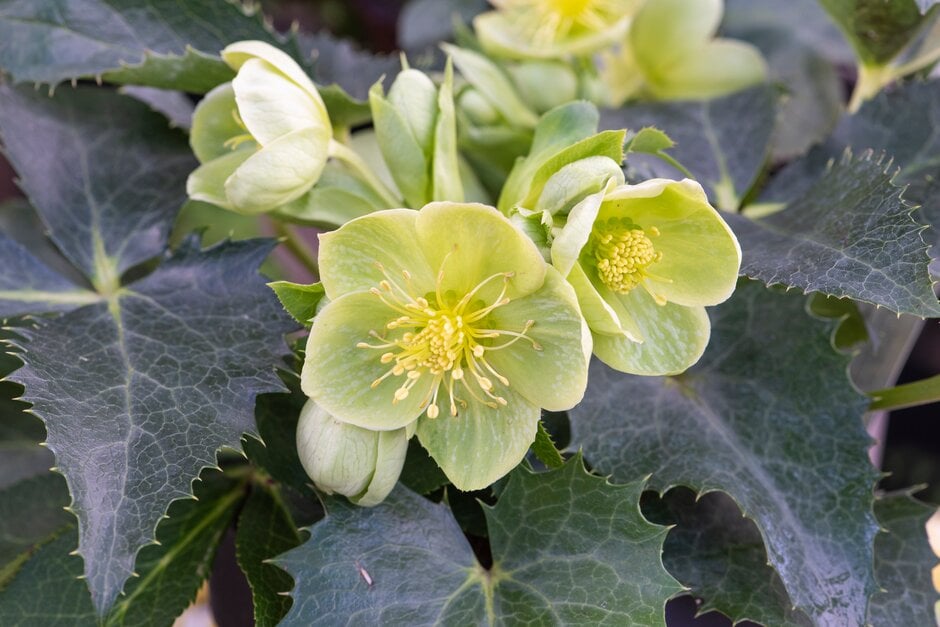
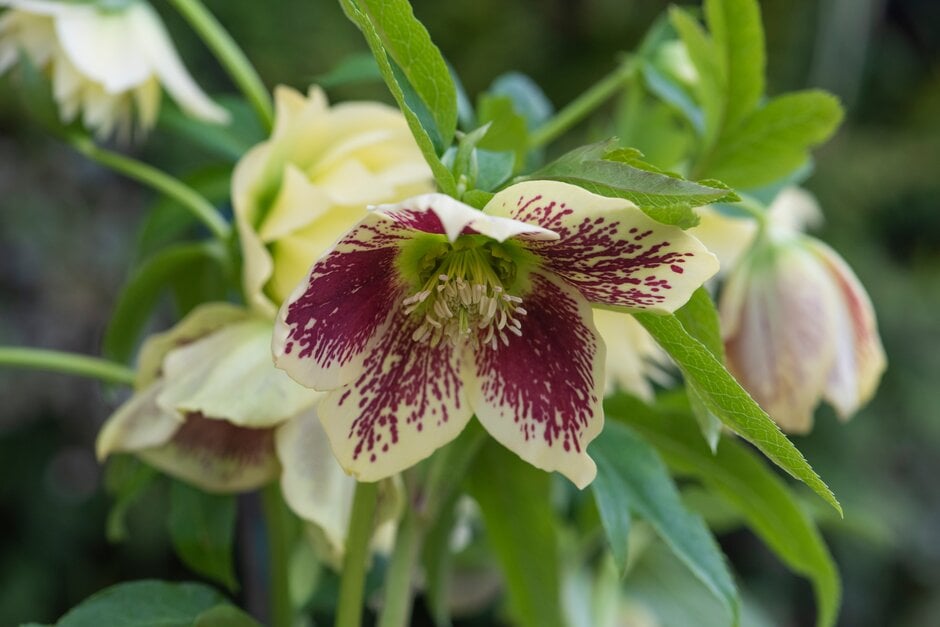
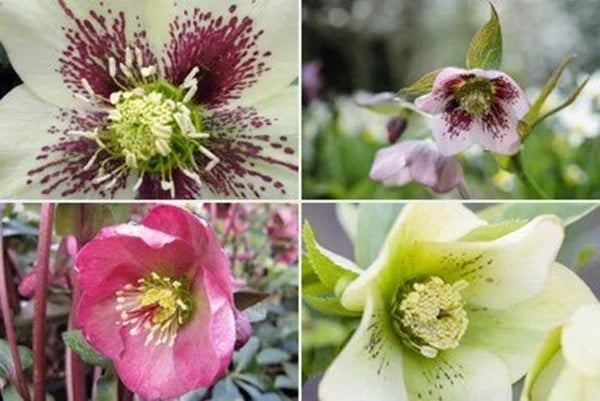
Helleborus × hybridus Harvington yellow speckled
hellebore Harvington yellow speckled
- Height
- 0.1–0.5 metres
- Width
- 0.1–0.5 metres
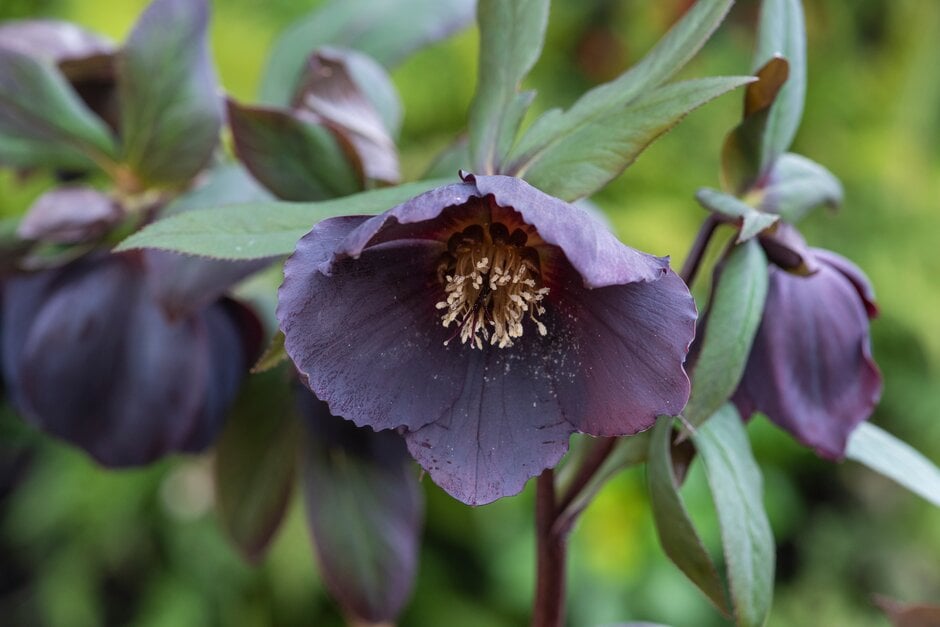
Helleborus × hybridus 'Harvington Shades of the Night'
hellebore 'Harvington Shades of the Night'
- Height
- 0.1–0.5 metres
- Width
- 0.1–0.5 metres
Helleborus × ericsmithii 'Winter Moonbeam'
hellebore 'Winter Moonbeam'
- Height
- 0.1–0.5 metres
- Width
- 0.1–0.5 metres
x of x
Showing
x to x
of x