Quick Facts
Well-suited for covering east- and north-facing walls and fences
1
Vigorous climbers once established
2
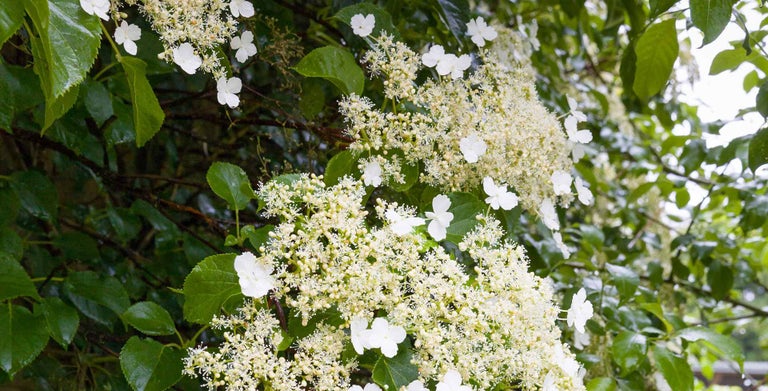
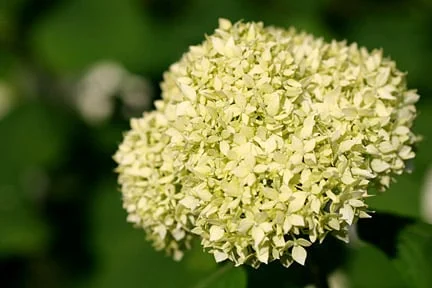
White flowers in summer on last year’s growth
3
Suitable for most soils with the exception of chalky or waterlogged
4
Grows well in shade or sun
5
Evergreens need a sheltered position
6
Prune after flowering in summer
7
Mulch in spring to reduce drought stress
8
Propagate by layering or from cuttings
9
Contact with foliage may aggravate skin allergies so wear gloves. All parts may cause mild stomach upset if ingested
10


Before you get started
Choosing a climbing hydrangea
Climbing hydrangeas are very useful climbers for covering shady walls of fences and the attractive white flowers in early summer are a welcome bonus. They can also be also let to climb into medium to large trees. The Hydrangea anomala subsp. petiolaris is hardy and easy to grow. Evergreen climbing hydrangeas Hydrangea seemannii and Hydrangea serratifolia offer an all-year-round interest, but they need to be grown in a warm, sheltered position to thrive. Though they are vigorous plants, to start with, they can be little slow. Climbing hydrangeas are not fussy about soil conditions, but they may struggle on excessively wet or chalky soils.
Buying a hydrangea
In garden centres, climbing hydrangeas can be found in the ‘climbing plants’ section. They are usually sold in 2-3 litre pots. Mail order plants may be smaller.
Planting
When to plant
Plant your climbing hydrangea soon after purchase. The best time to plant is in spring or autumn. Containerised plants can be planted all year round as long as the soil is not frozen, , or excessively dry in summer.
Support
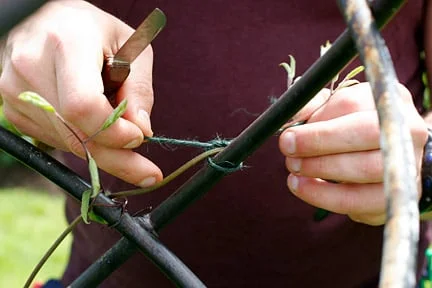
Though self-clinging, climbing hydrangeas usually need support such as wires or trellis to help them to get going. Tie in the new shoots until they form aerial roots that attach. Mature plants are heavy so start from the beginning with a sturdy support.
How to plant
- Water the pot well before planting
- If planting against wall or fence, allow about a 45cm (18in) gap between the plant and the wall. Otherwise, a 20-30cm (8in-1ft) gap is sufficient
- Make your planting hole as deep as the and three times wider
- The surface of the in the pot should be level with the surrounding soil to avoid planting too deeply
- Firm in well
- with to reduce drying out of the soil, but leave a 10-15cm (4-6in) gap around base
- Water in, using at least the equivalent of a large watering can of water
Where to plant
Ideally, plant your climbing hydrangea against a north- or east-facing wall or fence. A sunnier spot is fine, providing the soil doesn’t get too dry in summer. Evergreen Hydrangea seemannii and Hydrangea serratifolia need a sheltered spot as they are not fully hardy.
Though often slow growing to start with, they are vigorous climbers and one plant is sufficient to cover a house wall.
Ongoing Care
Watering
- Plants growing close to fences and walls tend to be in rain shadow receiving little rain, so keep an eye on their moisture levels and water in summer when dry
- Water newly planted climbing hydrangeas regularly during the first few of years when rain is lacking, from spring to summer, until fully established
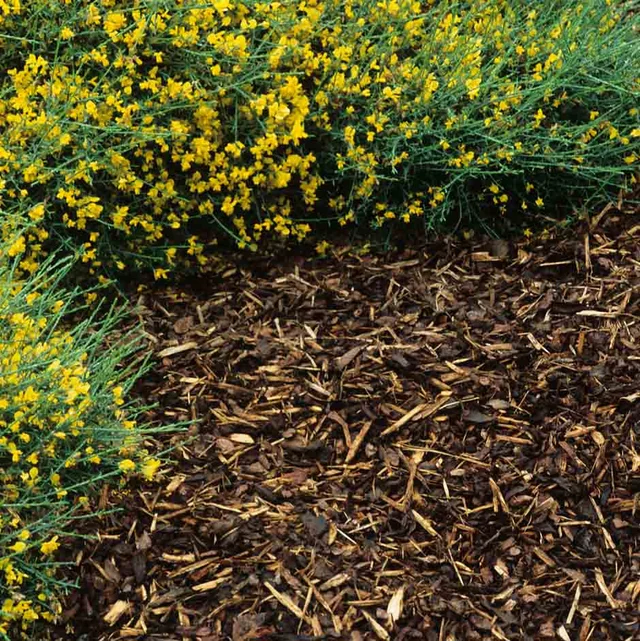
- Reduce drying out of the soil by annual mulching with organic matter, such as leaf mould, garden or manure-based soil conditioner
Feeding
- Regular feeding of is not generally need unless they are struggling. However, poor growth may also be caused by soil dryness rather than lack of and mulching and watering will be more helpful
Pruning and Training
Routine pruning
- Climbing hydrangeas produce flowers on last year’s shoots. To ensure that the plant have enough time to develop flowering wood for the next year, prune in summer straight after flowering
- Prune back the flowered shoots and shortening any overlong new growth
- Most flowers are formed towards the top of the plant, so try to leave as much of this un-pruned as possible or just lightly trim
Renovation pruning
- Hard pruning will reduce flowering for the next couple of summers
- Instead of severe reduction, consider renovation in stages over three or four years, reducing the size of the plant gradually
- will tolerate hard pruning in spring
Propagating
They are easily propagated by layering.
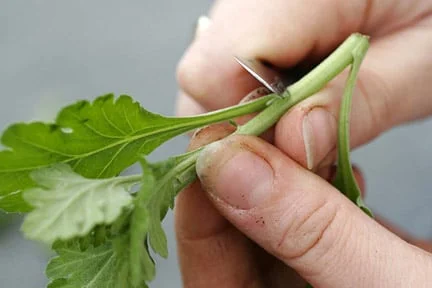
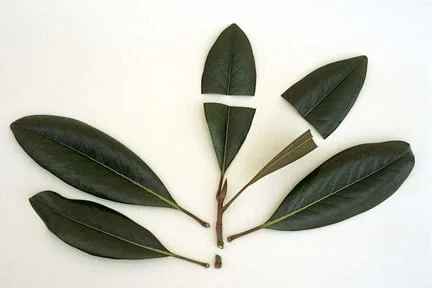
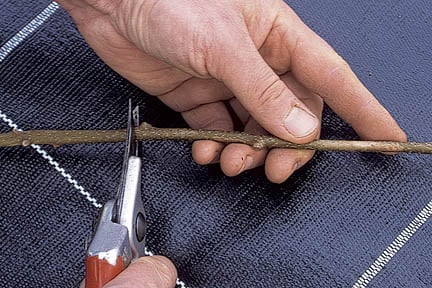
Propagate from . Take from late spring to mid-summer, semi-ripe cuttings in mid-summer and or hardwood cuttings in winter
Species hydrangeas can also be propagated from seed in spring.
Problems
Lack of flowers can be caused by;
- Young plants often taking three to five years to start flowering
- Excessive summer pruning or pruning later in the season as the flowers are formed on the last year’s growth
Frost damage
Last year’s shoot tips can be damaged by hard frost. In spring, lightly trim back any badly damaged shoots.
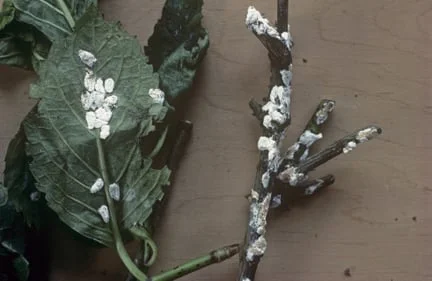
Hydrangea scale
Most noticeable in early summer when stems and leaves are covered with white, waxy, flat ‘blobs’.