RHS
RHS Appearance
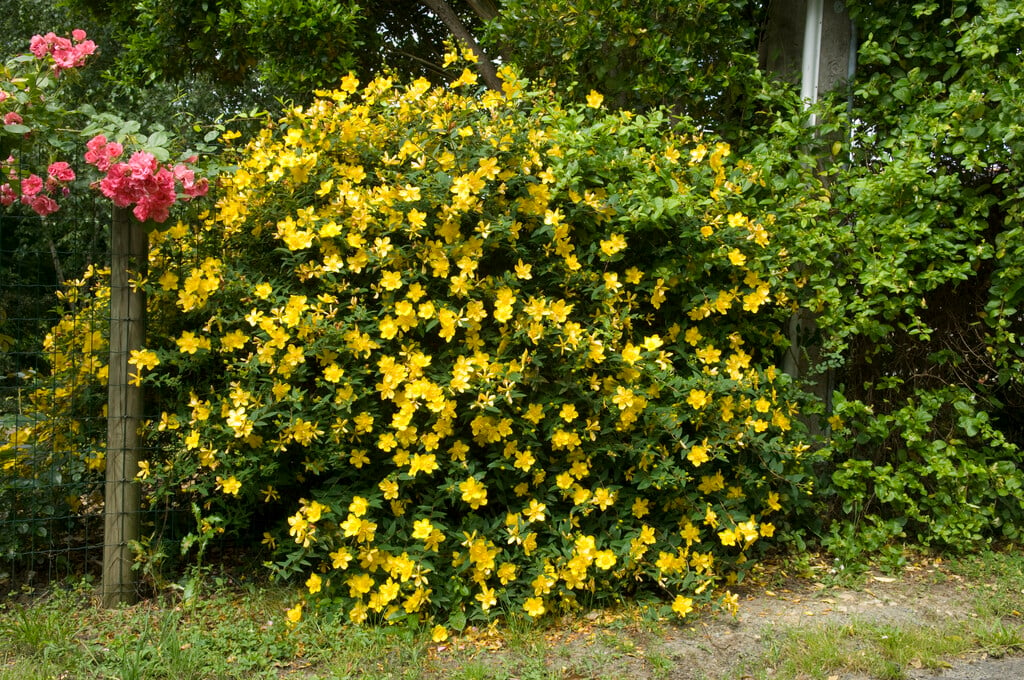
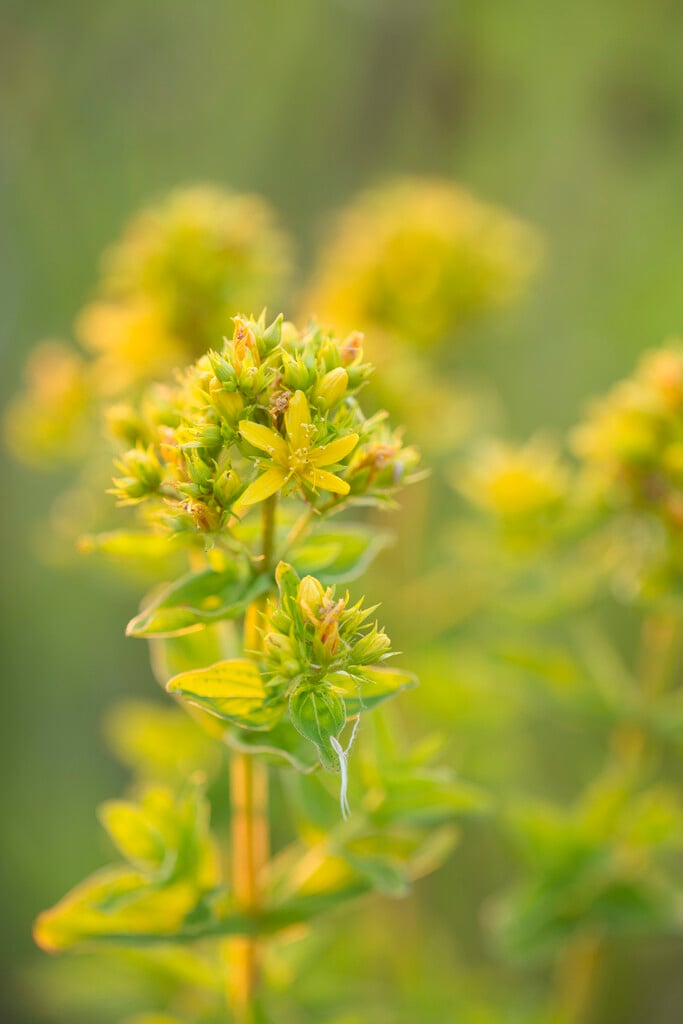
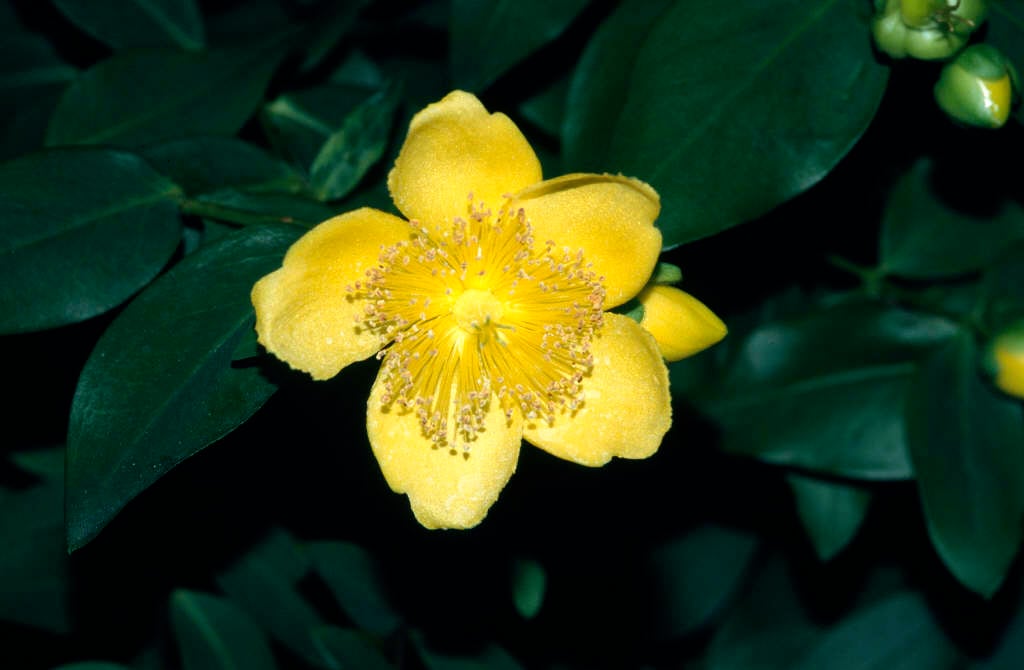
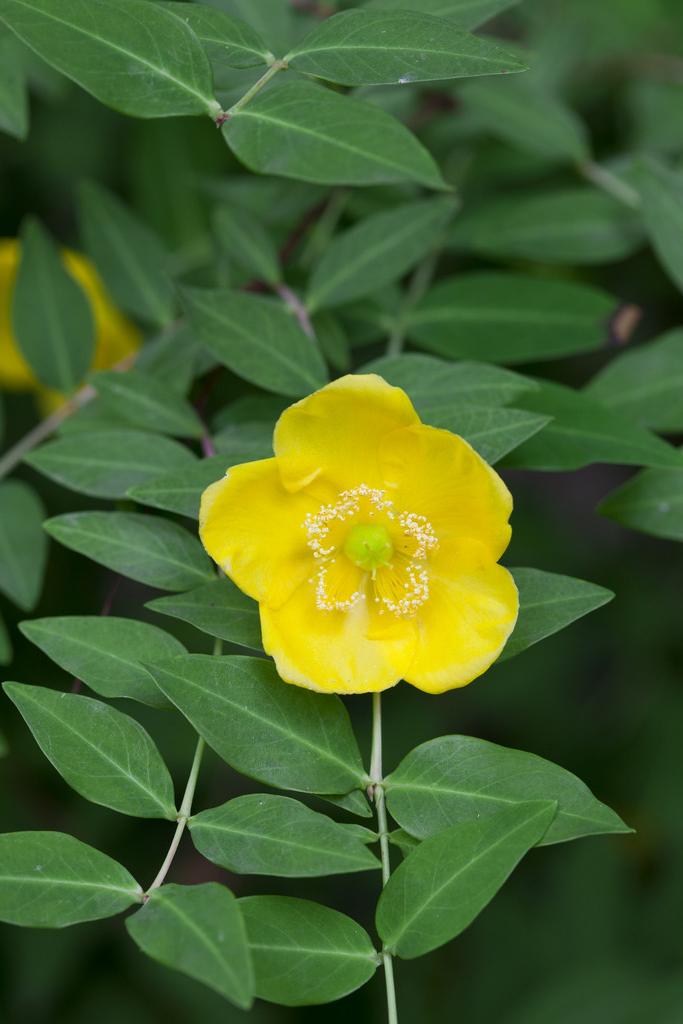
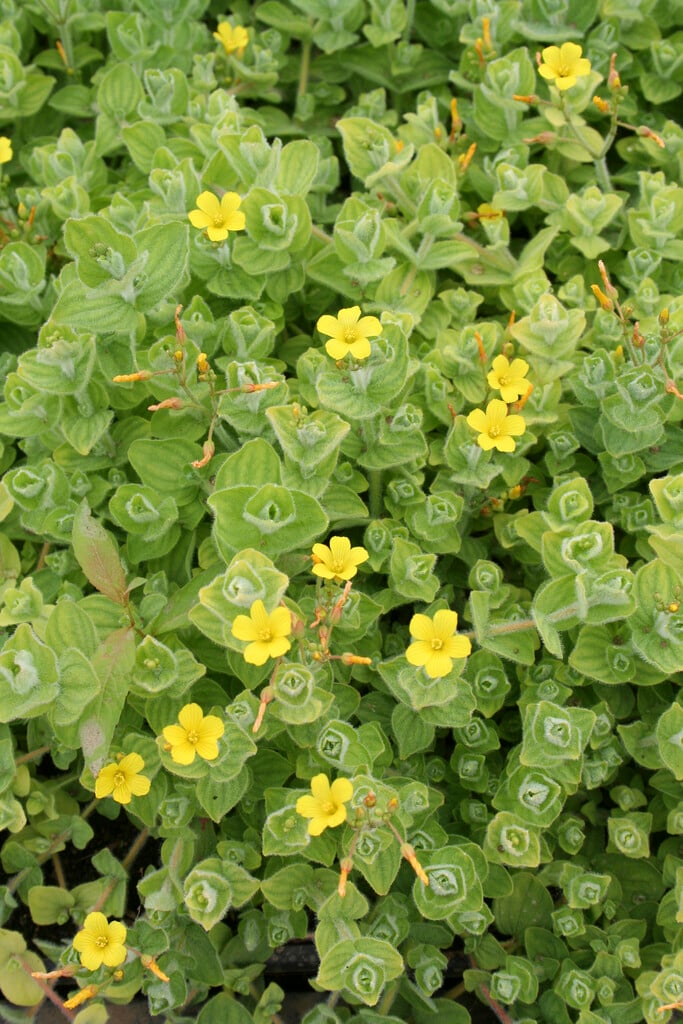
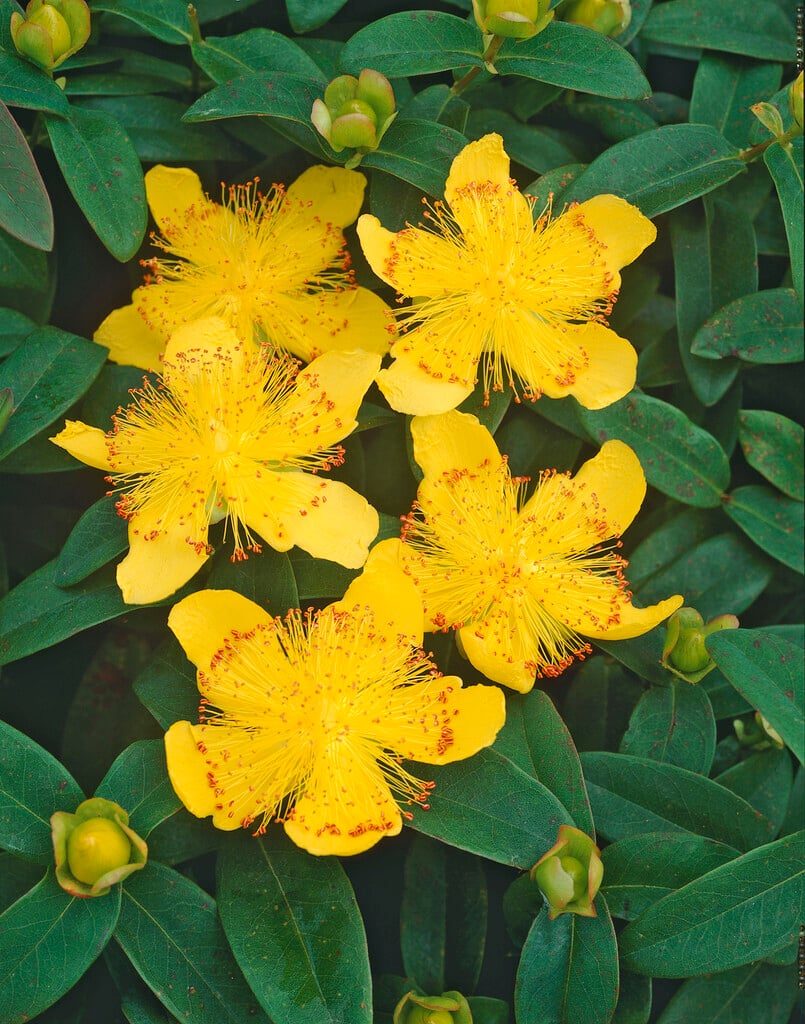
Hypericum have golden-yellow, five-petalled flowers with prominent stamens often followed by long-lasting, colourful berries ranging from cream, yellow and red to black, surrounded by a green calyx ruff. Shrubs may be deciduous or evergreen and range in size from rock garden plants like creeping Hypericum reptans at just 5cm to Hypericum ‘Rowallane’ at nearly 2m.
Preferences
Most thrive in sun or partial shade; Hypericum calycinum will tolerate full shade, whereas the dwarf, alpine types need full sun. They are happy on most soil types, provided drainage is reasonable, an exception being the bog-loving perennial Hypericum elodes.
Dislikes
Poorly drained or waterlogged soils can lead to root problems for most Hypericum, and dense shade will generally reduce flowering and result in leggy growth towards the light.
Did you know?
The name ‘St John’s wort’ comes from the tradition of gathering the flowers on St John the Baptist’s Day, 24th June. More recently the colourful fruits have become popular in floristry, with varieties specially bred for the purpose.
RHS Growing Guide
FREE
Read our comprehensive free RHS Growing Guide:
How to grow shrubs

Introducing Hypericum
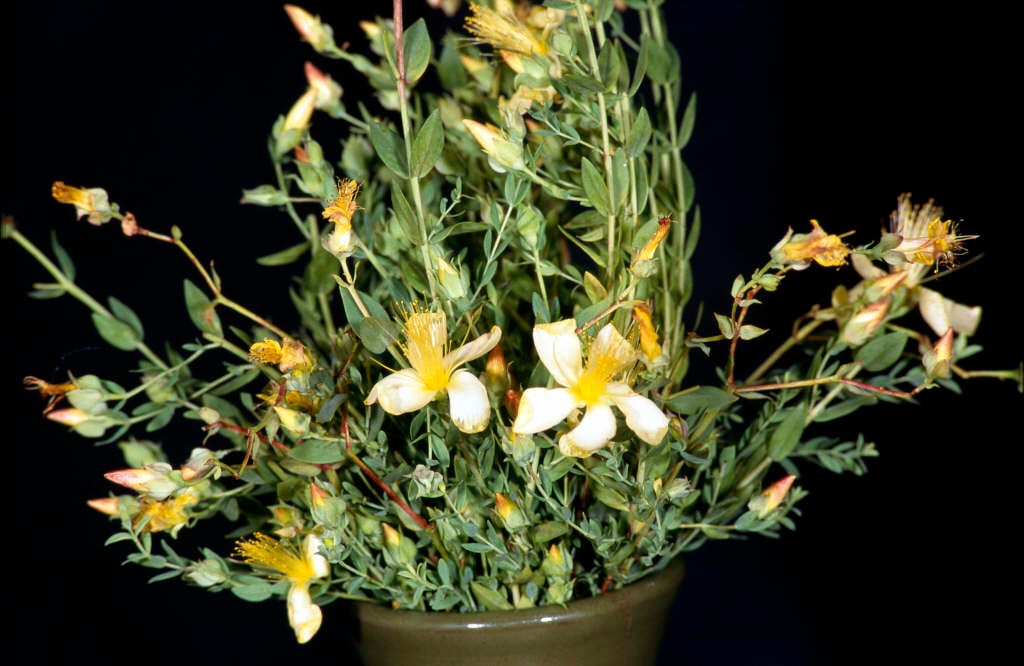
Hypericum olympicum f. uniflorum 'Citrinum'
St John's wort 'Citrinum'
- Height
- 0.1–0.5 metres
- Width
- 0.1–0.5 metres
![tall tutsan [Magical Beauty]](/_image?href=https%3A%2F%2Fapps.rhs.org.uk%2Fplantselectorimages%2Fdetail%2Frera05237.jpg&w=300&h=192)
Hypericum × inodorum [Magical Beauty] ('Kolmbeau') (Magical Series)
tall tutsan [Magical Beauty]
- Height
- 0.5–1 metres
- Width
- 0.5–1 metres
x of x
Showing
x to x
of x