Quick Facts
Lilies add colour and create focal points in garden borders and containers
1
They are easy to grow in most well-drained garden soils
2
Bulbs are planted in autumn or spring, in sun or partial shade
3
All parts of lilies are poisonous to cats and bulbs are a potential risk to all pets
4


Before you get started
What is a lily?
Lilies grow from , producing straight, upright stems with narrow green leaves that are topped with large flowers. A popular summer-flowering garden plant, they have been widely bred to produce thousands of cultivars. This means there is a huge range of colours from pastel shades to the bright and vibrant, and some flowers are scented. Flower forms vary from the large trumpet-shaped Oriental lilies to the more diminutive recurved flowers of the Martagon lilies. Height can vary too, from 30-40cm to more than 2m, so it is possible to find a lily to suit most gardens.
Choosing
Lilies are divided into groups or divisions according to their form and flower type. Lilies commonly grown in gardens include:
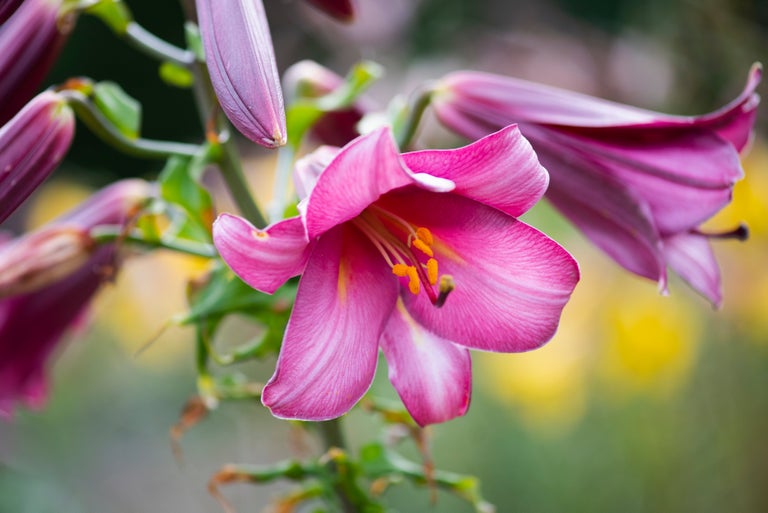
- Oriental lilies: Large flowers, mostly shades of pink, white and yellow, and highly scented. Best for or containers of peat-free .
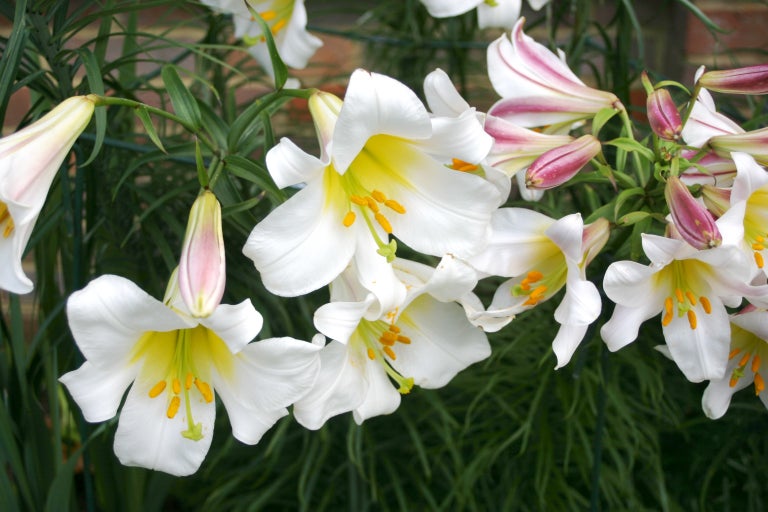
- Trumpet lilies: Scented flowers. Grow on most soils.
- Tree lilies: A between Trumpet and Oriental lilies. They can reach 2.5m high and have multiple scented blooms on each stem. Grow on most soils.
- Asiatic hybrids: Very tough and easy to grow, do best in slightly . The brightly coloured flowers, ranging from vivid yellows through to red, are unscented.
- Longiflorum hybrids: Happy on most soils and have scented flowers.
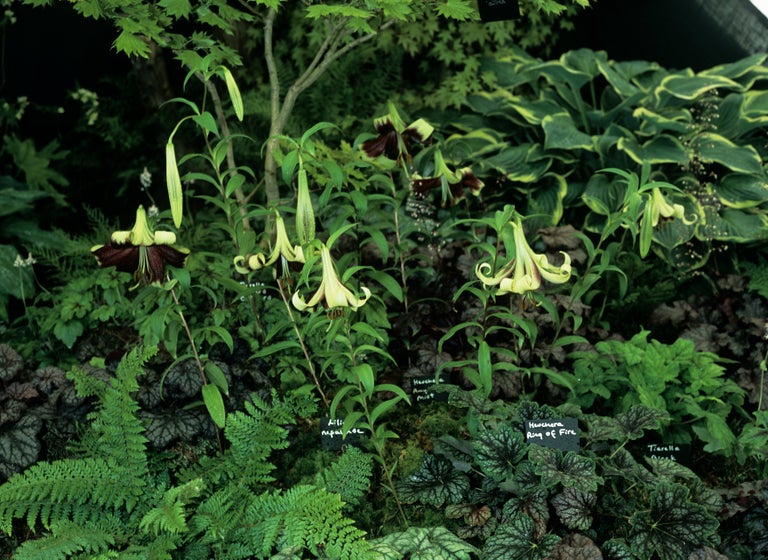
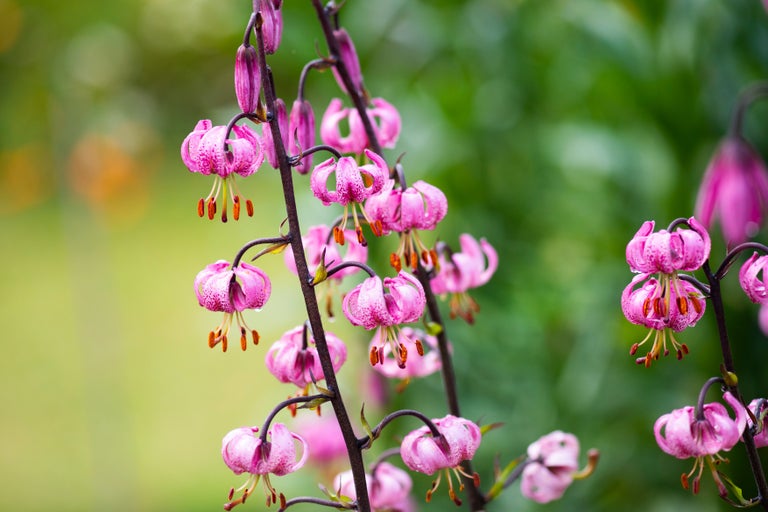
- Martagon hybrids: Smaller, reflexed, Turk’s cap flowers, sometimes scented. Grow best on humus-rich soils in light shade.
As there are so many lilies, the selection can be overwhelming. To help to narrow the choice, consider the following:
Flowers
- Flower size and colour vary from large, brightly coloured trumpets, funnel- or bowl-shaped flowers that create pops of colour in the garden, to the more delicate Turk's cap lilies. Choose colours and shapes that complement other plants in your garden.
- For the brightest flowers in shades of yellow, orange and red, choose Asiatic lilies. For more subtle pastel shades, go for Oriental lilies.
- If scent is important, plant Oriental or Trumpet lilies, as they have highly scented flowers.
- Choose a pollen-free lily if you are allergic to pollen; these have double flowers as the stamens are replaced by extra petals. Lily pollen can stain, so these are also good cut flowers.
Height
- Most lilies are between 1m and 1.5m tall, but heights vary, so check before buying.
- ‘Tree lilies’ like L. 'Conca d'Or' are tall and dramatic with dozens of flowers on stems as tall as 2.5m.
- Many Asiatic lilies, such as L. 'Grand Cru', and Oriental hybrids like L. 'Orange Pixie' are shorter, at around 50-60cm, and are well suited to containers.
Buying
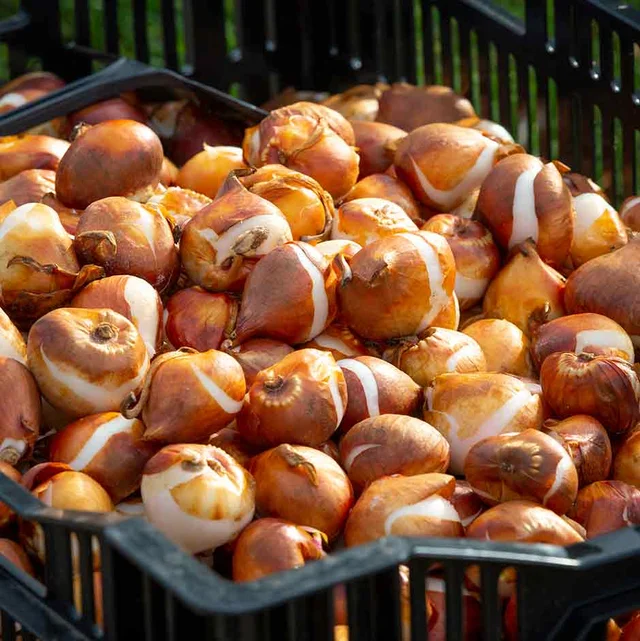
Lilies are sold as bulbs in garden centres and by mail order in spring and autumn. Bulbs are either sold loose or pre-packed, with a picture and growing instructions. Choose bulbs that are a good size, plump and disease-free. Avoid any that are mouldy, withering or have weak shoots.
If you miss out on buying and planting bulbs, you may find a limited range of ready grown potted lilies available in garden centres during summer.
For help choosing and buying the right lily for you:
- Visit your local garden centre; they will stock a range of lilies.
- Choose lilies that have received the RHS Recommended: Award of Garden Merit as these have been tested and grow well in most garden situations.
- Go to RHS Find a Plant for a wide range of lilies and their suppliers.
- Visit specialist lily nurseries online or at RHS shows, such as Edrom Nurseries, Harts Nursery, H.W. Hyde & Son, Jacques Amand International.
- Search for Lilium National Collection holders or RHS Lily Group online.

Planting
Where to plant
Most lilies prefer neutral to slightly acid soils; although some are lime-tolerant, so check if your lily needs specific soil conditions.
- Oriental lilies grow best in acid soils.
- Asiatic hybrids prefer alkaline soils.
- Longiflorum hybrids and trumpet hybrids will grow in most soil types.
Lilies don't grow well in heavy clay, poorly drained or soil as the will rot. If your garden soil isn't suitable, you can still grow lilies in containers.
Lilies will grow in sun or partial shade, but do best where their roots are shaded and not overcrowded. They don't thrive in heavy shade.
When to plant
Ideally, plant lilies in early autumn, so they can establish a good root system before winter, or plant when bulbs are available in spring. For best results, plant bulbs immediately after purchase to prevent them drying out. Lilies planted after spring will flower later but will revert to their usual flowering cycle the next year.
How to plant
Plant bulbs with their basal plate (which has hair-like roots hanging down from it) facing downwards, and the pointed tips of the bulb scales facing upwards.
- Some lilies, such as Asiatic hybrids, root from the base of the bulb only (basal-rooting). Others, including L. formosanum var. pricei, L. lancifolium and L. longiflorum 'White Heaven', produce roots from the base of the bulb as well as up the stem, just above the bulb (stem-rooting).
- Plant basal-rooting lilies, or any lilies where you are unsure of the type, at a depth equal to the height of the bulb. Plant slightly deeper on light sandy soils.
- Plant stem-rooting lilies at a depth roughly two-and-a-half times the height of the bulb.
- Space bulbs 15cm, or three times the diameter of the bulb, apart.
- Plant species lilies with smaller bulbs, such as L. pumilum, 8cm deep and 10-15cm apart.
- Lilium candidum has large, loose-scaled bulbs and is planted with the ‘nose’ or point, close to the soil surface, spacing bulbs 20-25cm apart.
- Rhizomatous bulbs, such as L. pardalinum and its hybrids, should be planted 10cm deep and 30cm apart, as they will spread.
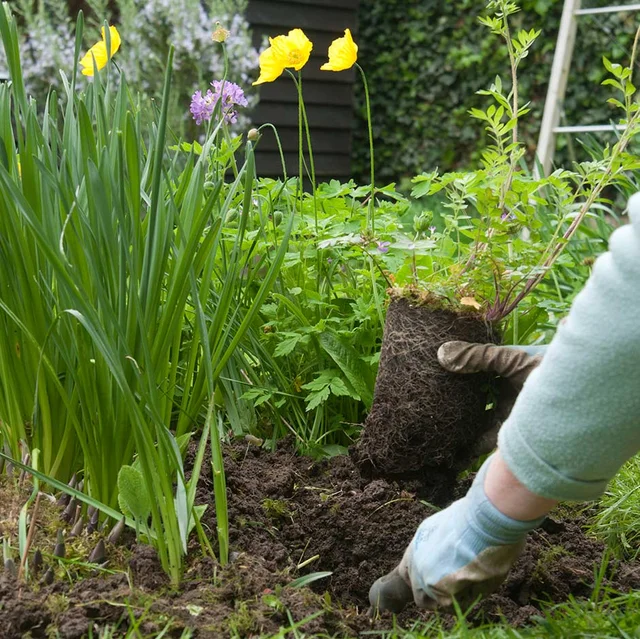
Some lilies can grow to more than 2m tall and will need to be staked. Place the stake in the ground before planting to prevent damaging the bulb.
Planting lilies in containers
Lilies are easy to grow successfully in containers provided the is kept moist.
- Select containers with a good depth for root development and plenty of drainage holes, to prevent waterlogging.
- Taller lilies can reach 2m or more in height so plant into large, heavy containers for stability. In windy conditions, tall lilies will need staking and placing in a sheltered spot.
- Choose a container large enough to allow 5cm between bulbs and also between bulbs and the edge of the pot.
- As a general guide, plant three bulbs in a 35cm pot. This creates a good display and the volume of compost is easy to keep moist, promoting good growth and flowering.
- Fill pots with a good quality peat-free multi-purpose compost or a peat-free John Innes No 3 and add up to 25 per cent grit for drainage.
- Pot lime-hating lilies (e.g. L. auratum and L. speciosum) into peat-free compost.
- Repot in autumn when the foliage dies down, or transfer bulbs to the garden. In larger containers, you can grow lilies for a second season in the same pot, but replace the top 5cm of compost with fresh compost.

Ongoing care
Watering
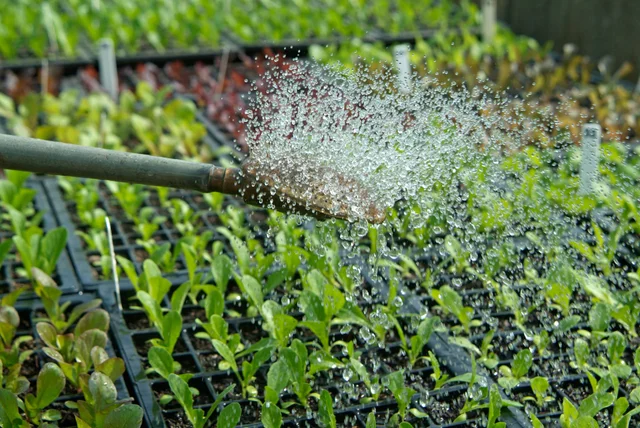
For best results, don’t allow lilies to dry out or become .
In containers:
- Keep moist after planting.
- Once growth begins in spring, the lilies will need more water, so check the compost regularly and water when the compost is dry a few centimetres below the surface.
- After flowering, continue to water plants until the leaves yellow and die naturally.
- During winter, keep the compost just moist but don’t allow the containers to become waterlogged.
In the ground:
- Lilies in the ground should only need watering in very dry periods during summer.
Feeding
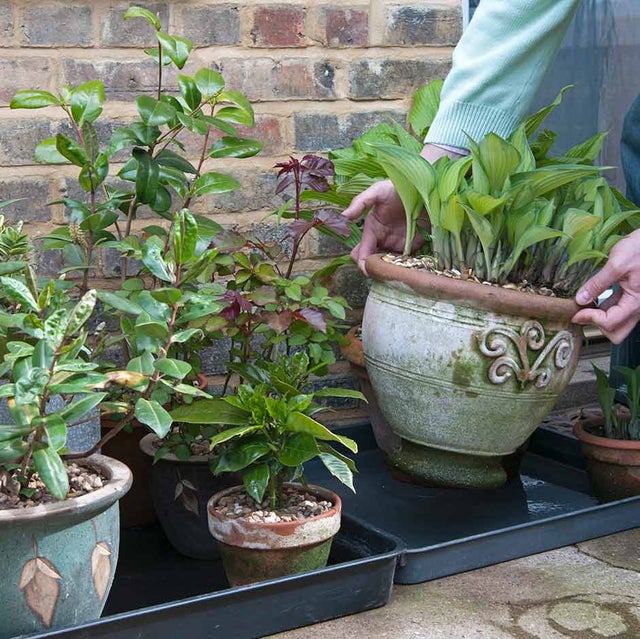
For good flowering in future years, feed plants in containers with liquid, high-potassium fertiliser (such as ) every two weeks during the until the leaves begin to yellow.
Mulching
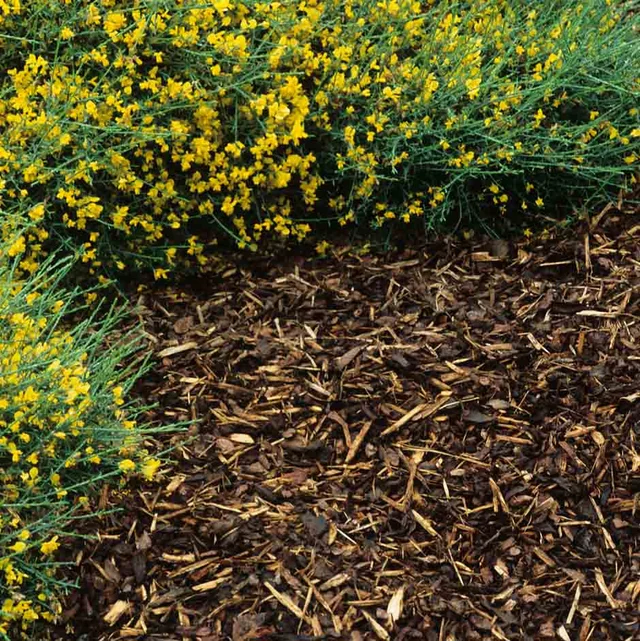
borders and woodland areas with a 7.5–10cm layer of well-rotted garden compost or leafmould in spring. This will improve the soil and help retain moisture.
Staking
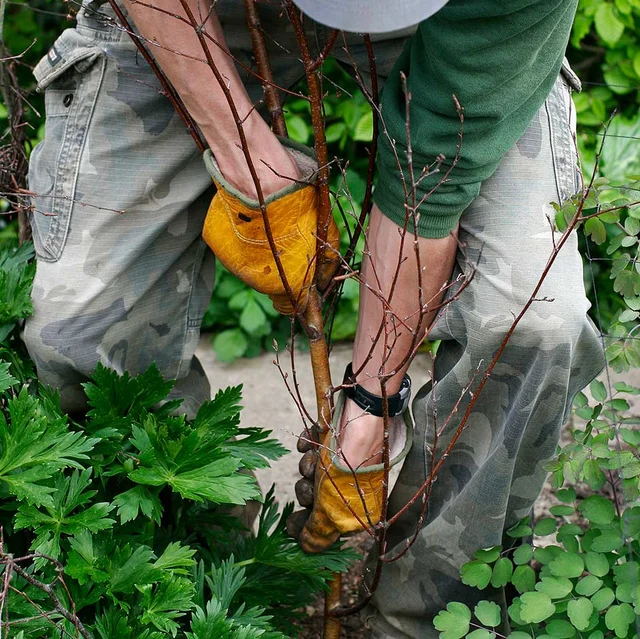
Tall lilies may need staking, especially in windy conditions. To avoid damaging the , it's best to put stakes in place at planting time.
Deadheading
When the flowers fade, cut the stem just below the faded flowers. Continue to water and feed lilies in pots until the stems die down naturally; this will help to ensure good flowering next year. At the end of the season, cut the dead stem off at ground level.
Overwintering
Lilies in borders:
Lilies are usually hardy, so they don’t need any special care over winter in borders and woodland areas.
Slightly less hardy lilies, such as Lilium nepalense, are best protected with a thick mulch of organic matter.
Lilies in containers:
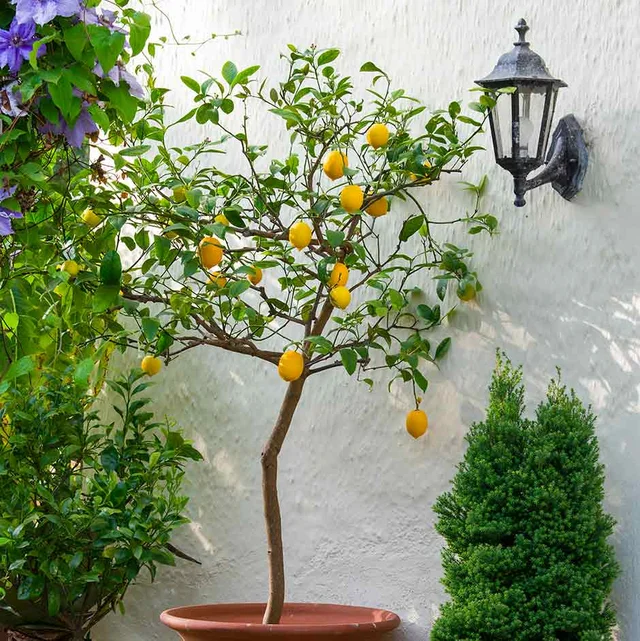
- In mild areas, most lilies are fully hardy and containers can remain outside. To prevent waterlogging, place them near the base of a wall for shelter from the worst of winter rains
- In cold areas or for more tender lilies, move containers to a light, frost-free place. This might be a cool greenhouse or coldframe. If you don't have a suitable place, put them against a south- or west-facing wall and cover the pot with or hessian from November to March.
Pruning and training
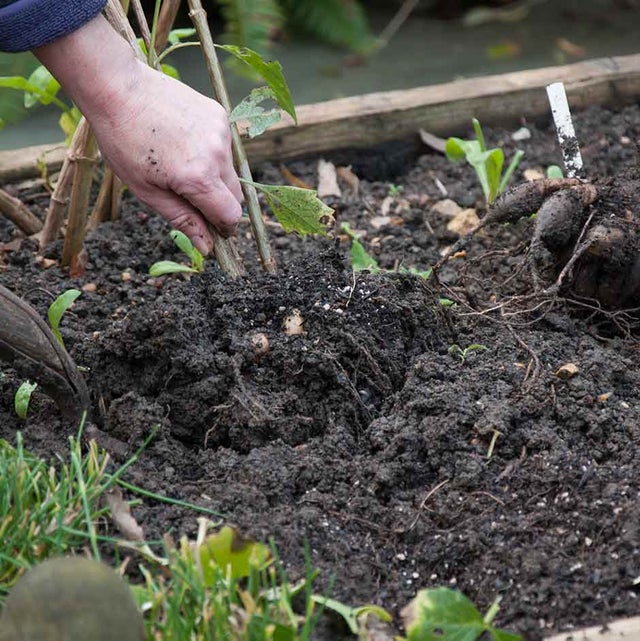
Cut dead stems down to soil level at the end of the . See Ongoing Care (above) for information on staking plants and flowers.
Propagating
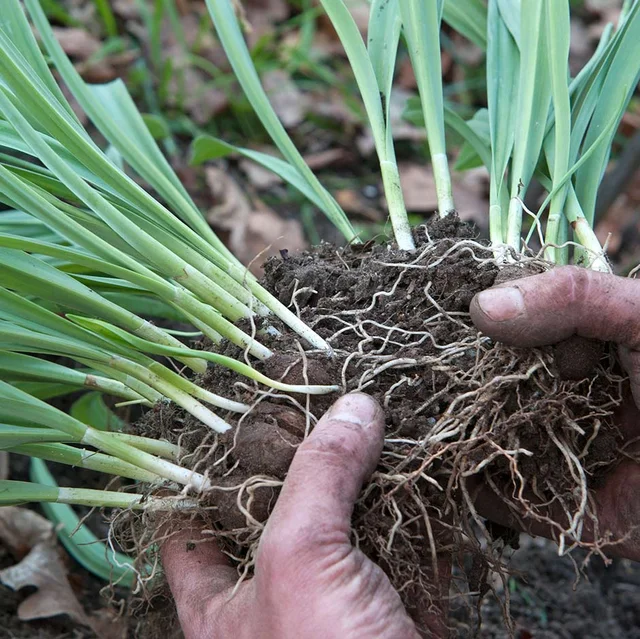
You can propagate lilies from seed, bulbils and scales.
From seed:
- To collect lily seeds, allow the seed pods to ripen and turn brown before harvesting.
- When ripe, the pods will begin to crack at the top and you will be able to see the disc-shaped seeds inside.
- Seed germinates best when sown fresh, although leaves won't appear until the following spring. Lilium henryi and Lilium martagon are easy to propagate from seed.
- Plants grown from seed are unlikely to resemble the parent plants.
From bulbils and scales:
See our RHS guide to propagating .
Problems
- During winter, in heavy, poorly drained soils may be damaged by slugs or rot.
- If lilies are growing towards the light and need staking, they may be in too much shade, so move bulbs in containers to a sunnier position. Bulbs in the ground can be moved when the foliage dies down in autumn.
- Lily beetle, slugs and aphids may feed on the leaves.
- Vine weevil larvae can damage roots in containers.
- Lilies can be affected by fungal and viral diseases, for more information see lily diseases.
If you’re a member of the RHS, you can use our online Gardening Advice Service, via MyRHS for all your gardening questions.