Quick Facts
Nemesias can be grown from seed or cuttings
1
They grow well in moist but well-drained, mildly acidic soils
2
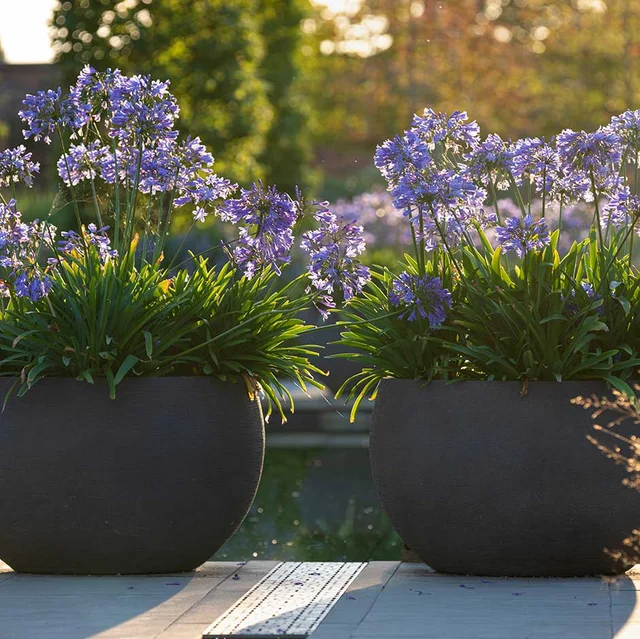
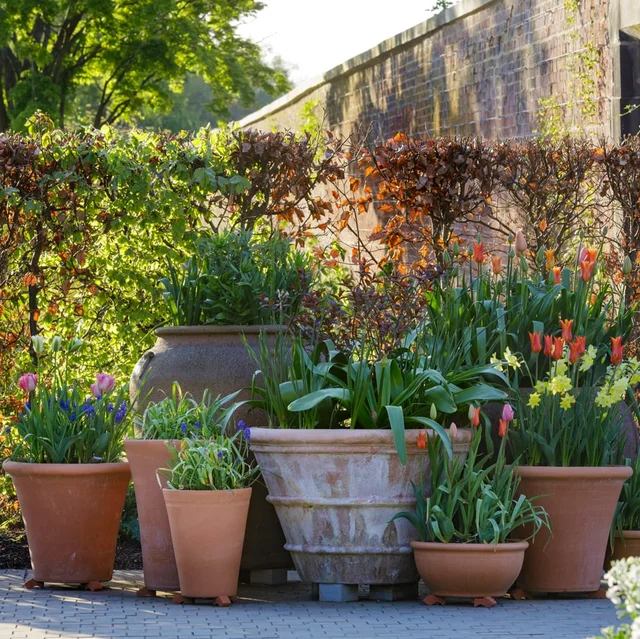
Nemesias are ideal for container planting
3
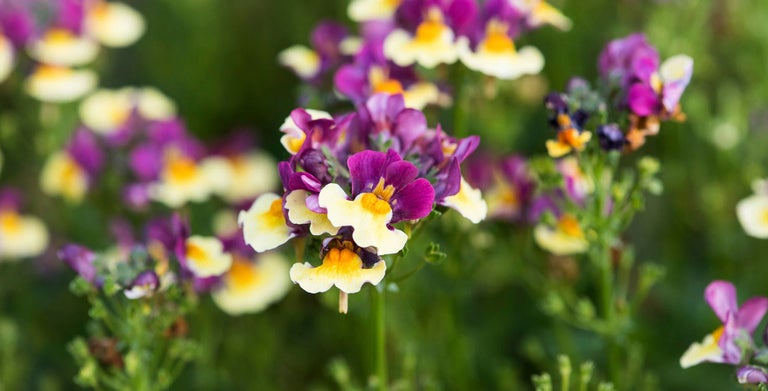
Flower colours range from bright, vivid hues to softer, muted tones
4


Before you get started
What are nemesias?
Nemesias are members of the snapdragon family (Scrophulariaceae), along with many other popular garden plants, including Diascia and verbascum . They tend to be compact, branching plants with pretty flowers in one or two colours, often with yellow throats and sometimes fragrant. They need protection from frost and will bloom best in the cool temperatures of spring or autumn – flowering will often finish early in hot, dry weather. There are many different cultivars of nemesia, in a wide range of colours.
Choosing nemesias
Nemesias are small plants, 20-35cm tall. Some have a trailing habit, which lends itself well to hanging baskets in particular. The most commonly grown species are the annual Nemesia strumosa and the N. caerulea , but nemesias are widely hybridised and are often grouped in collections, or ‘series’, of similar cultivars.
With the exception of the ‘Melody’ collection (which are hardy to H5 ), nemesias grown as garden plants in the UK are often treated as . Many are tender perennials that will only survive winters in relatively mild areas. Their size and lifespan mean that they are best displayed in containers, or as at the front of the border.
After habit (bush or trailing) and scent, the main consideration when choosing nemesias is which of the great variety of colours you prefer. For a soft, relaxing mood, consider the pretty pastels of cultivars like Nemesia ‘Lilac Queen’ or N. ‘Ayana’ , or the lightly fragrant blues and whites of N. ‘Nuvo Blue’ or N. ‘Wisley Vanilla’ . If exotic is more your vibe, what about the fruit-salad colours of the large-flowered N. NESIA TROPICAL or the semi-trailing crimsons and gingers of the Sunsatia Series ? Or perhaps your tastes are more sophisticated, in which case take a look at the classy bicolour cultivars like the mouth-watering N. RASPBERRIES AND CREAM or N. NESIA BANANABERRY .
To help you choose the perfect nemesia for you, look for those that have received the RHS Recommended: Award of Garden Merit , as these have been assessed and are known to perform well. Use the RHS Find a Plant tool to browse images and focus your search on criteria for your particular requirements.
Buying nemesias
Nemesias are widely available from garden centres and nurseries as or potted plants in spring and summer, or you can obtain some species and cultivars as seed, which is easy to grow. Use our Find a Plant tool for stockists.
Planting
When
Nemesias are mostly tender plants, so need to be protected from frost. It’s therefore best to wait until early summer before planting them outside. You can of course pot up containers sooner than this, but protect them from frost with or keep them in an unheated greenhouse until the weather warms up.
Where
Choose a sunny, free-draining position in moist, mildly acidic, fertile soil. If your ground conditions aren’t favourable, then plant in a container instead (see below).
If your plants are bought as plugs, it’s best to pot them into containers first and allow them to grow to fill at least a 9cm pot before planting outside in the ground.
How
Dig a hole slightly bigger than the plant’s . Place the plant in the hole, backfill with soil and firm it in. Water well.
Ongoing care
Watering and feeding
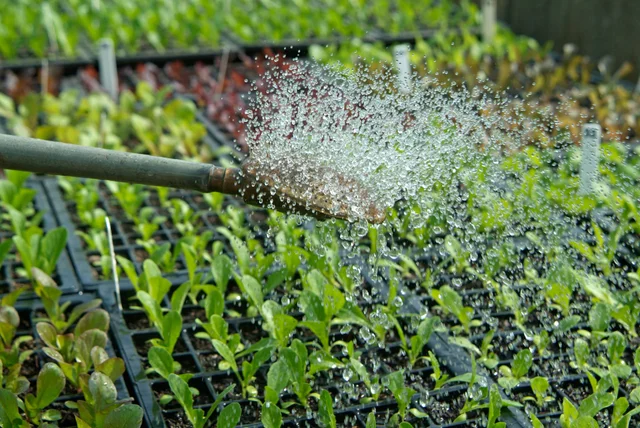
It shouldn’t be necessary to feed or water nemesias in the ground, as long as conditions are suitable, unless there is a very dry spell.
Weeding
Nemesias don’t tend to self-seed, so there is no need to weed out . However, like any plants in the border, they may be encroached upon by more vigorous plants, so weed these out as necessary.
Mulching
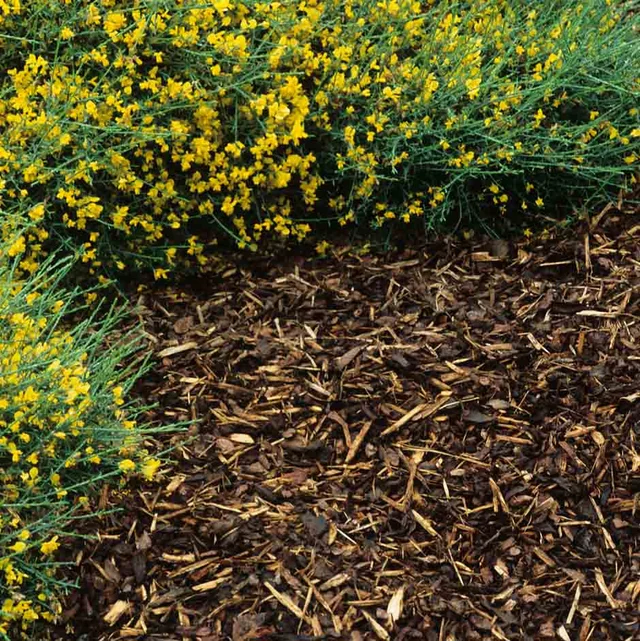
Mulching isn’t necessary, but if plants are growing in a border then they can be mulched alongside their neighbours. Use well-rotted organic matter, like garden or leafmould, to help suppress weeds and lock in moisture.
In containers
Use three parts good-quality peat-free compost mixed with one part horticultural grit to grow nemesias in containers. Check the compost regularly with a finger to make sure it remains just moist, but not wet or soggy.
Compost usually contains enough to last 3–6 weeks after planting. Either add some slow-release ericaceous fertiliser at the beginning of the season (according to the manufacturer’s instructions), or use a liquid ericaceous feed, to keep your nemesias performing well. Feed only during the (March to October).
Overwintering
Annual nemesias can be discarded at the end of the season. Many people also discard tender nemesias, but if you would like to try to overwinter them, cut them back by half and put them in a frost-free place such as an unheated greenhouse. Water sparingly, but don’t allow them to dry out. In spring, repot them into fresh, peat-free compost and water well; they can go outdoors in early summer, when all risk of frost has gone.
Caring for older plants
Perennial nemesias tend to be discarded before they get old, but if you manage to overwinter yours for a year or two, an annual prune should help keep them compact and bushy. Feed and water regularly, as described above, to keep them flowering well.
Pruning and training
It’s worth pinching out the growing tips on and to produce bushier, more floriferous plants. Once initial flowering has finished, shear off flowering shoots, cutting the plant back by about half, to encourage a second flush of flowers.
Propagating
By seed
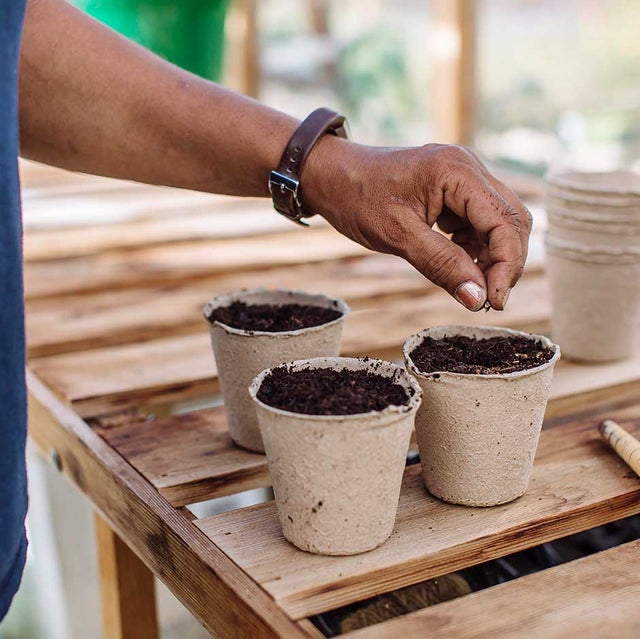
Most annual and nemesias are easy to propagate from seed in early spring, at around 15°C for best rates. As nemesias can stop flowering in very warm weather, it may be worth making a second sowing to get an autumn display once the spring-flowering plants have faded.
By cuttings or division
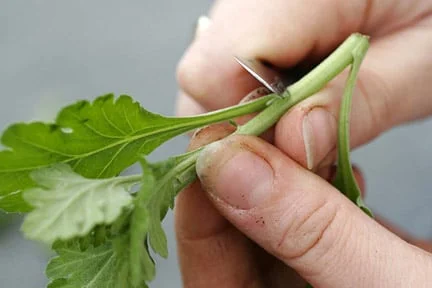
It’s also easy to propagate perennial nemesias by taking in spring and early summer.
Please be aware that some nemesias are protected by Plant Breeder’s Rights, and you are not allowed to propagate them for sale.
Problems
Nemesias are largely free of pests and diseases, though they may suffer from aphids , and root rot in wet conditions and high .
If you are a member of the RHS, you can use our online Gardening Advice Service , via MyRHS , for any gardening problems or queries.