Appearance
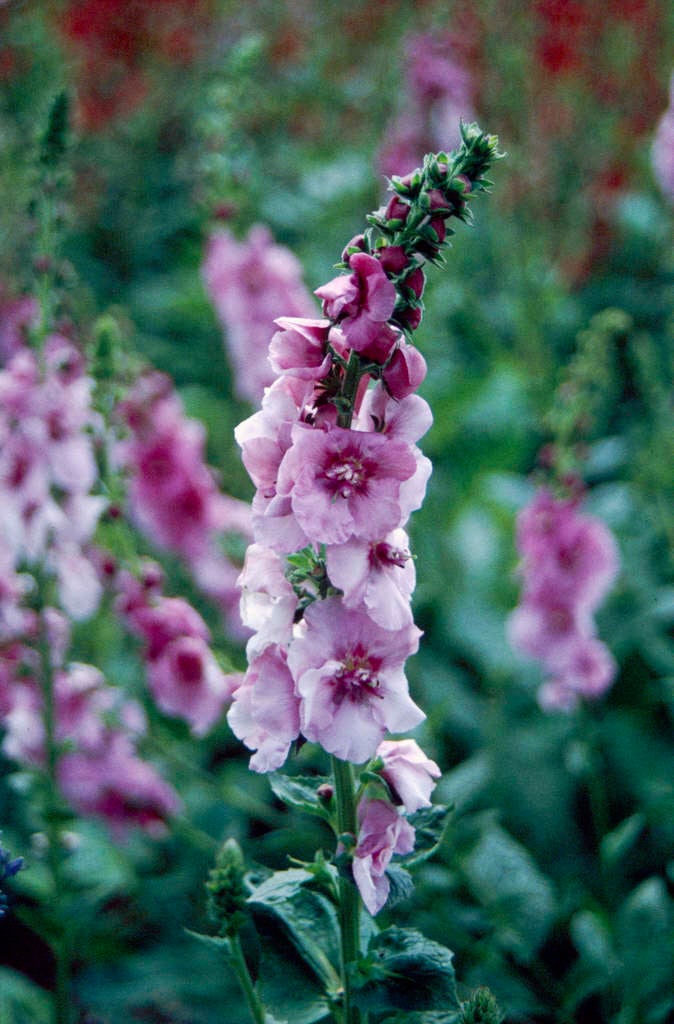
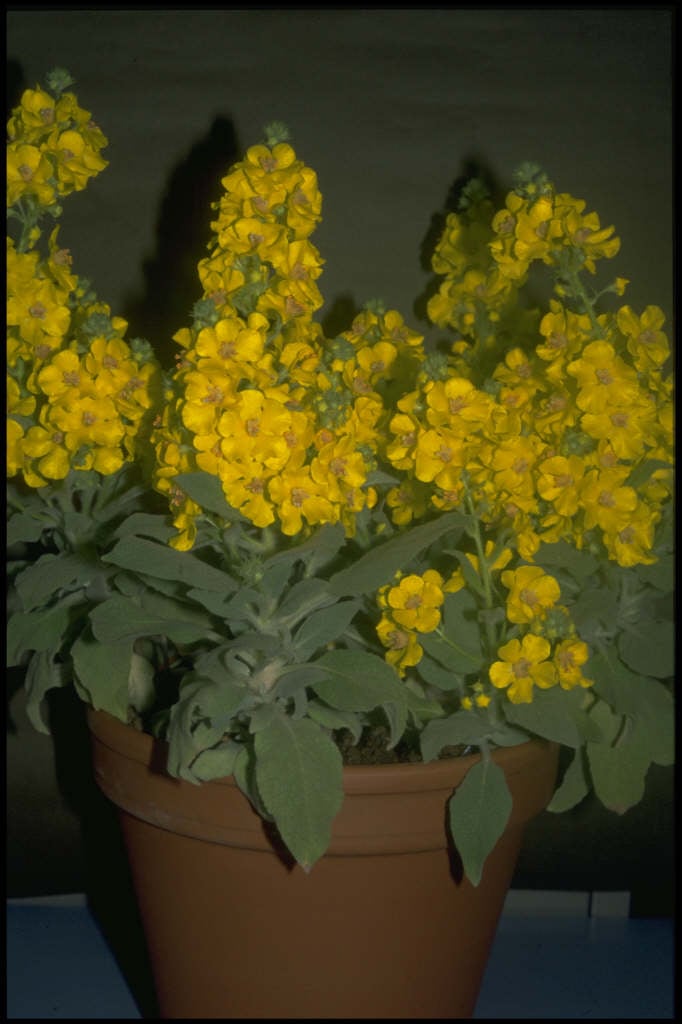
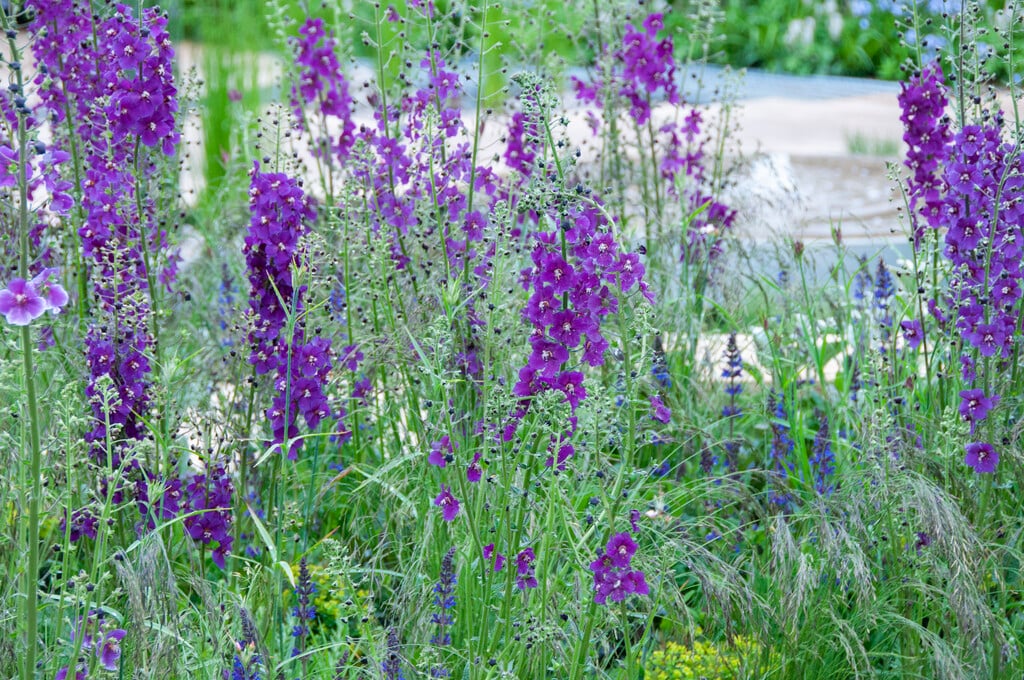
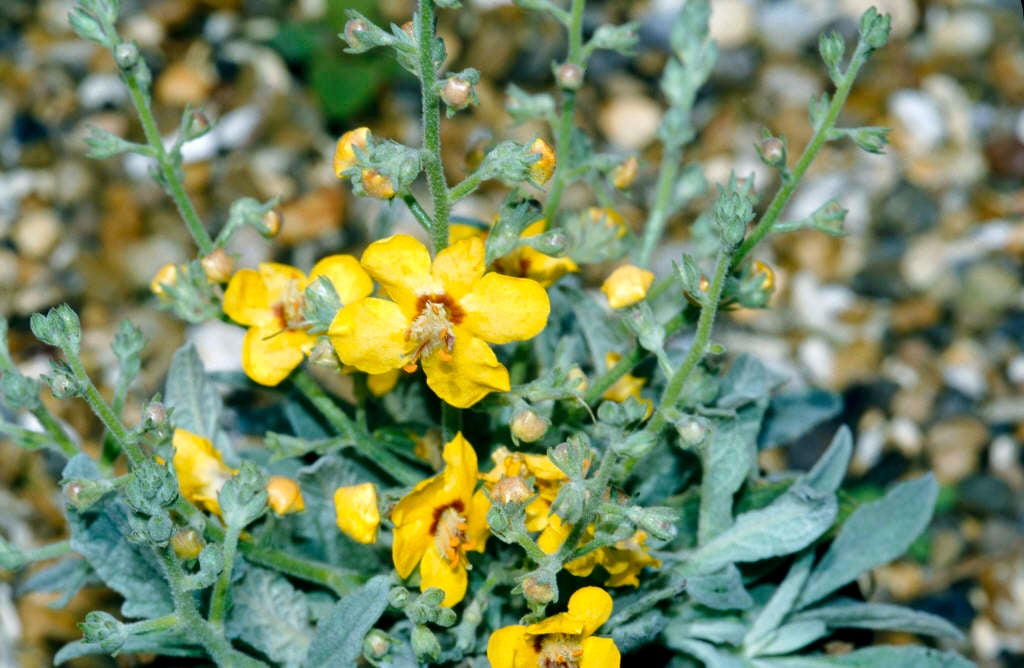
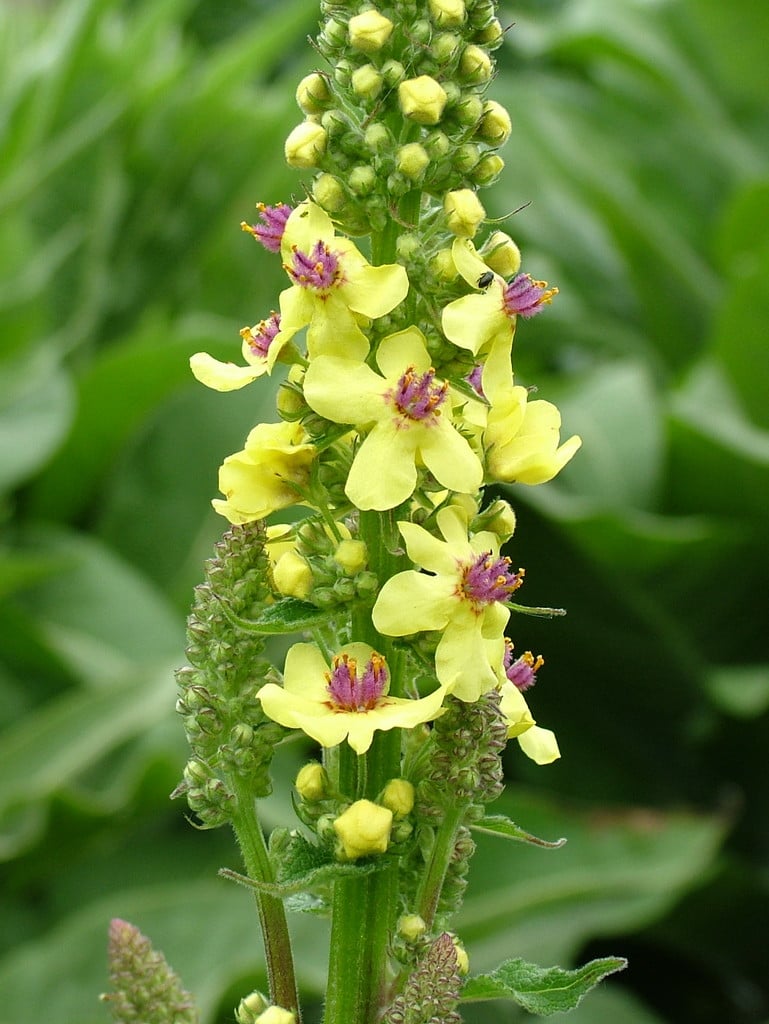
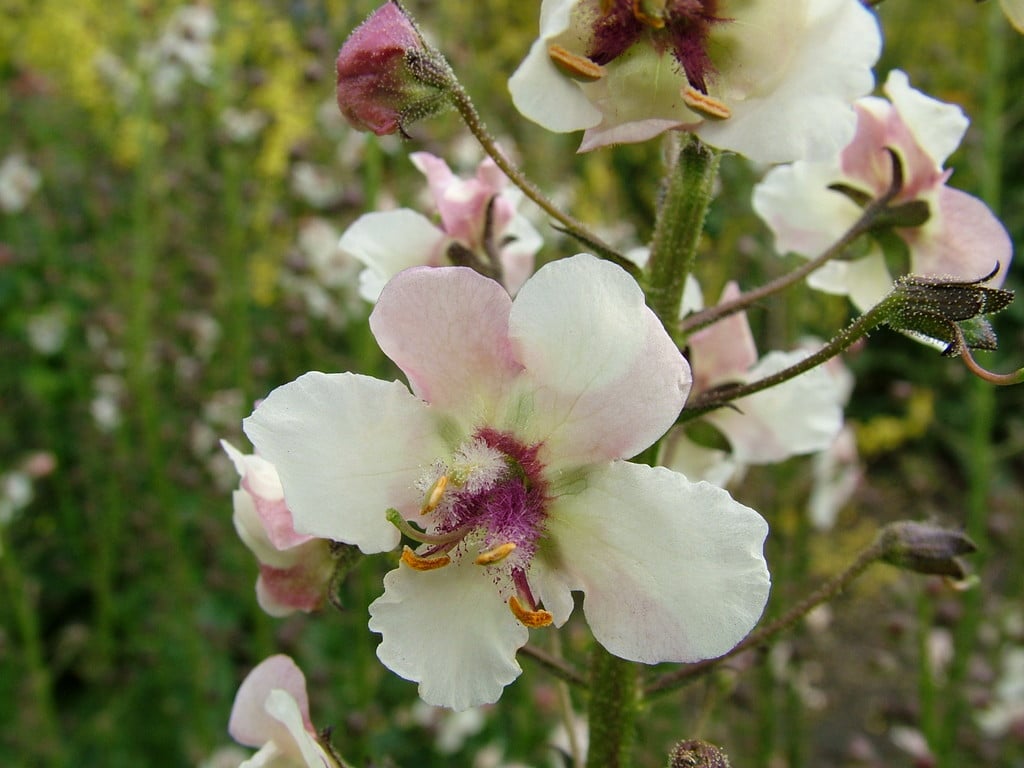
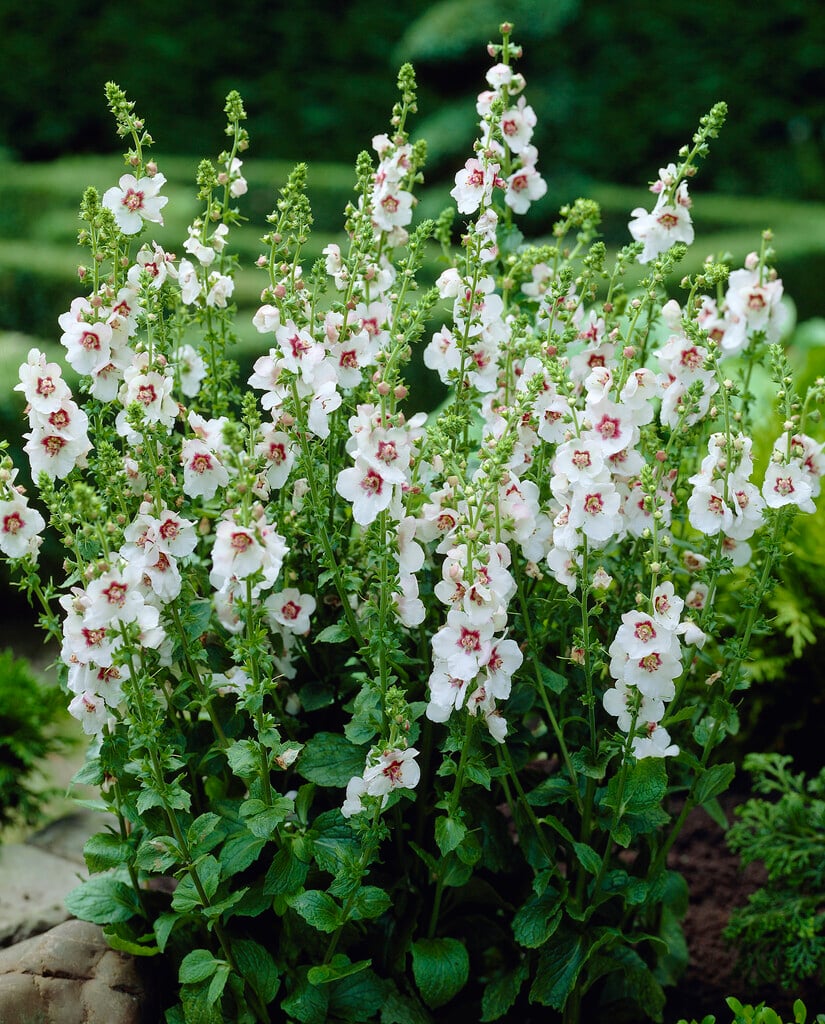
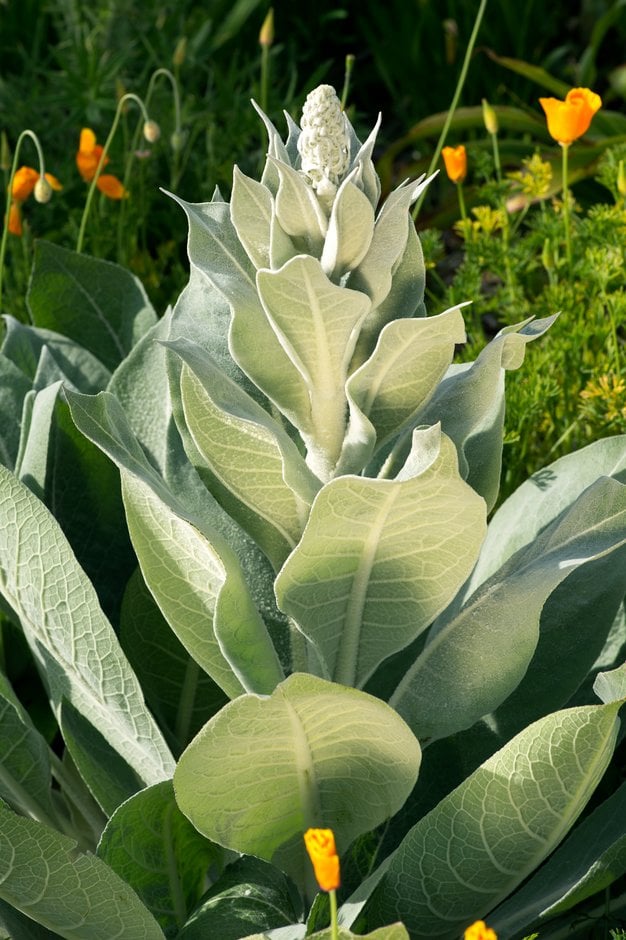
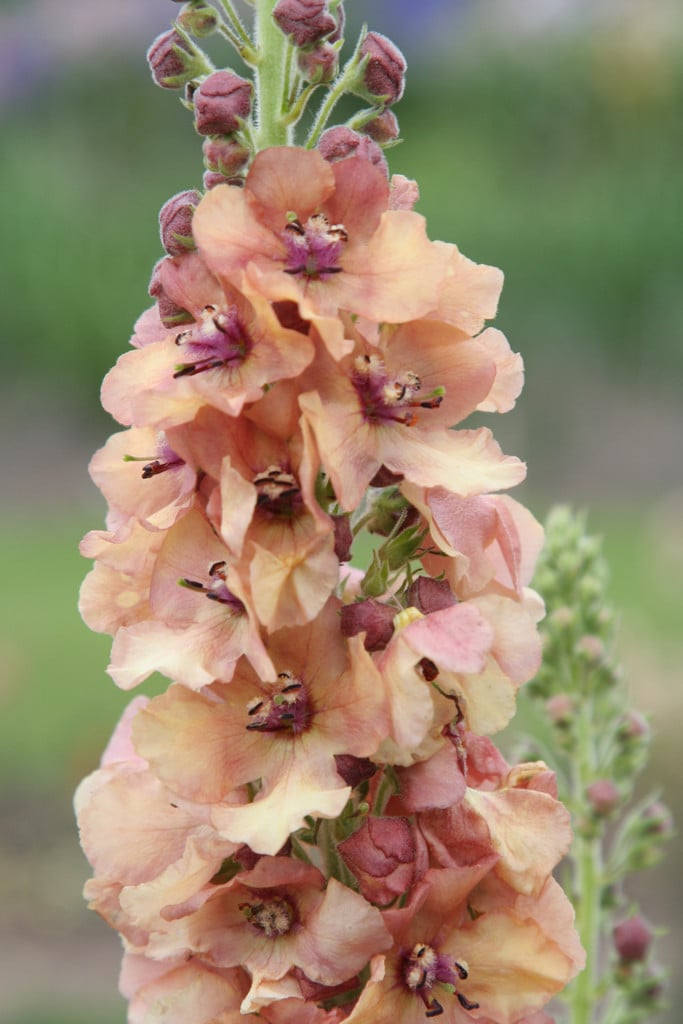
Most verbascums produce rosettes of large, green, grey-green or silvery white, softly hairy leaves in their first year, with straight or branched flower spikes developing in the following summer. These may reach 2m in some species, though many are under 1m. The small, saucer-shaped flowers are generally yellow, white, or muted shades of cream, pink, apricot or mauve, though one, Verbascum luridiflorum 'Blue Lagoon', is a strikingly different bright blue.
Preferences
Verbascums love full sun and well-drained, neutral to alkaline soil. They are happy on poor or rocky soil and thrive on chalk. Once established they are drought tolerant and ideal for low-maintenance or dry gardens. Low-growing, evergreen shrubby mullein (V. dumulosum) will even grow in wall crevices.
Dislikes
These plants dislike wet soil, particularly over winter, and will not thrive in clay, in heavy shade or on very rich soils. Established plants resent disturbance, so move self-sown seedlings while they are still small.
Did you know?
Verbascums are valuable plants for wildlife. The flowers feed pollinators, including bees, hoverflies, butterflies and moths, while the leaves are the main food plant of the striking white, yellow and black mullein moth caterpillar. Carder bees use the fur on the leaves as nest material.
RHS Growing Guide
FREE
Read our comprehensive free RHS Growing Guide:
How to grow annuals and biennials

Introducing Verbascum
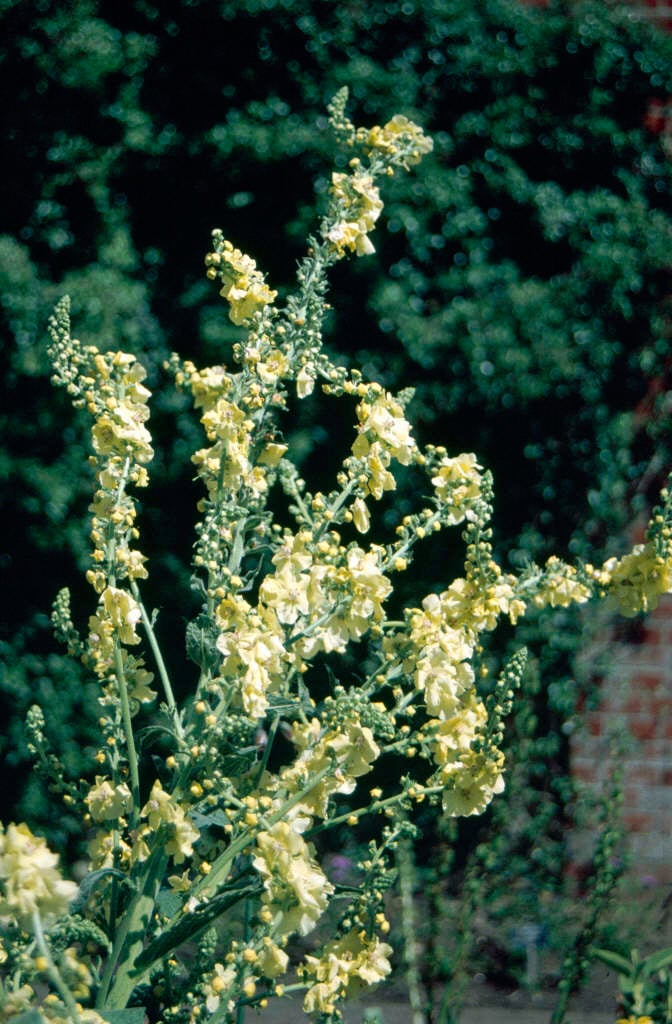
Verbascum (Cotswold Group) 'Gainsborough'
mullein 'Gainsborough'
- Height
- 1–1.5 metres
- Width
- 0.1–0.5 metres
x of x
Showing
x to x
of x