Quick Facts
Popular, low-maintenance houseplants
1
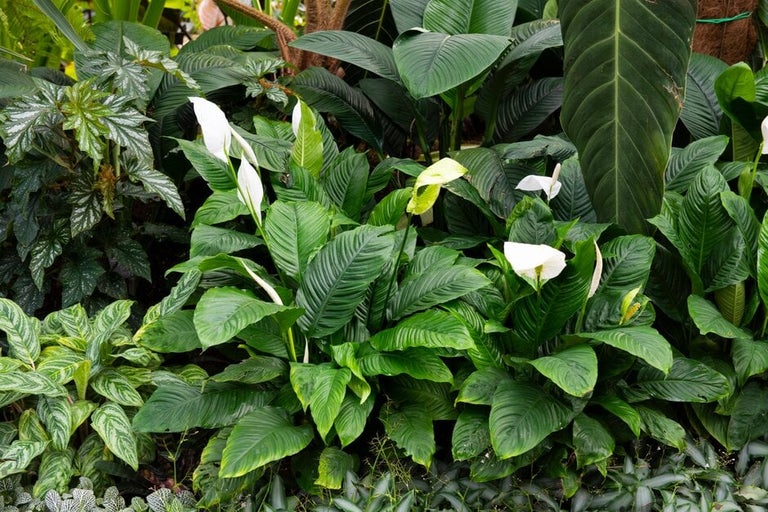
The elegant white blooms stand out well against the dark green foliage
2
These tropical plants like warmth, humid air and indirect light
3
Water regularly but moderately, letting the compost dry out each time
4
They improve indoor air quality by removing toxins
5


Before you get started
What are peace lilies?
Peace lilies have long been popular as houseplants, being easy to grow and visually spectacular, with elegant white flower-like spathes held above lush clumps of glossy, dark green foliage. These evergreen plants come from tropical forests in Central America and Colombia, so need warmth and indirect or filtered light. They prefer moderate too, and regular watering through the .
Although known as peace lilies, they aren’t related to lilies, but instead belong to the arum family (Araceae) and have the typical arum ‘flower’, comprising a large petal-like spathe, surrounding a spike, or spadix, which holds the tiny true flowers. The spathes resemble white flags, a symbol of peace, which is the origin of the plant’s common name. They are mainly produced in spring and summer, lasting for several months before fading to green. Many other popular houseplants are members of the arum family – see our guide to amazing arums.
Peace lilies have an elegant, calming presence, and provide the added benefit of removing harmful chemicals from the air, so they will improve your living space in many ways.
Watch our quick video guide to growing peace lilies:
TAKE CARE
Peace lilies, like many of their fellow arums, are poisonous, so wear gloves when handling them and position them out of reach of children and pets.
Choosing peace lilies
The most widely sold and popular peace lily is Spathiphyllum wallisii. There are also several cultivars available, including:
- ‘Chopin’ – with slender white spathes up to 50cm (20in) tall
- ‘Bellini’ – widely available, and grows to 50cm (20in) in height
- ‘Mauna Loa’ AGM – reaching 90cm (3ft) tall, with large pure white spathes up to 10cm (4in) long
- ‘Variegata’ and ‘Gemini’ – both have irregular white splashes on the foliage, on compact plants only 30cm (1ft) tall
- ‘Sweet Lauretta’ – up to 1m (3⅓ft) tall, with large, wide leaves and lightly scented blooms
Peace lilies are a great houseplant choice, as they not only look good, but have also been proven to remove harmful pollutants from indoor air – find out more in our video guide:
Buying peace lilies
As they’re one of the most popular houseplants, peace lilies are available from most garden centres and other houseplant retailers all year round. For the more unusual species and cultivars, try larger online houseplant stockists.
When buying in person, select healthy-looking plants with plenty of new growth, glossy green leaves and no damage, browning or yellowing. These are tropical plants, so in winter take care to protect them from the cold when taking them home.
Planting
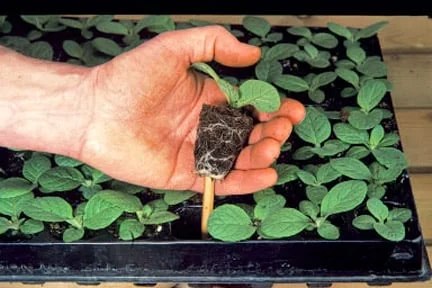
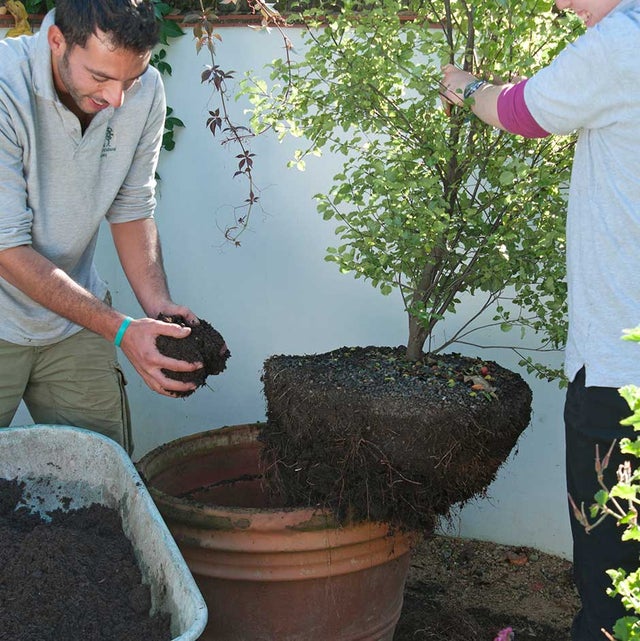
Newly purchased peace lilies can usually stay in their original container for at least a year or two before repotting is required. Then in spring, at the beginning of the , check the roots by removing the pot – plants only need repotting when the roots are densely packed.
To repot, select peat-free multi-purpose and mix in to improve the drainage – ideally at a 3:1 ratio. The new pot should be only a few centimetres larger than the current one, to avoid overpotting. Using a much larger pot can mean the excess compost stays damp for too long, potentially leading to root rot.
Repotting peace lilies is easy – see our simple guides:

Ongoing Care
Location
Keep peace lilies in bright, indirect light – near a window but not in direct summer sun – to ensure strong growth and flowering. Plants will survive in deeper shade but will rarely flower and will grow very slowly.
Average room temperatures are fine, anywhere between 12–24°C (55–75°F), but keep plants away from hot radiators and cold draughts.
Peace lilies are poisonous, so always position them out of reach of children and pets.
Watch our video guide to choosing the right location for houseplants:
Watering
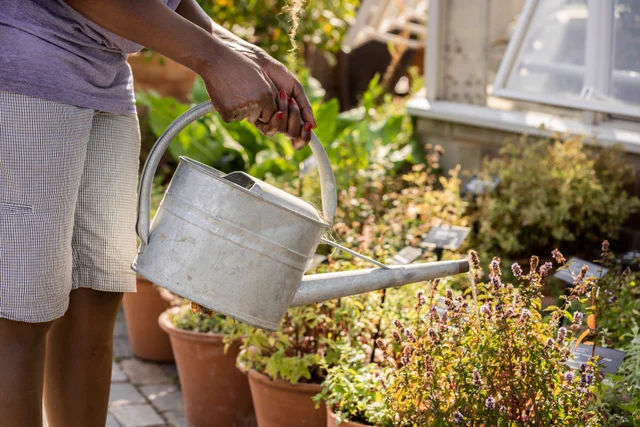
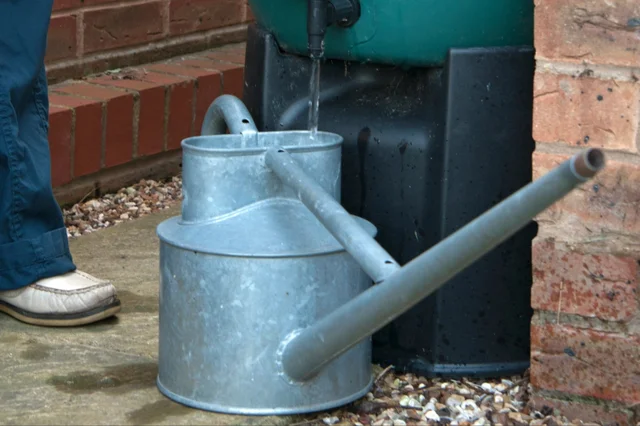
Water peace lilies throughout the , from April to October, once the top few centimetres of have become dry. Reduce watering slightly in winter when growth slows down. The fluoride in tap water can damage the foliage, so use rainwater or filtered water whenever possible.
If the compost dries out very quickly after watering, this may be a sign that your plant is rootbound and in need of a larger pot. Repot it in spring – see Planting, above.
See our watering guides for more advice:
TOP TIP
Each time you water your peace lily, turn the pot by a quarter, to prevent it growing towards the light and becoming lop-sided.
Humidity
Peace lilies prefer moderate – their leaves may start to turn brown if the air is too dry. So stand the pot in a saucer over a tray of damp gravel – the water will slowly evaporate, raising the humidity around the plant. You can also mist the leaves and/or wipe them with a damp cloth regularly. For more tips on increasing humidity for tropical plants.
Feeding
To boost leaf production and flowering, apply a general liquid fertiliser every few weeks throughout the growing season, from April to October.
Pruning and Training
Simply snip off any fading leaves and spent flowers at the base of the stem. Wear gloves, as the can be a skin irritant.
Propagating
The easiest way to propagate peace lilies is by dividing a large, established clump in spring. Remove the plant from its pot then cut or pull apart the to create several smaller plants, each with plenty of roots and several strong stems. Pot them up individually into free-draining peat-free . Always wear gloves when handling peace lilies, as the can irritate skin.
Problems
Peace lilies are generally healthy, tolerant and trouble-free, but bear in mind the following:
- Keeping the too wet for long periods can result in root rot. Let the top of the compost dry out between waterings, and reduce watering in winter. Overwatering can also cause browning or yellowing leaves
- Lack of water can cause peace lilies to droop alarmingly, but if you water them promptly, they should soon recover with no ill-effects
- Dry air can result in leaves turning brown at the edges – so mist plants regularly and stand the pot in a tray of damp gravel to increase
- Failure to flower is often due to insufficient light – position near a window in bright light, but out of direct summer sun
For more problem-solving tips, see our guides: