RHS / Graham Titchmarsh
 Appearance
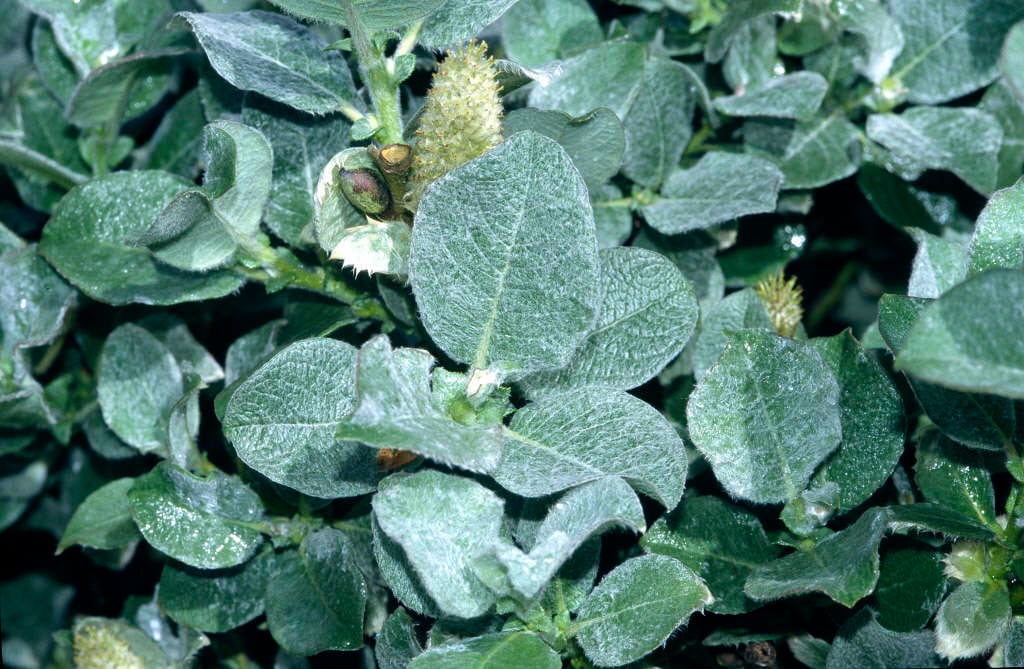
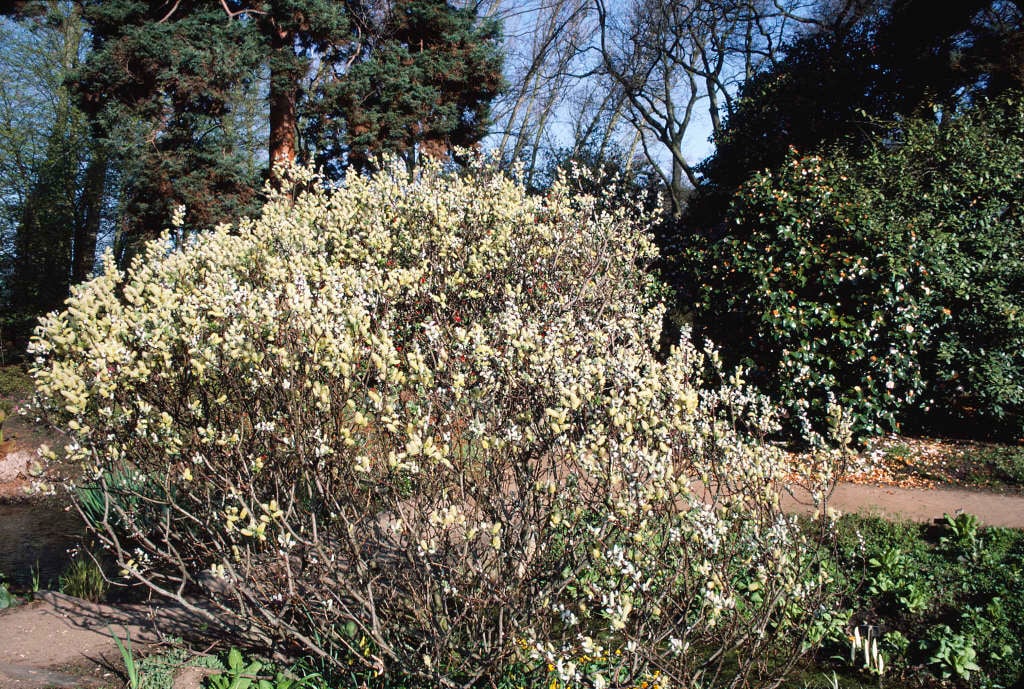
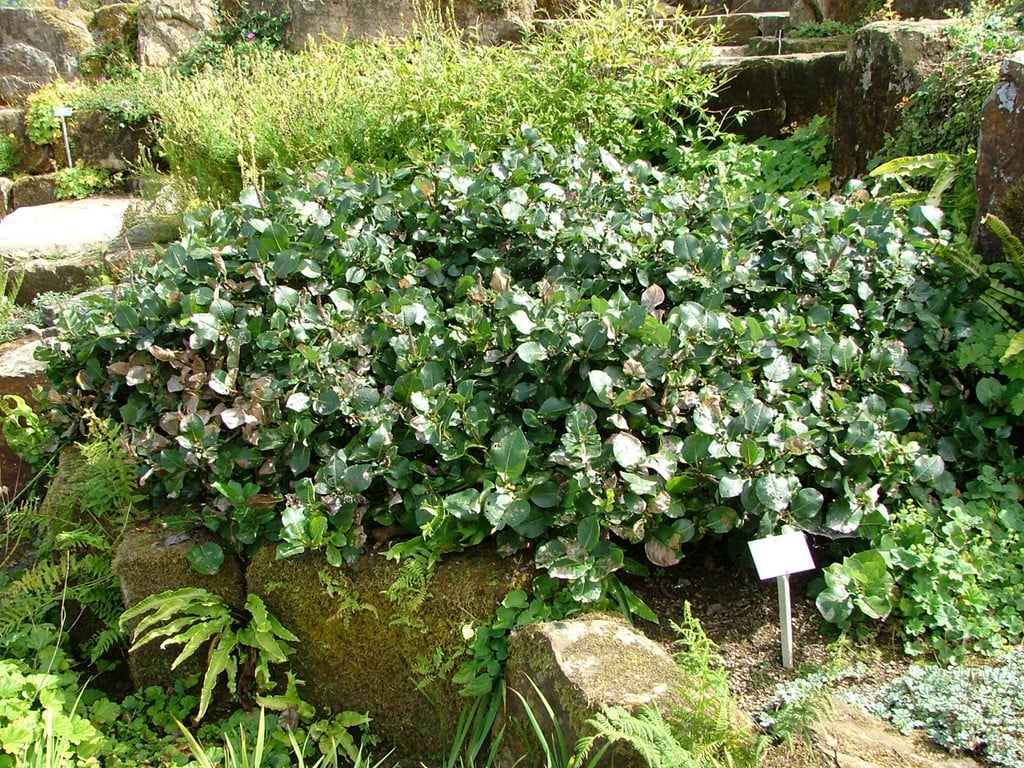
Shrubby willows can be bushy and upright or rounded and spreading. They produce attractive fluffy catkins either just before or with the new leaves, in late winter to early spring, when plants will often be buzzing with bees, busy collecting the abundant pollen and nectar.
Preferences
Although shrubby willows grow well in most soil types, they prefer fertile soil that drains easily. They thrive in full sun or light shade.
Dislikes
They don't grow well in deep shade or in poor, very dry or very alkaline (chalky) soil.
Did you know?
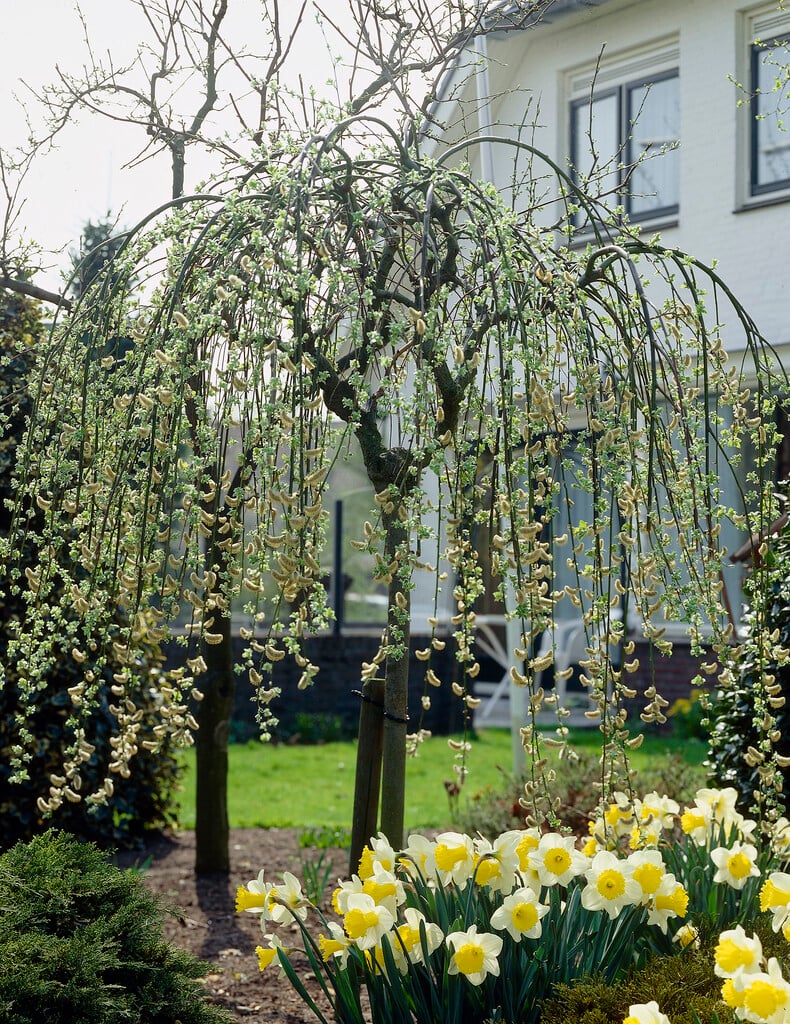
The Kilmarnock willow (Salix caprea ‘Kilmarnock’) naturally forms a large spreading shrub. But it is usually sold 'top grafted' onto the upright stem of another willow, so it forms a compact weeping tree, ideal for small gardens. Its pollen-rich golden catkins are a magnet for bees in spring.
RHS Growing Guide

FREE
Read our comprehensive free RHS Growing Guide:
How to grow shrubby willows

Introducing Shrubby willows


Salix alba var. vitellina 'Yelverton'
golden willow 'Yelverton'
- Height
- Higher than 12 metres
- Width
- Wider than 8 metres

x of x
Showing
x to x
of x