Quick Facts
Colourful winter stems, buds and catkins
1
Easy-to-grow shrubs, often quite vigorous
2
Catkins attract bees and other pollinators
3
Like fertile, well-drained but moist soil – not too wet, not too dry
4
Grow best in full sun or light shade
5
Ideal in a shrub border or large container
6
Only light pruning required
7
Make more plants by taking hardwood cuttings
8


Before you get started
Choosing a shrubby willow
There is a wide range of shrubby willows to chose from, often with vibrant winter shoots in various colours and attractive spring catkins. They add interest early in the season, making them a useful addition to many gardens, as long as you have enough space and suitable growing conditions:
- Most grow best in full sun, in moist soil that does not dry out, so check you have the right growing conditions before buying.
- These willows often grow quite large, so make sure you have space for their eventual size. Some can be kept smaller by pruning hard (coppicing) every spring, which may encourage colourful winter stems.
- A few are smaller, and some can even be grown in containers. However, even diminutive willows can be wide spreading, so always check eventual height and spread before buying, to make sure you have space for future growth.
Your range of choices includes:
- Salix gracilistyla ‘Mount Aso’ has fluffy pink catkins and grows to 3m (10ft) tall
- S. irrorata (blue-stemmed willow) with fluffy grey catkins with red anthers, it reaches 3m (10ft) tall
- S. alba var. vitellina ‘Yelverton’ has orange-red winter shoots and can reach 2.5m (8ft) tall
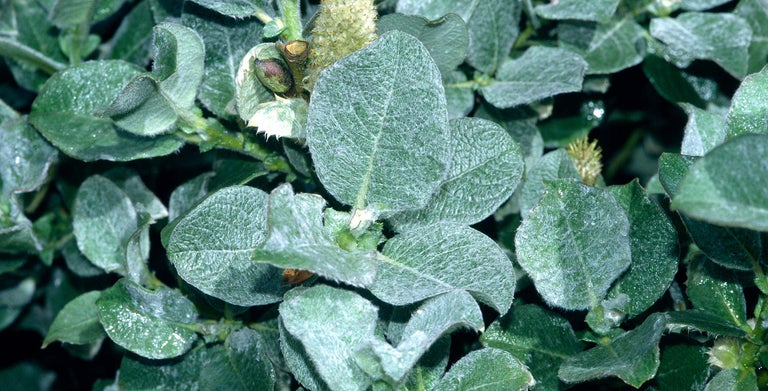
- S. lanata with white woolly stems and silvery-green catkins, it reaches 1.5m (5ft) tall
- S. ‘Mark Postill’ with silvery catkins, grows to 90cm (3ft) tall
Around 20 Salix species and cultivars have an RHS Award of Garden Merit, which shows they performed well in RHS trials, so are reliable choices.
To browse photos and descriptions of shrubby willows, go to RHS Find a Plant, where you can also narrow down your search by height and spread, growing conditions and RHS Award of Garden Merit.
You may also be able to visit the UK National Willow Collection at Rothamstead Research (Harpenden in Hertfordshire), to see the wide range of species it grows. Its website includes a list of willow species and cultivars and their stem colours.
Wildlife-friendly gardening
Willow catkins are a valuable source of pollen (on male plants) and nectar for bees, especially early in spring when food may be in short supply. Willows also provide shelter and nesting sites for birds.
How and what to buy
Shrubby willows are widely available all year round in garden centres, nurseries and online by mail order. You can buy them in a range of plant and pot sizes, at a corresponding range of prices. To track down specific cultivars, go to RHS Find a Plant.


Planting
When to plant
You can plant shrubby willows from autumn to early spring, whenever the ground is not frozen. However, autumn planting is recommended, because it allows them to establish their roots over winter. They will need less watering than if planted at warmer times of the year.
Where to plant
In borders:
- Choose a site with full sun or a little light shade and soil that stays moist in summer
- Shrubby willows need plenty of space to spread, so choose a spot that will suit the eventual size of your plant
- You can improve moisture retention before planting by digging in a bucketful of well-rotted garden , leafmould or manure into the planting area
- Take care to plant container-grown shrubs at the same depth they were growing in the pot
- Willows are tough and fully hardy, so can be planted in frost pockets or on particularly cold sites
- Avoid planting large shrubby willows near building foundations or underground pipes, especially in shrinkable clay soil, as they have an extensive, vigorous root system that can take up a lot of water

In containers:
- For short-term planting in containers, use a peat-free multipurpose potting compost
- For permanent planting, use a loam-based compost, such as John Innes No. 2 with added coarse grit to improve drainage
- Replenish nutrient levels by adding controlled-release fertiliser when planting, repotting or top-dressing
- Water frequently during the if the weather is dry and hot
How to plant
Willow trees are easy to plant, and should be planted as soon as possible after buying – simply follow our planting guides below.


Ongoing Care
Watering
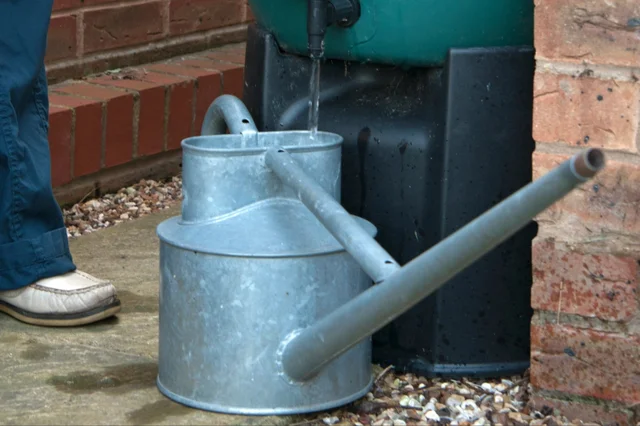
- Water newly planted willows regularly for the first two or three summers, especially if the soil is not reliably moist during hot, dry spells
- To avoid unnecessary watering, check if the soil feels dry at a depth of about 15cm (6in), and if so, water generously, allowing it to soak in well
- Once well established, shrubby willows shouldn’t need watering when grown in the type of soil they prefer – moisture retentive but free draining
- Plants in containers usually need regular watering throughout the
Feeding and mulching
- Most shrubby willows are robust and vigorous and shouldn’t need feeding unless they are showing signs of nutrient deficiencies
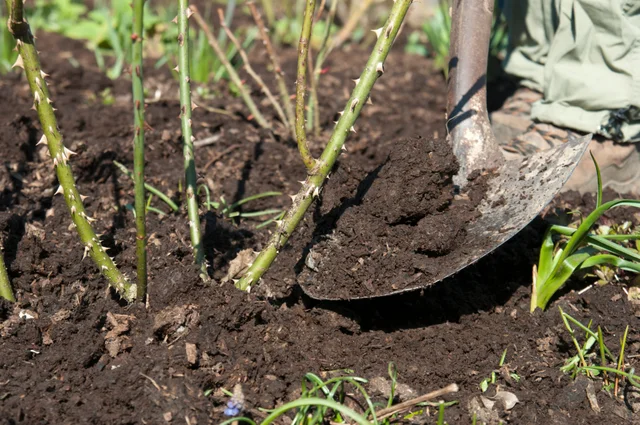
- Mulching around the base of the shrub with well-rotted organic matter, such as garden compost or farmyard manure, will help to improve the soil’s ability to hold water and will provide as it rots down
- Apply a 5cm (2in) thick layer of as the soil warms in early to mid-spring. It will help to deter weed at the beginning of the growing season too


Caring for older plants
Once your willow is settled in and growing away well, little maintenance is needed, other than to check it is getting enough water, especially in dry summers.
Pruning and Training
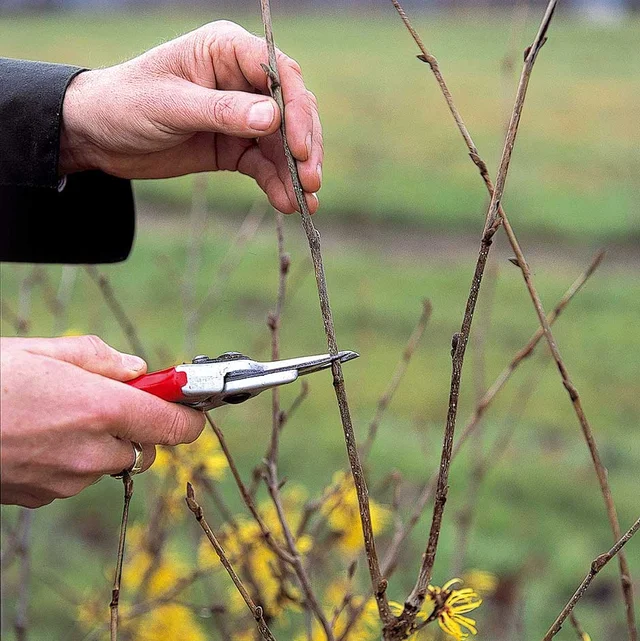
You can prune shrubby willows occasionally in spring after the catkins have faded, but let young plants develop with minimal pruning. You only need to prune to maintain a balance between young stems (with the best winter colour) and older stems with catkins. On you can remove one or two of the oldest stems to encourage new growth.
You can hard prune (coppice) some of the large shrubs, to stimulate the production of colourful winter stems.


Propagating
Hardwood cuttings
Shrubby willows are easy to grow from , between November and February – see our guide below.
With willows in particular:
- Select healthy, woody stems from the current year’s growth, about pencil thickness and 20–30cm (8–12in) long
- Insert into deep containers filled with a 50:50 mix of peat-free multi-purpose and coarse grit
- Keep in a coldframe or cool greenhouse over winter
- Check from time to time to make sure they haven’t dried out or are sitting in soggy compost
- New shoots will appear from the buds in spring
- They should be ready to plant out in autumn, and can be pruned (coppiced) if necessary after two or three years

Problems
Shrubby willows are usually trouble free if grown in a sunny position in moist but well-drained soil (some are tolerant of wet soils but not dry).
However, there are a few problems to look out for:
- willow anthracnose, scab and canker
- honey fungus
- tree rusts
- large willow bark aphids
- willow leaf beetles
- scale insects
- caterpillars and sawflies
- slugs and snails, which may damage soft, young, leafy growth
- vine weevils, which can damage roots, especially in containers
If you’re a member of the RHS, you can use our online Gardening Advice Service, via MyRHS for any questions or gardening problems.