RHS / Barry Phillips
 Appearance
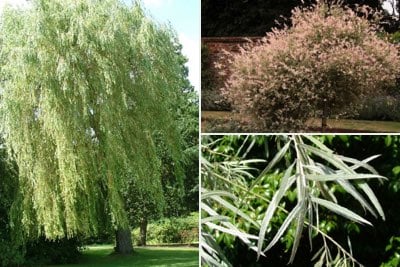
Willow trees tend to be large, with long, slender stems. They are often the first tree to come into leaf in early spring, with bright green or silvery grey-green foliage. Their abundant fluffy catkins in spring are a magnet for bees. The weeping willow has gracefully arching branches.
Preferences
Willow trees like full sun and deep, fertile, moist but well-drained soil. Many even thrive in permanently wet conditions.
Dislikes
They don’t generally thrive in very dry, shallow or chalky soils, and dislike shade.
Did you know?
The contorted willow (Salix babylonica var. pekinensis ‘Tortuosa’) not only has curiously twisted and contorted stems but also twisted leaves too.
RHS Growing Guide
FREE
Read our comprehensive free RHS Growing Guide:
How to grow willow trees

Introducing Willow trees
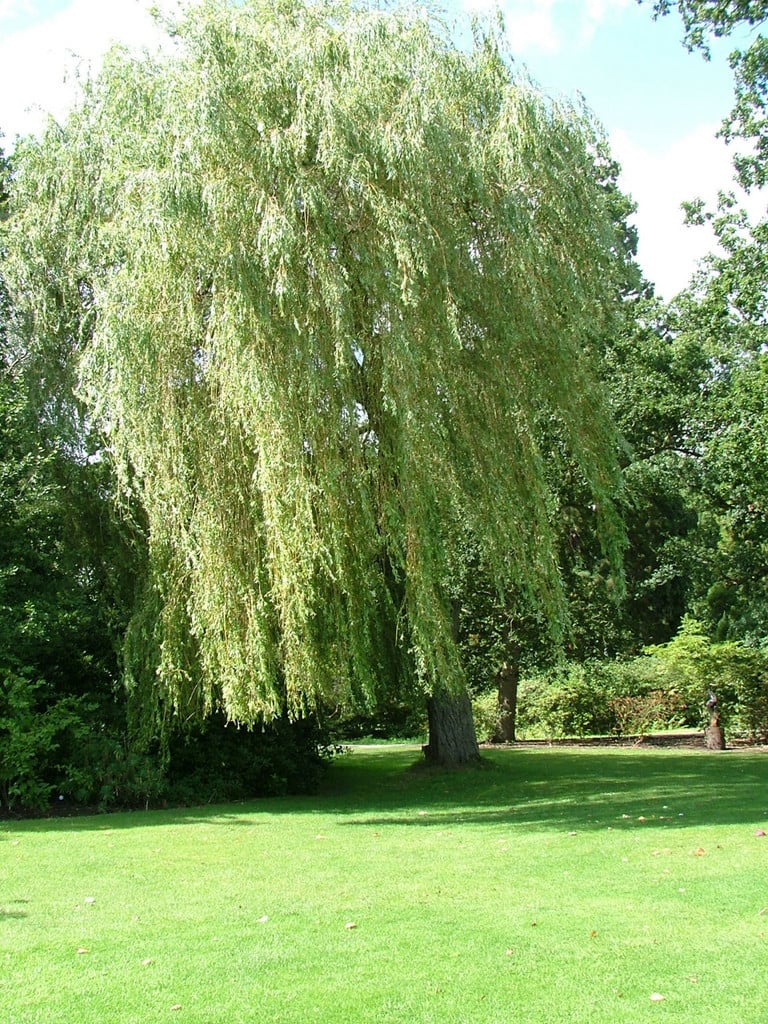
Salix × sepulcralis var. chrysocoma
golden weeping willow
- Height
- Higher than 12 metres
- Width
- Wider than 8 metres
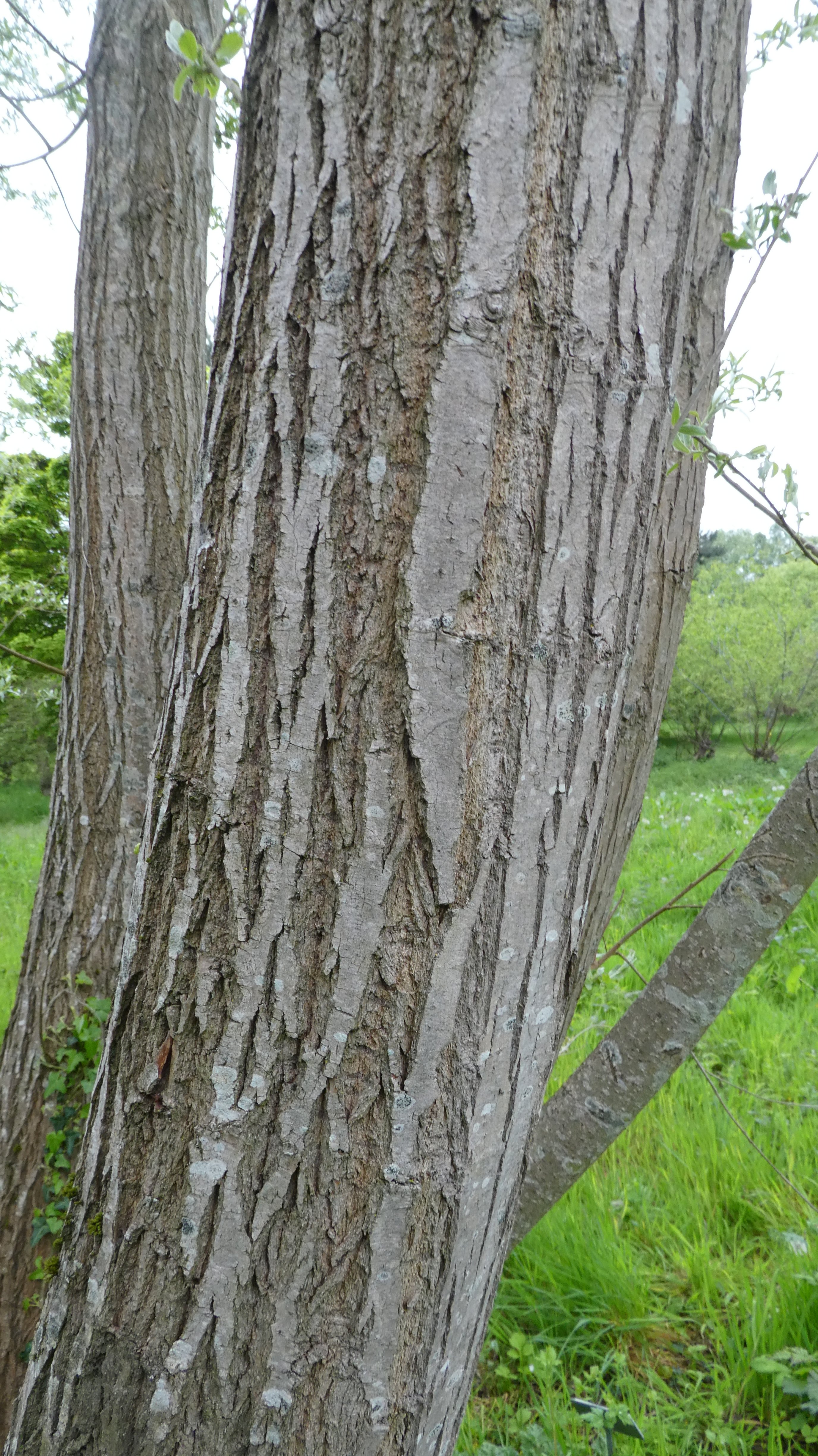
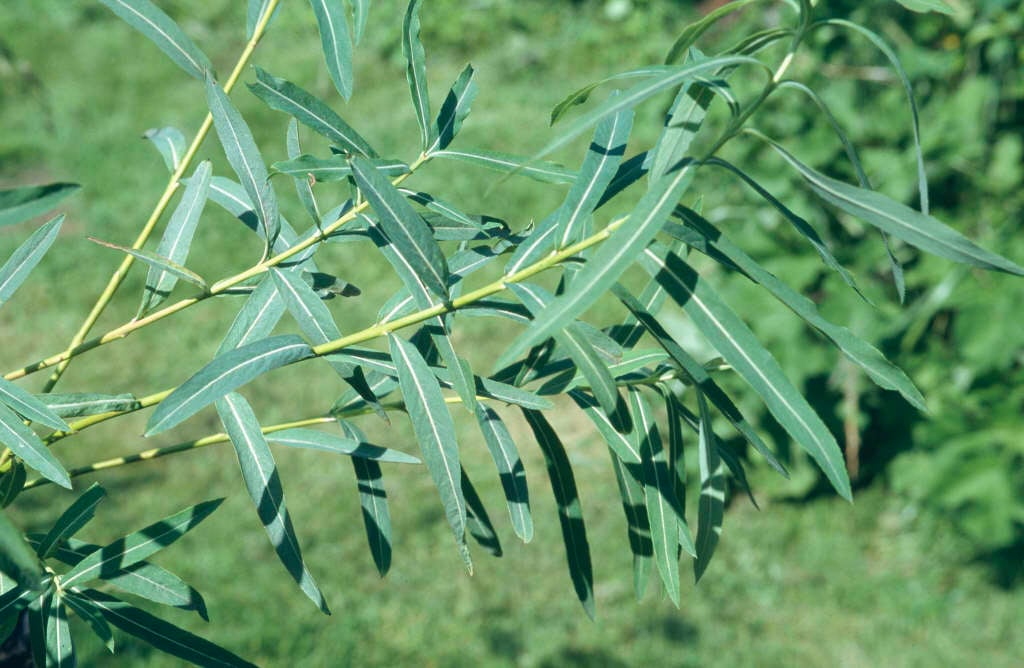
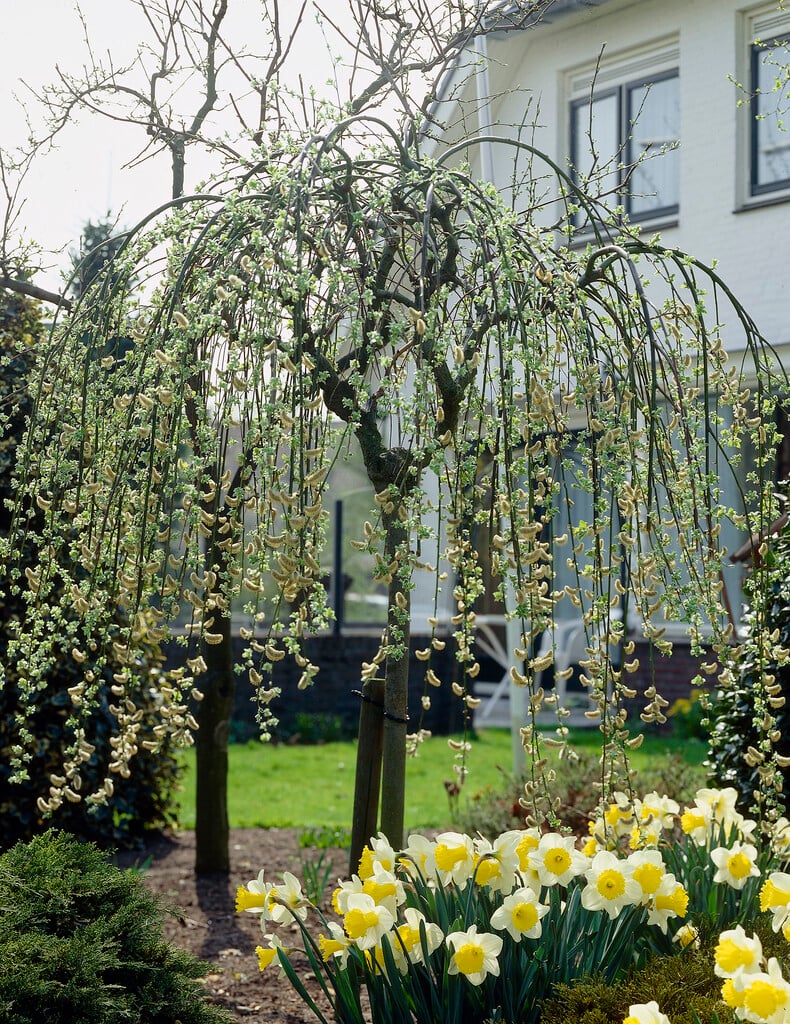
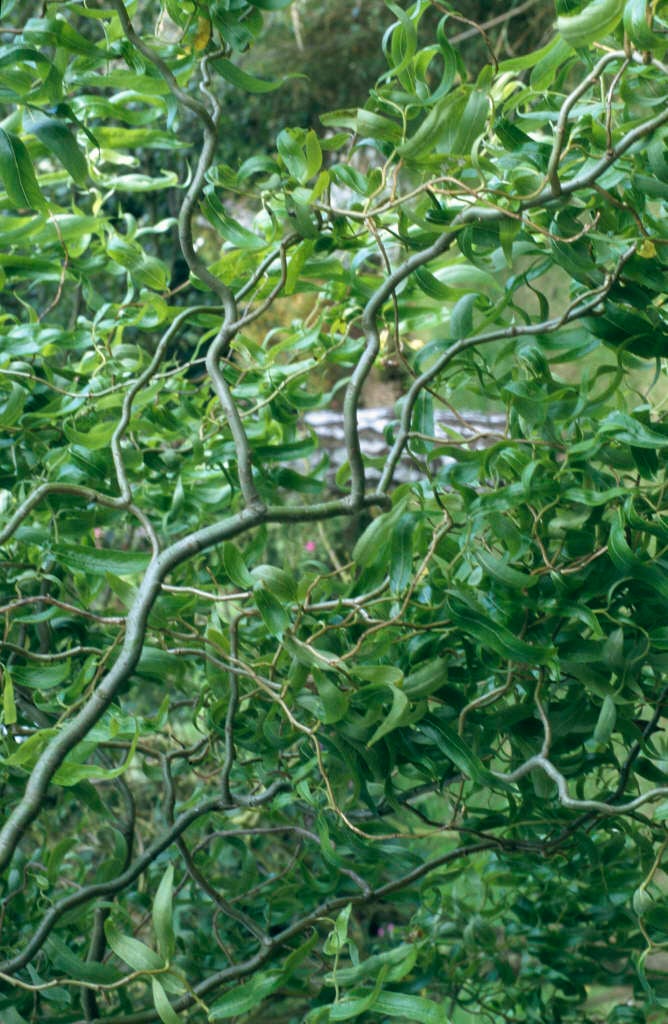
Salix babylonica var. pekinensis 'Tortuosa' (f)
dragon's claw willow
- Height
- Higher than 12 metres
- Width
- 4–8 metres
x of x
Showing
x to x
of x