

Shows sustainability
What the RHS is doing to make the RHS Shows more sustainable

The introduction of the Green Audit and the Environmental Innovation Award in 2024 has been hugely successful in improving the sustainability of RHS Shows
Since 2024, all large gardens at the RHS Chelsea Flower Show have been through a Green Garden Audit to reduce their carbon footprint and environmental impact. In the same year, the RHS also launched the Environmental Innovation Award to celebrate sustainable innovations adopted in the Show Gardens at RHS Chelsea.
"Design changes implemented as a result of gardens going through the new audit process have had a significant impact, reducing carbon emissions across the two categories by 28% in the first year."
The RHS commissioned Nicholsons to carry out the audit alongside RHS Head of Sustainability Malcolm Anderson. Together, they reviewed the garden design and build plans in terms of a broad range of sustainability criteria. These included material selection, waste, and ecology, water and air. The company then worked with the designers and contractors to make workable changes to their plans to reduce the environmental footprint of the gardens.

Malcolm Anderson, RHS Head of Sustainability said: “As the UK’s leading gardening charity we have been making positive changes across the organisation and at our shows to make our practices more sustainable. The Green Audit is just one example of the progress we are making as we continue to make changes to reduce our environmental impact. We have added sustainability criteria at the design selection stage to ensure, where possible, designers have thought about the environmental impact of their gardens. The introduction of the audit helped us take this one step further, enabling us to better understand the carbon footprint of the gardens at the show and challenge designers and landscapers to consider ways they could further reduce their impact while opening up the conversation within the horticultural industry on how we can create gardens more sustainably in the future.”
The biggest reduction in carbon emissions for many of the gardens was achieved by making changes to the building materials selected as well as construction methods. For example, in 2024 Matthew Childs designed the Terrence Higgin’s Trust Bridge to 2030 Garden and massively reduced his carbon emissions by removing block walling in the original design and replacing it with reclaimed timber. Ann-Marie Powell designed The Octavia Hill Garden by Blue Diamond with the National Trust garden and saved a large amount of CO₂ by significantly reducing the use of cement in her garden.

In 2025, the designers of The Pathway Garden, Allon Hoskin and Robert Beaudin, created the whole garden with sustainability at its core. From the reclaimed York stone to upcycled and recycled steel used in the structure, every element was carefully considered. Their innovative base plate system allowed construction without concrete or cement, and even the timber was sourced from fallen redwood.

On the Avanade Intelligent Garden, designed by Tom Massey and Je Ahn, trees affected by ash dieback – typically destined for disposal – were transformed into a stunning, textural pavilion by craftsman Seb Cox. Using the root-like structures of mushrooms (mycelium), Cox created striking organic panels that celebrate sustainable innovation and natural beauty.

Liz Nicholson, Managing Director at Nicholsons who was instrumental in the delivery of the audit said: “All of the designers without exception welcomed the audit, embraced the learnings and worked incredibly hard to adapt and tweak their gardens to reduce the impacts. Many of them design with the planet in mind and very few changes were necessary, but even these celebrated designers discovered one or two new opportunities and were open minded to tweaking their designs. They felt that this process would affect how they design in future and were keen to take their learnings back to their practices. A significant impact in conversations with contractors was how the use of low carbon cement and alternative construction methods were welcomed, and knowledge was shared in the round.”
In 2024, the RHS introduced the Environmental Innovation Award, to recognise and celebrate the examples of excellence in progressive environmental ingenuity at the show, open to all gardens who have been through the Green Garden Audit. The first winner of this new award at RHS Chelsea in 2024 was the World Child Cancer’s Nurturing Garden designed by Giulio Giorgi. The award has now been introduced at all RHS Shows.

Sarah Poll, Head of Shows Development said: “We introduced this new award to recognise and celebrate the fantastic ways designers and contractors are embracing the need to reduce their impact on the environment. We hope by celebrating successes through this award at our flower shows and showing how small changes can make a big difference through the new Green Garden Audit, we will help continue to encourage positive change.”
"The RHS has a responsibility to take a leading role in encouraging everyone to progress and drive environmental innovation and collaborate with the industry to make positive, sustainable changes."
“I am hugely optimistic about the sustainability of shows”, says Liz Nicholson, “I have no doubt that many of our customers visit RHS Chelsea Flower Show to seek inspiration and what they see, they want to consider at home. All RHS Shows must exhibit best practise as their role of thought leaders should not be underestimated. Many people consider RHS Chelsea as focussed on private gardens but in reality, it is an inspiration for the whole landscape architecture and garden design industry and this in turn has a huge impact across the UK construction industry.”
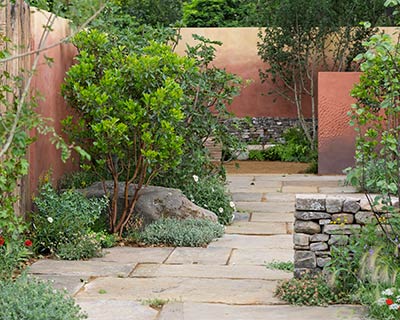
See sustainability in action at the RHS Shows. In 2026 there are shows at Malvern, Chelsea, Badminton and Sandringham.
Explore the RHS Shows