What the RHS is doing to make the RHS Shows more sustainable
Natalie Ashbee
Shows Editor
5-minute read
As a registered charity, our shows provide a vital source of revenue so the RHS can continue to inspire everyone to become gardeners and explain the benefits it can bring to people and the planet. We believe having a platform to educate and inform the millions of people who visit our shows, or tune in to the BBC coverage, justifies putting on the events each year. The shows also give the horticultural industry, which will be worth £42 billion to the UK economy within the next 10 years, an essential boost for business.
As part of the RHS Sustainability Strategy and Planet-Friendly Gardening Campaign we are committed to improving our sustainability practice and have established an internal Shows Sustainability Working Group. Since 2018, our shows team have been working with A Greener Future, to monitor our carbon output of the shows. In 2021 we launched the RHS Sustainability Strategy, with a target to be net positive for nature and people by 2030, and the shows play a big part in this.
What we are doing
Water
We introduced water meters at all shows to monitor how our water is being used and to help us identify where savings can be made in future
We have a borehole at our RHS Chelsea site and draw water from this for watering gardens onsite, saving mains water
We moved to vacuum toilets at RHS Hampton and RHS Tatton and in most places at RHS Chelsea, which reduces water usage by 90%
Water meters at shows monitor how water is used
Electricity
We introduced Mains power for the build phase of the gardens at RHS Chelsea to reduce the number of diesel generators on the site
We changed all lights at the shows that are installed by our electrical contractor, to LED
We have moved to electric buggies only on site
All lights at shows are LED
Catering
Menus across catering at all shows are now more than 50% plant-based
No plastic serveware used in any of the catering outlets – all is recyclable or compostable
Re-usable champagne ‘glasses’ at RHS Chelsea
All cutlery at the shows is recyclable or compostable
Transport
An exhibitor vehicle booking system has been introduced at RHS Chelsea to reduce waiting times and idling during the build of the show
A regular shuttle bus takes people to the show
Materials
We have reduced RHS printed materials for Exhibitors and encouraged those Exhibitors to do the same
Plastic carrier bags and single-use plastics front of house have been banned since 2022
Plastic bags have been banned since 2022
Garden legacy
All show gardens have to have a plan for repurposing before they are allocated to be at the show, with many relocated in their entirety, or plants and materials donated to various projects making new homes for wildlife and benefitting individuals and local communities across the UK
We carry out a Green Garden Audit on large gardens at RHS Chelsea, assessing and challenging their build methods and materials and overall reducing their carbon output
At RHS Chelsea and RHS Hampton Court we work with City Harvest to redistribute food waste to charities across Greater London
RHS has supported the development of the Elemental app to aid garden design in a more sustainable way
House of Wayward Plants rehomes unused plants from the shows
Biosecurity
The RHS continues to work with government and the industry to improve plant health and awareness and measures – across the horticultural sector and among the general public – across the UK
We have introduced measures across all of our shows to reduce the risk of introducing and spreading new plant pests and diseases – including risk assessing plant lists in advance, so that we can prioritise our inspections
We regularly review our policies, processes and procedures to make sure they are fit for purpose
We offer training in RHS plant health policies and good biosecurity practices to all of our show exhibitors
RHS biosecurity staff, together with the government’s Animal and Plant Health Agency, attend the shows to check that all plants for sale or display are visibly healthy and adhere to RHS regulations and UK legislation. We also ask all visitors to our shows not to bring any plants or samples with them, to avoid the risk of introducing a plant health issue
The RHS is working with industry and the gardening public to improve plant health – healthy plants, healthy gardens, happy gardeners
Peat
We introduced a peat-free policy for our shows which comes into force in 2026. All plants in show gardens, floral displays and trade stands must be ‘no new peat plants’, while plants to be sold can use ‘peat starter plants’ until 2028, but must be potted on peat-free
Working with exhibitors and growers on their move to peat-free protects peatlands, which are an important wildlife habitat and carbon store
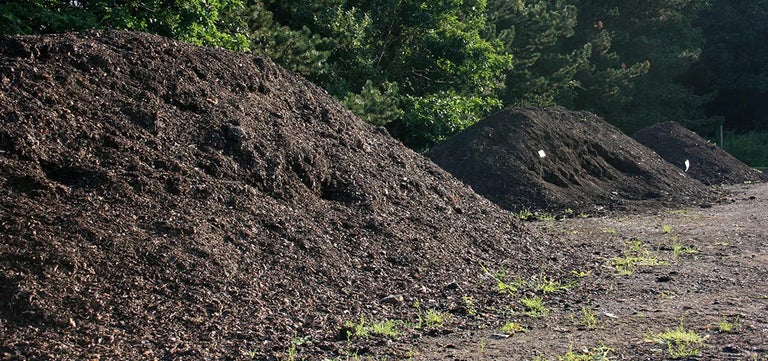
For more than five years we have stipulated that the mulching and dressing of borders in show gardens must be peat-free