Planet-friendly gardening
10 things all gardeners can do now

Disposing of products generates greenhouse gases – by using resources wisely we can all help fight the climate crisis
All waste produced will be reduced, reused, recycled, composted or sent to energy recovery in all RHS operations, and we will encourage our members and visitors to do the same
‘This target takes in the whole circle of all the products and services we use from how they are made in the first instance right through to how we dispose of them afterwards. Understanding how our resources are generated, from office stationery through to garden machinery, and using them efficiently, will help us to reduce greenhouse gas emissions and therefore be a positive weapon to help us reverse the climate crisis. With this knowledge, we can encourage and help gardeners, schools, businesses and communities to do the same.’
What is the RHS already doing to meet this target?
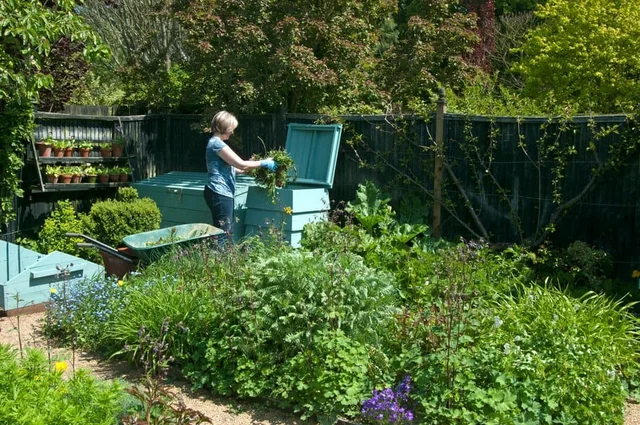
‘In the five RHS Gardens, all plant-based waste that is suitable for composting, such as dead leaves, clippings from pruning or grass mowing and discarded . We are also actively reducing the amount of we generate, by a number of means such as leaving more areas of lawn to grow through the year, or using “chop and drop” techniques whereby prunings are chopped up and left as a on beds.
Many local councils have green waste recycling schemes if home composting isn't an option.
Some key actions we are encouraging gardeners to take include reusing household materials and seasonal items and if that’s not an option then consider recycling them through boot sales and reclamation sites so they can continue to be useful in someone else’s gardens.
‘Repairing and maintaining garden tools to increase their longevity will not only save you money as you don’t have to buy something new, but also prevent more items going to the landfill.’
"We are reducing, reusing, recycling, repairing or recovering office waste across all RHS sites and at our shows and gardens we are providing clearly signed bins to help visitors easily recycle their waste"
‘By shifting our waste management contracts to better practice, we have met our initial target of achieving zero waste to landfill by 2030. Rather than rest on our laurels our attention now is on looking at the products and services we use across the society and working to ‘design out’ waste in the first instance by reducing, reusing, recycling, repairing where we can.’
‘There are now more than 30 million people in the UK actively gardening. Together all of their small actions take on a much larger significance and even a small amount of waste saving can have a powerful impact. The good thing about considering waste is that everyone can do it in their own home. You don’t have to go anywhere or buy anything extra, and it’s not complicated. But it can be a game-changer for the planet, its climate, its wildlife and human health.’
Target 1: Climate positive by 2030
Target 2: Biodiversity positive by 2025
Target 3: Biosecurity neutral by 2025
Target 4: Water neutral by 2030
Target 5: Circular plastic by 2030
Target 6: Zero waste to landfill by 2030
Target 1: Enable more people to enjoy the benefits of gardening
Target 2: Design a new evidence-based blueprint for wellbeing gardens by 2025
Target 3: Develop and embed sustainable horticulture within education, research and training