Inspiring more people through sustainable education
The RHS is putting sustainability at the core of its horticultural education, helping learners of all ages gain skills and confidence for lifelong gardening and a greener, more resilient future
What does this target mean?
With environmental research and AI tools evolving every day, there’s never been a more exciting time to explore how plants and sustainable gardening practices can benefit both people and the environment.
The RHS has one of the broadest educational offers out there – reaching learners from nursery school age to PhD research. In 2025, we’re reaching over 50k learners annually through formal education, and many more through our engagement programmes. Whether it’s a child sowing their first seed or an experienced adult rethinking their space for climate resilience, we’re here to support sustainable action at every stage. That’s why we’re committed to providing guidance that’s clear, accessible and grounded in the latest science.
Ultimately, this means that we can secure the progress of gardens and make them net contributors to a sustainable future
How is the RHS meeting this target?
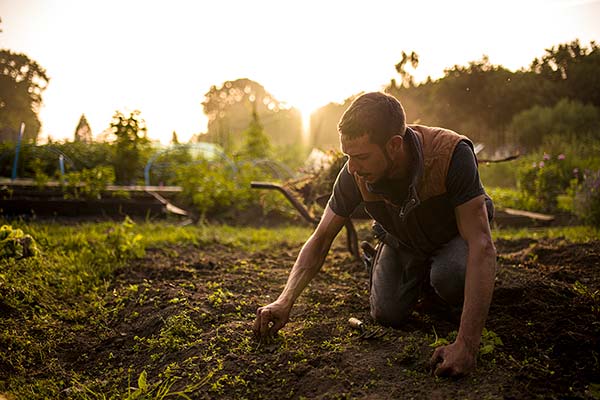
In 2023 the RHS launched New Shoots, a nationwide initiative to promote careers in horticulture and increase the number and diversity of people entering the sector
- Thanks to the National Education Nature Park, nurseries, schools and colleges across England are tracking
biodiversity - We revised our RHS Qualifications in 2022 to align with current industry standards and have a greater emphasis on sustainable practices in horticulture.
- In 2023, we launched New Shoots, our nationwide initiative to promote careers in horticulture and increase the number and diversity of people entering the sector.
- In 2024, we moved our RHS Campaign for School Gardening training offer online, with three eLearning courses giving educators the skills they need to grow in a planet-friendly way.
- Our school visits are available at all RHS Gardens, free of charge, with learning for pupils taking place in dedicated educational facilities and teaching gardens.
- Our adult workshops at RHS Gardens continue to expand, catering to different skill levels including beginners, career changers and advanced horticulturists.
- Our new RHS Digital Collections website means that for the first time, rare gardening books, botanical art and photographs can be viewed online for free, allowing us to reach a wider audience and preserve them for future generations.
Why should gardeners care about this?
This issue affects us all, and it affects us now. Gardeners work within nature all the time and it is fascinating to learn more about how our actions can help to support wildlife, nature and the planet.
Ultimately, it means that we can secure the progress of gardens and make them net contributors to a sustainable future.