



Why should I garden with the environment in mind?
Eco-friendly gardening has many benefits for both people and planet, and you can make a difference in even the smallest garden

Reduce, reuse, recycle and reinvest: the four Rs of greener gardening
Life on earth is a series of cycles; the water cycle, the carbon cycle and the cycle of birth, life and death.
Thinking about how we live our lives as part of a cycle – in particular the products and processes we use everyday – is a really helpful way of making sure we’re not causing unnecessary harm to our planet.
This cycle is often referred to as ‘the circular economy’.
There are four main principles in the circular economy: these are called ‘the four Rs’. You can use them to make positive changes in the way you garden. A big added benefit of gardening this way is the money you'll save, it's cheaper and more environmentally friendly, so a winner all round.

Sowing seeds direct into the ground reduces both plastic and energy use
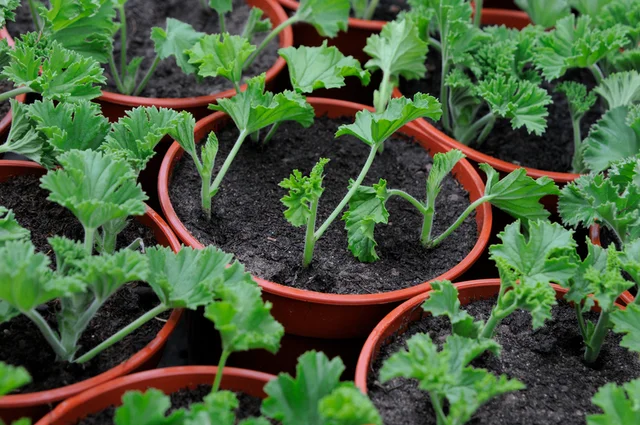
Ask yourself if you really need to do that activity or buy that product. For example, do you really need to buy lots of bags of every year, or could you make your own? Do you need to sow seeds in plastic pots filled with bought-in compost, or could you sow them directly in the ground? Can you buy young plants rather than mature specimens? Sharing power tools such as hedgecutters with friends, family or neighbours will save money and help the planet too.

There are many creative ways to reuse waste materials in the garden. Broken terracotta pots can be used to fill gabions, making unusual planters
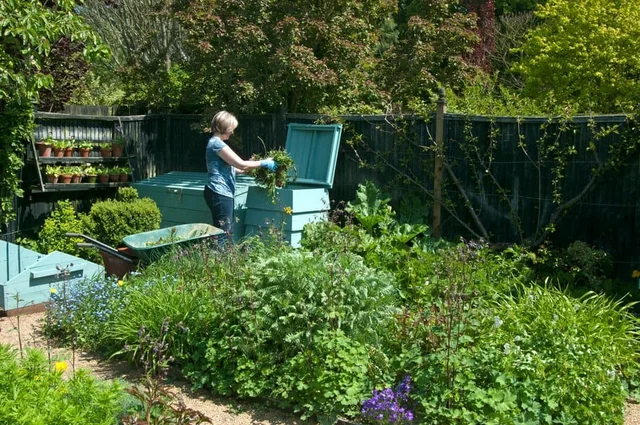
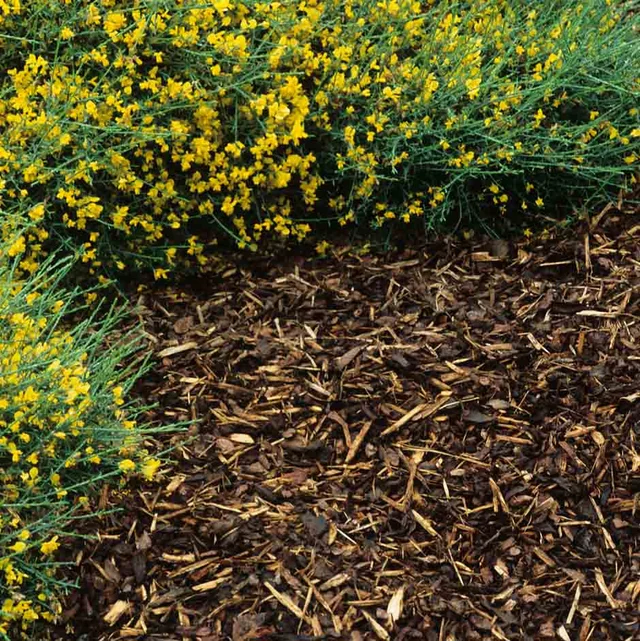
Reuse what’s there in your garden. This could be existing plants that can be rejuvenated rather than replaced or reusing existing features and materials. Divide mature plants to bulk up your stocks, and save seeds from your flowers. Old paving can be re-used as hardcore for building projects and large branches can be cut into pieces to make log piles and other wildlife shelters. Shred woody prunings to make and use grass clippings to make compost.

Recycling meets high gardening fashion! Top designer Andy Sturgeon used recycled elements from other show gardens in this spectacular garden at an RHS Flower Show
Recycle materials and products as much as possible. Second-hand tools and materials often give you fantastic value for money and always offer great eco-credentials. Salvage yards, eBay, Facebook Marketplace and Freecycle are just some of the places you can buy and sell second-hand. Black plastic pots are a problem for recycling; reuse them as much as possible and ask your garden centre to supply plants in taupe pots, as these can be recycled.
Traditional black plastic pots can’t be recycled. If you already have them in your garden the best thing to do is to re-use them as much as possible. Look out for taupe (beige) plastic pots as these can be recycled, or choose biodegradable alternatives such as rice bran pots.

Choosing peat-free compost makes a huge difference to the environment: it's an easy win
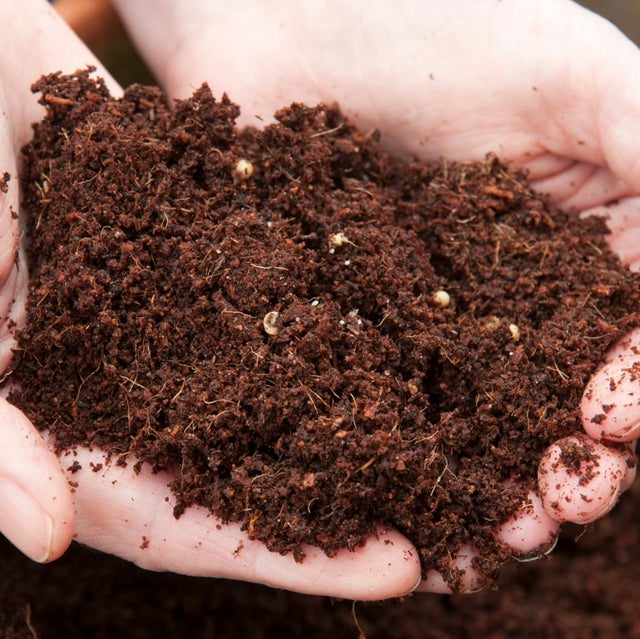
Reinvest in responsibly sourced and recycled products. Peat-free compost is a great example of this as it not only uses recycled materials (such as forestry waste), it replaces an environmentally damaging product – peat – which is associated with carbon emissions and habitat loss. Look for recycled plastic products and Forestry Stewardship Council (FSC) certified timber products, particularly garden furniture.
Running a petrol lawnmower for an hour can create the same emissions as driving a car for 93 miles! Reduce your emissions by switching to electric models wherever possible, and use a green energy supplier.

"Get to know these principles; you’ll be doing the right thing by the environment and you’ll save money too"