Dye plants under the spotlight at RHS Chelsea
Botanical tints and hues can be obtained from the seeds, bark, roots, foliage and flowers of many plants. Dyeing using plants is a skill any gardener can learn
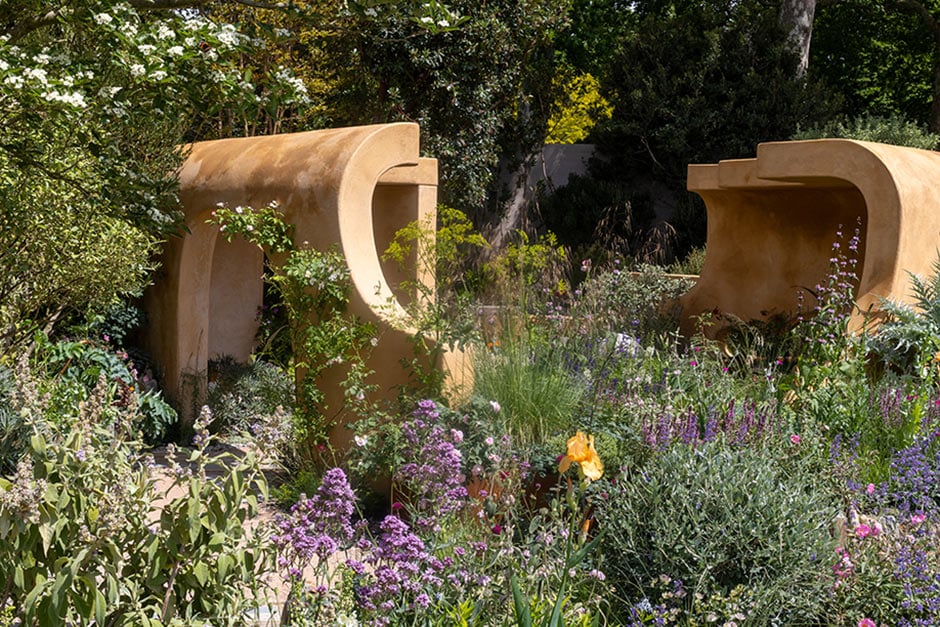
This year, natural dyeing is one of the highlighted crafts in The RHS and The King’s Foundation Curious Garden at this year’s Chelsea Flower Show, and through it, designer Frances Tophill aims to draw attention to the many ways plants enrich our lives and industries by showcasing a cornucopia of beautiful and useful plants that she hopes will inspire curiosity in a new generation of gardeners and artisan crafts people with lots of take-home ideas for everyone.
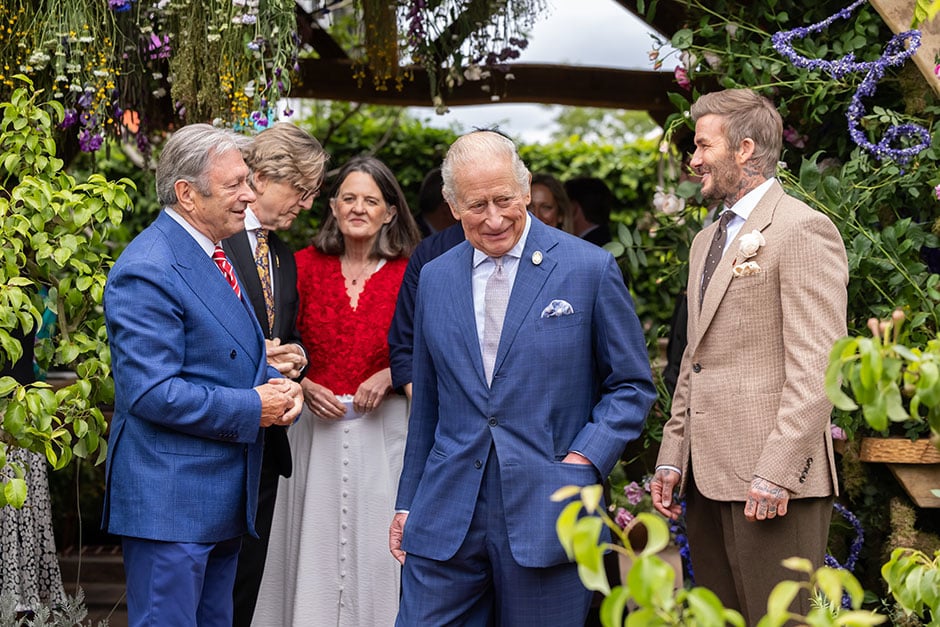
Horticulturalist, author, and TV presenter Frances Tophill joins The King’s Foundation Ambassadors, Sir David Beckham and Alan Titchmarsh CBE to champion the functionality of plants.
The garden will feature a central oak building, which represents a ‘museum of curiosities’ filled with plant related exhibits, that show how vital plants are to the overall wellbeing of the planet, people and places.
She has sourced dye plants from specialist growers with plants that we can all grow in our own gardens and many of them thrive in pots and containers.
Any plant variety where the genus is followed by the botanical epithet tinctoria is immediately recognisable as an effective dye plant. Derived from the Latin word tinctus, which means to dye, the name indicates that some part of the plant will yield its colour when processed.
Genista tinctoria (Dyer’s Greenwood) Coreopsis tinctoria (Tickseed), Cota tinctoria (Golden Chamomile), Anthemis tinctoria (Dyer’s Chamomile), Rubia tinctorum (Madder) and Persicaria tinctoria (Japanese Indigo) are all great plants that can dye clothes and fabric. They can be grown together to create a mini dye bed for easy harvesting but are also happy growing amongst other
Frances has also chosen to include goldenrod, tansy, pearl millet, rhubarb and hollyhocks. Later in the summer, the flowers of calendulas, dahlias, amaranthus, buddleia and hibiscus can also be used to create dye baths that result in strong vibrant tones.
‘I’m so excited to share my first garden for RHS Chelsea,’ says Frances. ‘With input from His Majesty, sustainability is a central element of the design with no man-made materials being used in the garden. As per The King’s Foundation ethos and education programmes, artisan crafts and skills are at the forefront of my design’.
The RHS and The King’s Foundation Curious Garden
Gardener, Andrea Benson who honed her knowledge in the dye garden at The Horniman Museum before moving to Glyndebourne has created a space dedicated to growing dye plants to service the costume department, with in-house dye room supervisor, Jenny Mercer. ‘Using natural dyes brings down our carbon footprint – we are doing less damage to the environment whilst helping to preserve a heritage craft’, says Jenny, whose job is to print, paint, dye and break down costumes primarily to age them. ‘The idea is to make them look old and to create an ‘opera palette’ of muted mellow colours that work pleasingly under the bright stage lights - especially whites which need to be toned down or they give off an unwanted glare into the auditorium.’
Jenny and Andrea have experimented with many different plants and change what they grow annually to build up stocks. Once materials have been harvested and dried their potency lasts for years and Jenny stores them for future use. She has become an expert on mixing different colours to achieve exactly the right hue on different materials and works with a mix of raw silk, cotton and wool. ‘Natural fibres will always absorb colours more consistently than anything synthetic’, she advises for anyone who wants to try their hand at home.
Andrea recommends dahlias as an entry point for experimenting with making your own dyes as a lot of people grow them in their garden anyway and they require regular
Further reading is recommended before taking on big projects or maybe take a beginners’ course or workshop in person or online. Botanical Dyes by Babs Behan (Hardie Grant) and From Plant to Pigment by Natalie Stopka (Skittle Dog) are two books to start your journey.