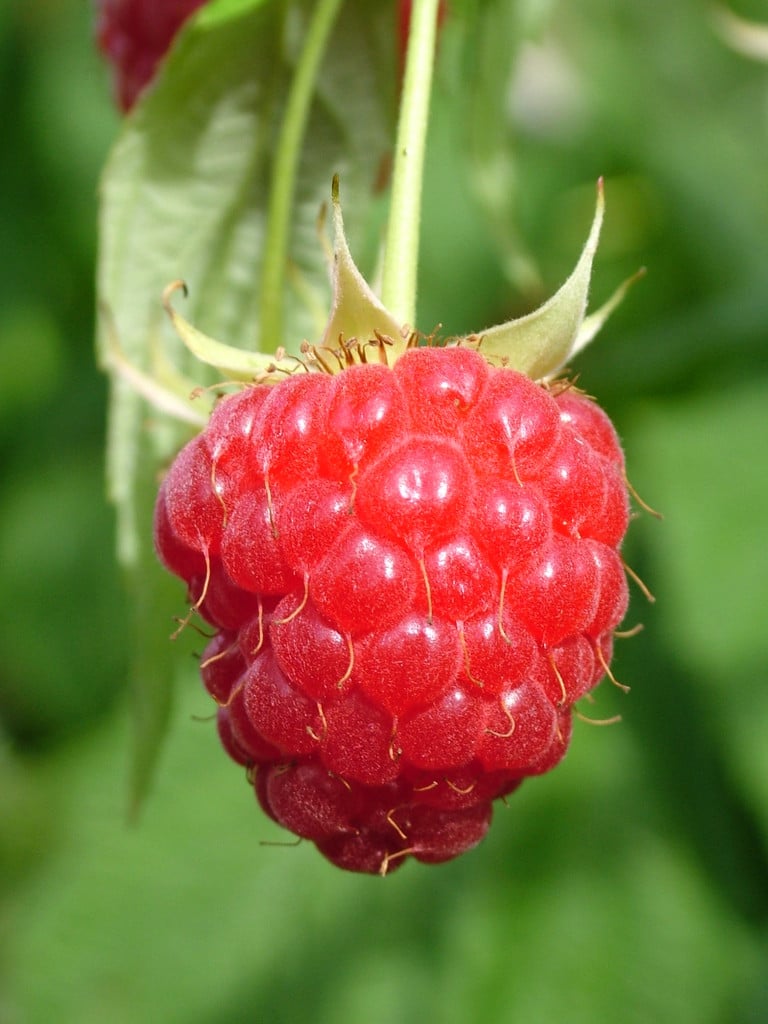
Rubus idaeus 'Joan J'PBR (F)

RHS Plant Profile
raspberry 'Joan J'
raspberry 'Joan J' RHS
Award of Garden MeritPlants for pollinators
Fruit Edible

'Joan J' is an autumn-fruiting cultivar with upright, spine-free canes that produce a good crop of red berries with good size and flavour

Position

Full sun

Soil Types

Loam, Sand

Max Height

1.5-2.5 metres

Max Spread

0.1-0.5 metres

Size

Time to Maturity
2–5 years
Max Spread
0.1-0.5 metres
Max Height
1.5-2.5 metres

Growing Conditions

Loam Sand
Moisture
Moist but well–drained or Well–drained
pH
Acid or Neutral

Position

Full sun
Aspect
South–facing or West–facing or East–facing
Exposure
Sheltered
Hardiness
H6

Colour & Scent

Season Stem Flower Foliage Fruit
Spring
Summer
Autumn
Winter

Botanical Details

Family
Rosaceae
Native to GB/Ireland
No
Foliage
Deciduous
Habit
Suckering
Genus
Rubus can be deciduous or evergreen shrubs, often scrambling with bristly or prickly stems bearing simple, lobed, palmate or pinnate leaves and 5-petalled flowers followed by juicy, sometimes edible fruits
Name Status
Accepted
Horticultural Group
This genus produces fruit, but not necessarily edible fruit

How to Grow

Cultivation

Grow in rows between parallel wires for support. Mulch with acidic material such as composted bark. May have the potential to become a nuisance if not managed well. See raspberry cultivation

Propagation

Propagate by division in the dormant season. Lift new canes along with their rootballs. Choose only newly planted, disease-free stock from which to propagate

Suggested planting locations and garden types

  • Wildlife gardens
  • Edible fruit

Pruning

Prune all canes to ground level in late winter

Pests

May be susceptible to aphids, leafhoppers, raspberry beetle and gall mites

Diseases

May be susceptible to grey moulds and honey fungus (rarely)