Size
Ultimate height
0.5–1 metresTime to ultimate height
2–5 yearsUltimate spread
0.1–0.5 metresGrowing conditions
Moisture
Well–drainedpH
Acid, Alkaline, NeutralColour & scent
| Stem | Flower | Foliage | Fruit | |
| Spring | Green | |||
|---|---|---|---|---|
| Summer | Green | |||
| Autumn | Cream | Green | ||
| Winter |
Position
- Full sun
Aspect
South–facing or West–facing or East–facing
Exposure
Exposed Hardiness
H7Botanical details
- Family
- Asteraceae
- Native to GB / Ireland
- No
- Foliage
- Deciduous
- Habit
- Bushy
- Genus
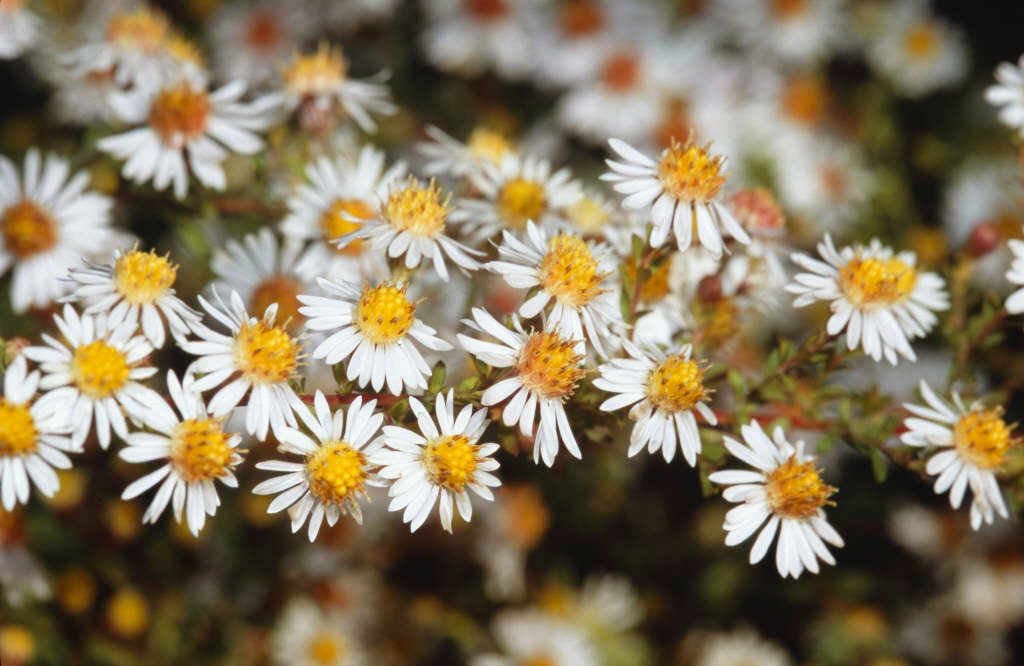
Symphyotrichum includes around 90 species of annuals, biennials and perennials, mostly spread through the Americas, that were formerly included within the genus Aster. Leaves are simple, lance-shaped and entire, but it is their daisy-like flowerheads that they are grown for; central disc florets are typically yellow, surrounded by strap-shaped ray florets in shades of pink, blue, purple or white
- Name status
Accepted
How to grow
Cultivation
Grow in moderately fertile, well-drained soil in open sunny position; may need staking
Propagation
Propagate by division in spring
Suggested planting locations and garden types
- Cottage and informal garden
- Wildlife gardens
- Coastal
- Gravel garden
- Prairie planting
- Flower borders and beds
- Cut flowers
Pruning
Cut back in late autumn
Pests
Generally pest-free
Diseases
May be susceptible to verticillium wilt, powdery mildews and grey moulds
Get involved
The RHS is the UK’s gardening charity, helping people and plants to grow - nurturing a healthier, happier world, one person and one plant at a time.
