Non-chemical weed control
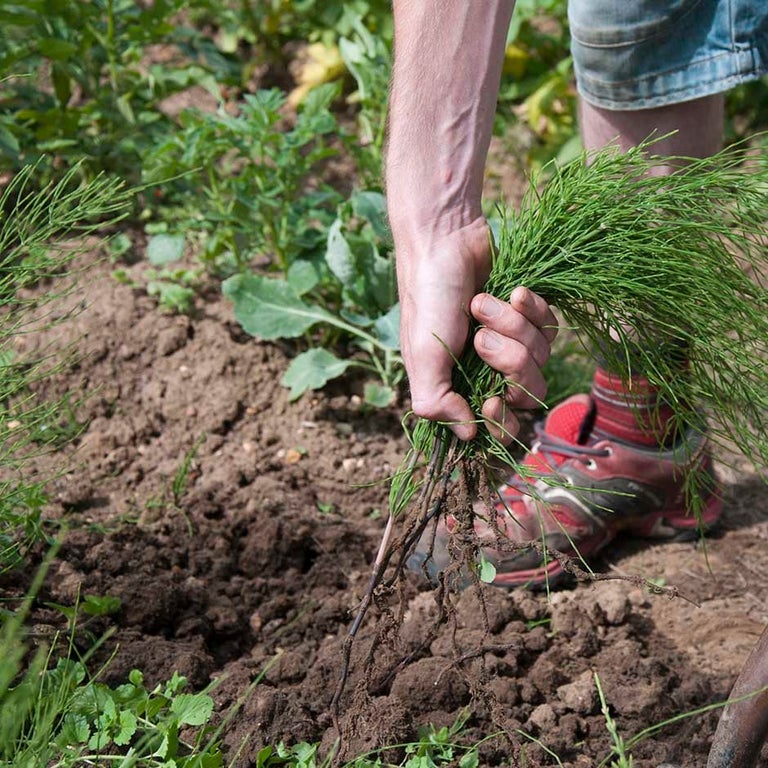
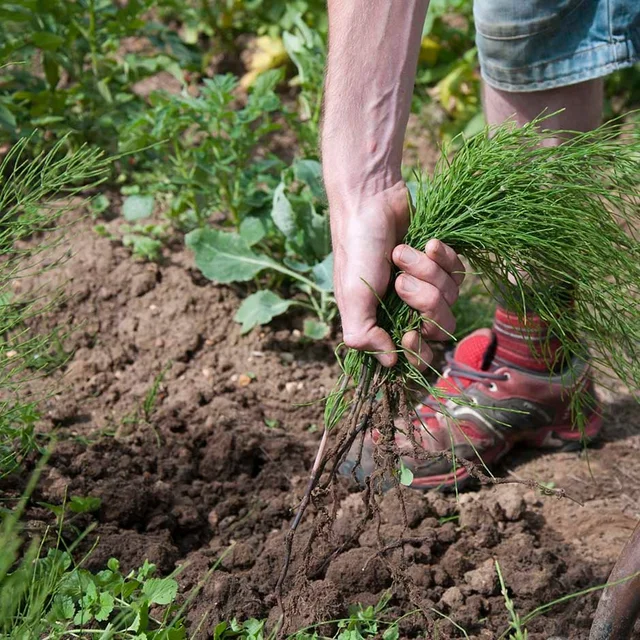
Garden weeds can be controlled without using chemicals, so if they are becoming a problem in part of your garden, try hand-removing, trimming or smothering them rather than resorting to weedkiller.
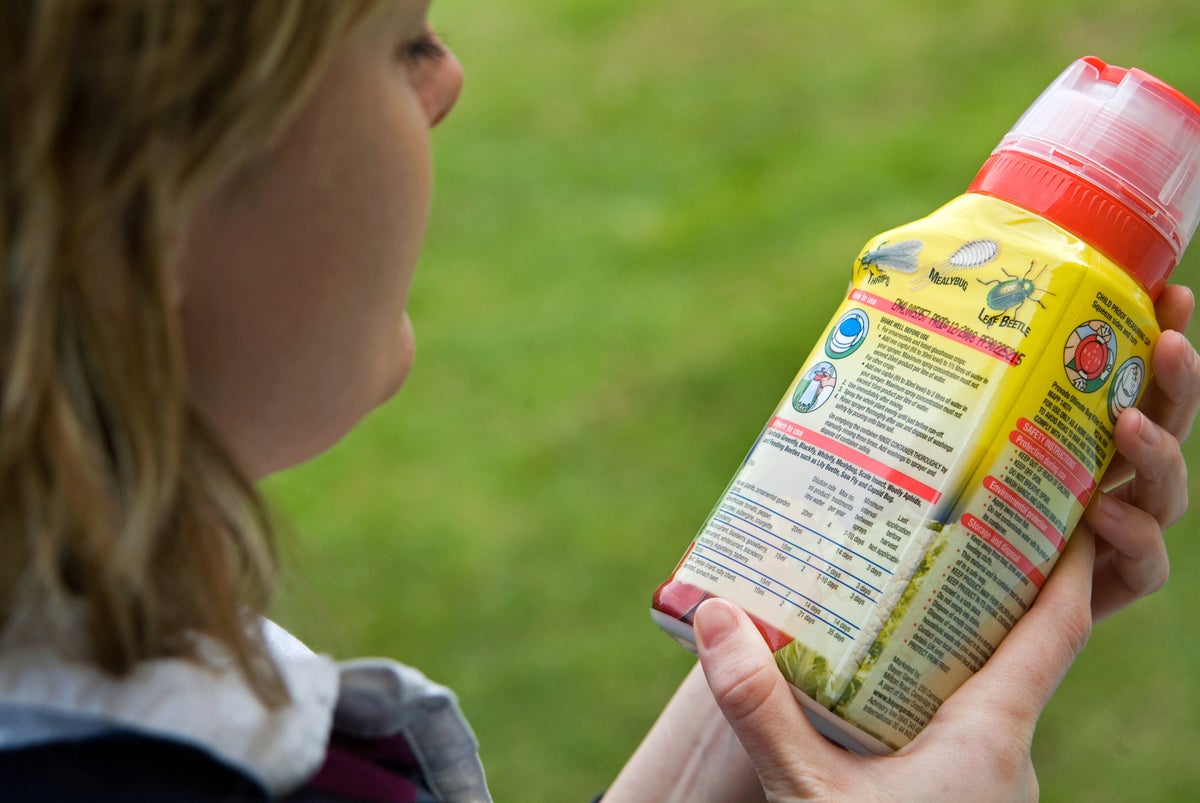
The RHS doesn’t recommend or support the use of pesticides
Gardens can be healthy, beautiful and productive without chemicals
Healthy ecosystems can contain some pests, diseases and weeds
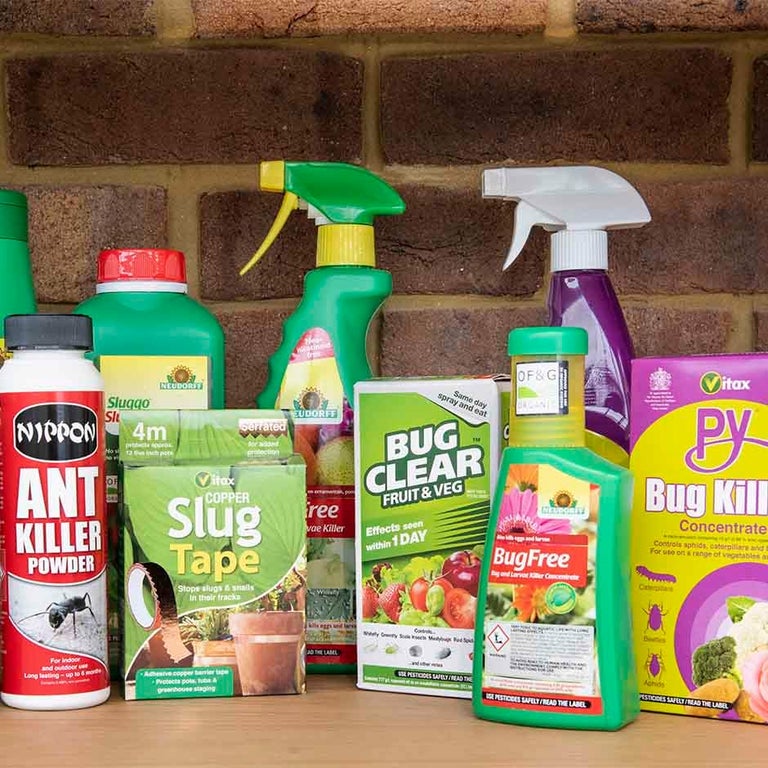
Pesticides include insecticides, fungicides and herbicides
They are also known as Plant Protection Products (PPP)
Pesticides can harm people, wildlife and the environment

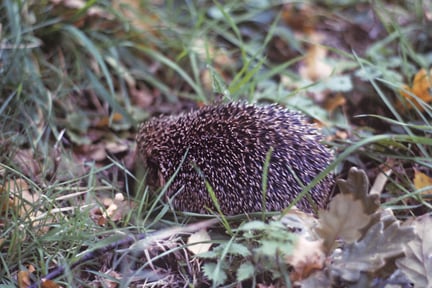
The presence of some pests, diseases and weeds in a garden is often a sign of a healthy, diverse and resilient ecosystem. Even when control measures are required, non-chemical methods are usually effective. Healthy, attractive and productive gardens can thrive without the use of chemicals. Many organisms labelled as pests are a natural part of the garden ecosystem and a food source for other wildlife; many so-called weeds are UK wildflowers that boost the of our gardens.

The term ‘pest’ has traditionally been used to describe animals, particularly insects, that cause damage to plants. These herbivores are an important part of a garden’s biodiversity and controlling them is often not necessary. Plants are generally able to tolerate some feeding damage, but where populations build up to higher levels, gardeners might decide to take action to reduce numbers. Eradication would be neither practical nor advisable.

Plant diseases are caused by micro-organisms, normally referred to as pathogens; these include fungi, oomycetes, bacteria, and viruses. Diseases interfere with the normal functions of a plant, potentially affecting vigour, appearance, flowering, and fruiting. Although in many cases, plants infected with a disease can still be attractive and productive. The likelihood and severity of diseases depends on environmental conditions, the susceptibility of the plant, as well as the presence of the pathogen.

The term ‘weed’ describes a plant that is growing where it isn’t wanted. Weeds usually thrive in average garden conditions, reproducing and spreading easily. Many so-called weeds are UK native species, and they provide food and shelter for a variety of garden wildlife. While it is up to you to decide what you call a weed and what you choose to retain or remove, remember that most gardens can accommodate some weeds alongside cultivated plants, without them having any detrimental effect.
Simple ways to avoid pest, disease or weed issues:
These methods strengthen plant and soil health, reducing the need for chemicals and supporting biodiversity.
Non‑chemical methods are effective for most garden situations and avoid the risks associated with .
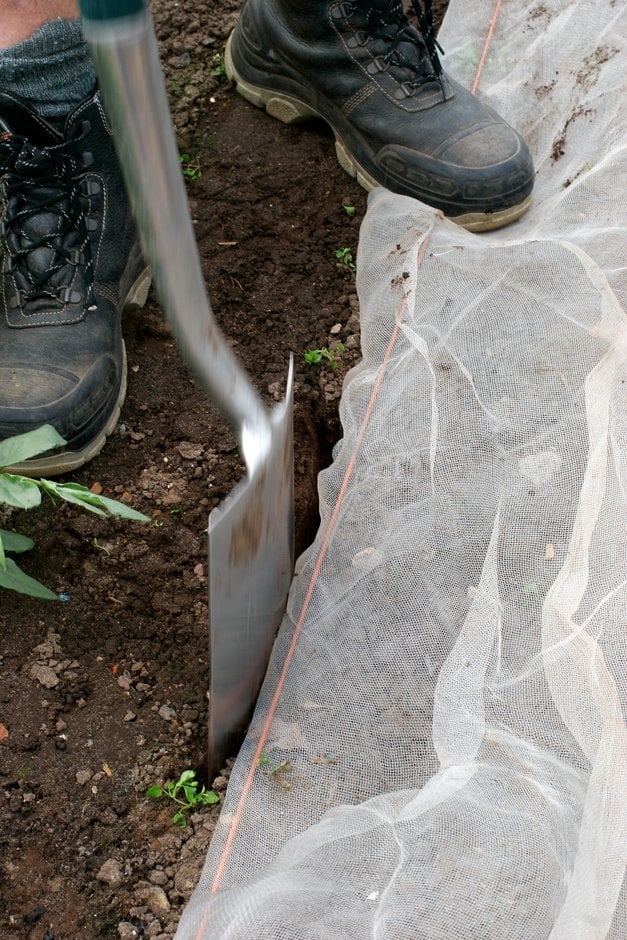
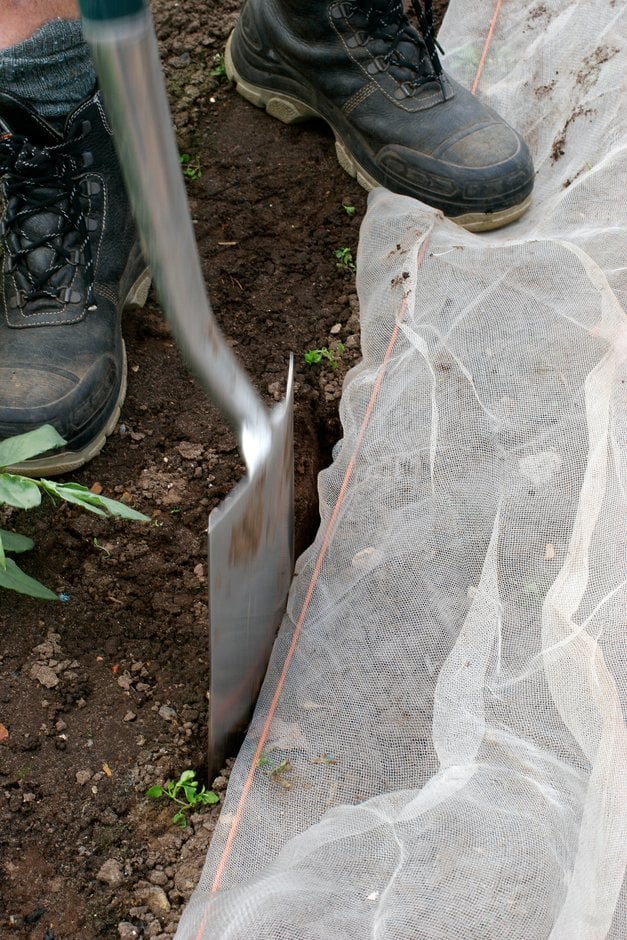
When gardeners are faced with pest, disease or weed issues, they can choose from an array of non-chemical control methods. These include manual removal of insects, diseased parts or weeds, the use of barriers, traps and deterrents and changes to cultivation techniques.
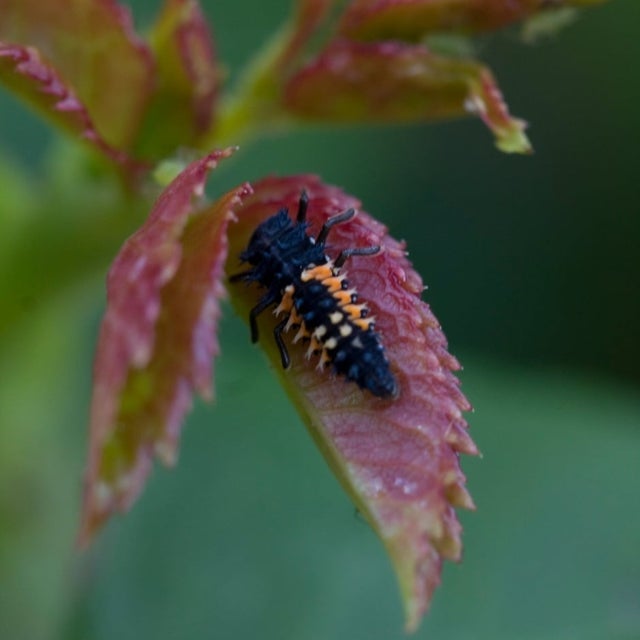
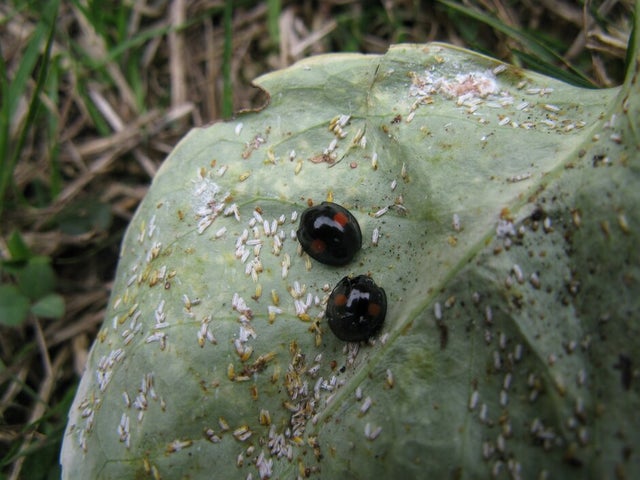
Using biological controls (natural predators and parasites) is another non-chemical way to tackle feeding damage to plants. In healthy gardens, this form of pest control happens without any intervention from gardeners – a good example is ladybird larvae and adults feeding on aphid populations that build up on soft plant growth in spring and summer.
Indoors, or outdoors where there is a lack of natural predators, introducing biological controls is an effective option. Biological controls are available to control whitefly, red spider mite, mealybugs, aphids, vine weevil, slugs, caterpillars and an increasing range of other creatures. See our helpful guides for more information:
This section provides information on the legal requirements of pesticide and chemical use in gardens. The RHS does not support the use of and encourages gardeners to explore non-chemical alternatives.
Chemical products used to control pests, diseases and weeds are regulated under UK law. Pesticides are substances designed to kill or control the growth and behaviour of living organisms and therefore their use carries risks to people, wildlife and the environment. Using pesticides is not something gardeners should undertake lightly.
The Food and Environment Protection Act (FEPA) 1985 and associated regulations extend to wood preservatives, animal repellents and materials that control plant growth, such as rooting powders. Fertilisers, garden disinfectants and cleaning materials are not considered pesticides, although they may be covered by legislation relating to biocides.
It is illegal to sell unapproved products for use as pesticides. The Health and Safety Executive (HSE) database can be used to check if a product is authorised for use in the UK. Some chemicals previously approved and sold to home gardeners have been withdrawn. Information can be found on the HSE website.
Some pesticide products sold online may not be authorised for use in the UK. It is not advisable to use household products, such as bleach, vinegar or washing-up liquid, as pesticides. Gardeners mixing up their own solutions from household products often damage plants, soil and soil organisms, and may also harm the wider environment.
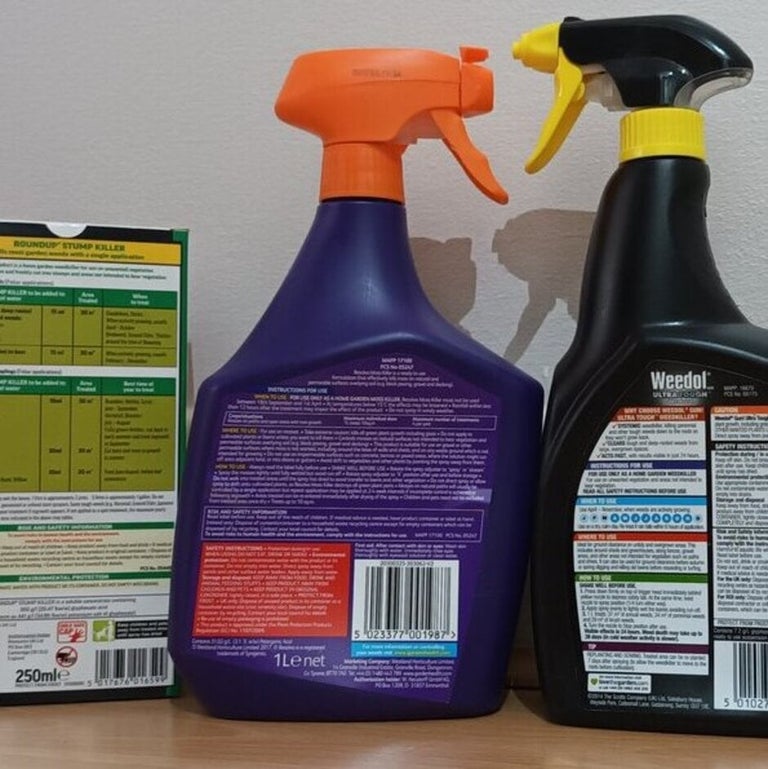
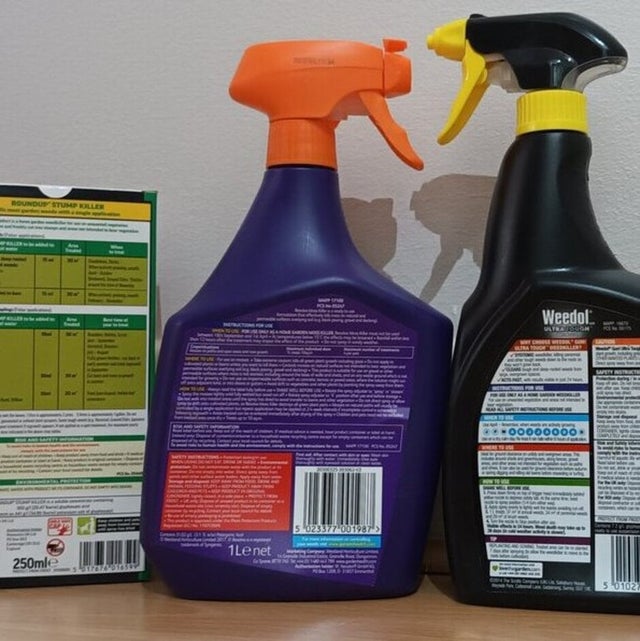
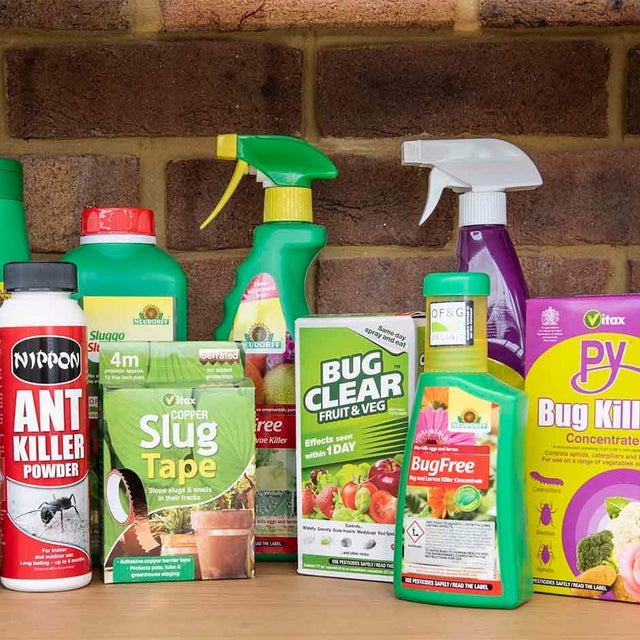
Pesticides approved for home gardeners are legally available to buy, but should only be used as a last resort and strictly in accordance with the label instructions. Adhering to the label instructions is a legal requirement. Pesticides should be kept in their original labelled containers. For more information, see our helpful guides:
Before resorting to , it is important to bear in mind that:
After all this, if a gardener still decides to use pesticides, being aware of the precautions and considerations below will help to limit risks to people, wildlife, pets and the environment. The following information is provided to minimise harm where pesticides are used as a last resort; it is not intended to encourage pesticide use.
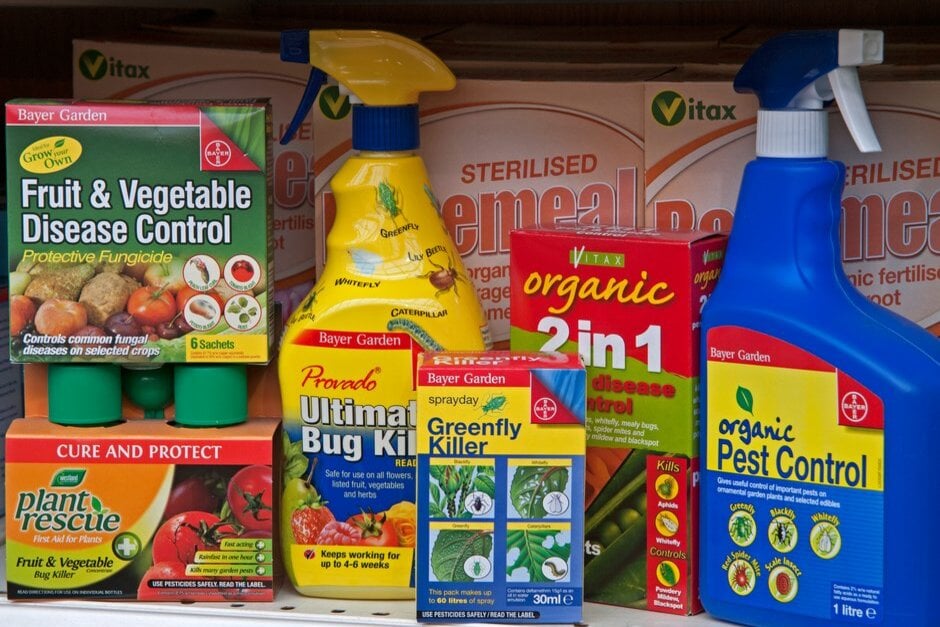
The RHS encourages all gardeners to boost in their gardens. Rather than using chemicals, we believe that avoiding pests, diseases and weeds by good practice in cultivation methods, selection, and encouraging or introducing natural enemies, should be the first line of control. If a gardener decides to use chemical controls, they should be the last resort, and should only be used in a minimal and highly targeted manner. For example, where pests, diseases or weeds pose a serious threat to the wider environment, to important heritage specimens, to habitat, or to wildlife. Notifiable species are regulated separately, and government requirements must be followed at all times.
The RHS Sustainability Strategy states that our aim is to be biodiversity net positive by 2025. This applies to our operations and to the gardening information and advice we provide. As part of this initiative, since spring 2023 the RHS has stopped selling registered in our Plant Centres and online.
To drive forward our integrated approach, we encourage and manage wildlife in our gardens. By making our gardens a haven for wildlife, they provide a natural balance. We also actively accept some damage to plants as this is a vital part of managing a healthy garden.