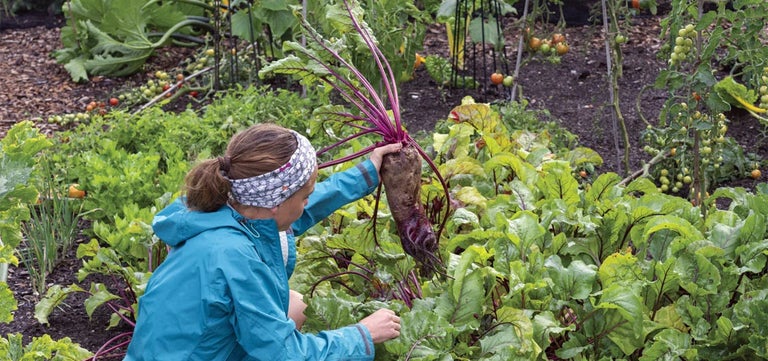
One of my favourite crops to grow on the allotment is the potato. They may not always look as blemish-free as shop-bought options, but to me they are perfect because I know exactly where they came from and how they were grown.
I’ve just harvested all of my potatoes from the plot and put them into storage for the months ahead. I love growing and eating them and here is how I get the most from my crop.
Why grow your own potatoes
It's often said that if you’re short on space, growing potatoes isn't worth the effort because they’re so cheap to buy. I disagree – here is why growing your own is worth the space.
Traceability
Potatoes form a significant part of my daily diet and by growing my own I know what exactly has gone into producing them. I can choose how I manage the soil and make sure there's minimal impact on the environment.
Unbeatable Flavour
I've heard people say that the difference between shop-brought and home-grown potatoes isn't particularly noticeable, but I find the contrast remarkable. There’s something about the flavour of a freshly harvested potato that, to me, is incomparable a supermarket one.
Self-sufficiency and sustinance
Carbohydrates are our primary energy source and a good harvest keeps the kitchen stocked for months. While I haven't managed to grow enough potatoes to reach year-round self-sufficiency – relying on pasta or couscous for a short window in early summer – I always look forward to the first potato harvest of the year.
Low maintenance
Potatoes are remarkably easy to grow, they're a relatively low-maintenance crop and can give you a generous harvest for comparatively little effort.
Tried and tested cultivars
Staggering your planting across early and maincrop varieties ensures a continuous harvest throughout the season. Earlies are fast-growing and ideal for tender new potatoes, while maincrops take longer but offer higher yields and better storage qualities.
First Earlies (10–12 weeks to harvest)
Rapid growers that yield tender tubers early in the season.
There are numerous ways to grow potatoes, my preferred method of growing if focusing on keeping things simple and minimising soil disturbance.
Planting: Mid-april, 20cm deep / 30–40cm apart
Growing: Minimal weed and water only
Harvest: Hand lift with a hori hori knife
Storage: Hessian bags in a cool, dark spot
Planting
I often don’t chit my potatoes (placing seed potatoes in light to encourage shoots before planting). While can speed up early growth, a small flat offers limited space for laying out egg trays of tubers. Un-chitted tubers just as well without it, they just take a little longer to get going.
Chitting potatoes
I lay the tubers out on the bed, spaced around 30–40cm apart (slightly wider for maincrops), and plant them roughly 20cm deep, with any shoots pointing upwards. I usually plant in mid-April, in the hope that the worst of the frosts have passed before the foliage appears. However, my allotment is in a slight frost pocket, and this year all the potato foliage was frosted. Thankfully, it grew back and didn’t seem to affect the final harvest.
Low-maintenance growing
I don’t earth up my potatoes as I prefer to keep soil disturbance to a minimum. This does mean accepting that a few potatoes near the surface may turn green, I discard any potatoes that have turned noticeably green, as the toxins can permeate the , so cutting away the green areas isn’t sufficient.
Weeding: I weed while the potato plants are small but once the foliage gets going it quickly forms a dense canopy of leaves that suppresses most weeds.
Watering: During this summer’s drought, I initially watered the potatoes once a week, but stopped when the hosepipe ban came into force. This meant they received no additional water for the last couple of months before harvest, yet they still produced a good crop.
Harvesting
When harvesting I gather all the foliage of one plant together, pull gently and use my hands and a hori hori knife to sift through the soil for any remaining tubers.
I won't get all the tubers, but this method is quick and keeps soil disturbance to a minimum. Even if I turned over the whole bed, I’d probably still miss some – every potato grower will be familiar with the ‘volunteer’ potatoes that appear the following year in last year’s potato patch.
Storage
Initially, I harvest potatoes as I need them for eating. Then, sometime in autumn, I harvest all the potatoes that are left, leave them on the surface to dry for a couple of hours and then put then into breathable hessian sacks.
I store the sacks somewhere cool, dark and dry, moving them indoors before the winter frosts arrive. Stored this way, they remain edible well into April or May – even if they look a little wrinkled or start producing small sprouts towards the end.
Potatoes drying in breathable hessian sacks after a couple of hours on the allotment surface
Potato blight
Potato blight is a common fungal disease favoured by warm, humid weather – this summer hasn't been an issue for me, but it has occured before and can be particularly troublesome in certain weather conditions.
Prevention: choice is an important part of managing the risk. First and second earlies are usually harvested before blight becomes a major problem. For maincrops, choose blight-resistant cultivars like the 'Sarpo' range.
Action: If you do see signs of blight, what you do next will depend on the stage of growth and the condition of the crop. It’s worth checking current RHS advice before deciding when to harvest or whether potatoes are suitable for storage.
Potato blight causing a lesion on the stem
Eating them
I’m afraid I’m not particularly inventive when it comes to potatoes – I mostly just boil them! But when they’ve come straight from the allotment, I don’t think they need much doing to them. However, different potato cultivars behave differently in the kitchen – the amount of starch and moisture in a potato affects its texture, so some varieties are better suited to particular dishes than others.
New potatoes with fresh dill
Floury potatoes, such as ‘Maris Piper’ and ‘King Edward’, are high in starch and become light and fluffy when cooked. They’re particularly good for baking, chips and roasting.
Waxy potatoes, including ‘Charlotte’ and many new potatoes, have a firmer texture and hold their shape when cooked. They’re ideal for boiling, salads and dishes where you want the potato to remain intact.
All-purpose potatoes sit somewhere between the two, offering a balance of structure and creaminess. They’re useful for everything from roasting and boiling to mash and gratins.
The perfect boiled potato
When home-grown potatoes taste this good, keeping it simple is best!
Gently scrub fresh tubers (no need to peel early varieties).
Cover with cold, salted water, bring to a soft boil and simmer until tender when pierced with a knife (roughly 12–15 minutes).
Drain thoroughly, let them steam off in the colander for two minutes so they dry slightly.
Toss them while still warm with a generous know of butter, then add a little sea salt and freshly ground black pepper. Fresh mint, chives or parsley are also lovely if you have them growing.
If you want to try some more creative flavour combinations:
Lemon, brown butter and chives: Melt butter until golden and nutty, then add a little garlic and lemon juice before tossing with the potatoes, chives and parsley.
Herby Parmesan: Toss boiled potatoes in melted butter with grated Parmesan and fresh thyme or rosemary.
Smoked paprika and garlic: Coat the potatoes in olive oil, smoked paprika (pimentón), fried minced garlic and a pinch of cayenne pepper.
Warm spices: Melt butter in a pan, fry some mustard seeds, cumin, turmeric and chilli powder, then toss the potatoes in the fragrant butter with fresh coriander.
Chilli crisp: Toss hot potatoes with a little Chinese chilli crisp, a splash of soy sauce and chopped spring onions.
Pro tip: For extra flavour, lightly crush or smash boiled potatoes before tossing them with butter, oil or other dressings. The rough edges create more surface area for sauces, herbs and seasonings to cling to, so you get more flavour in every bite.
Coming up on the plot
Next time, I’ll be looking at some of the sowing and planting I’ve been doing this autumn to keep the allotment productive through winter.