RHS Horticultural Advisor Adrian Thorne catches up with Pavlina Kapsalis, who looks after the National Collection of figs at RHS Wisley, for some insider growing tips
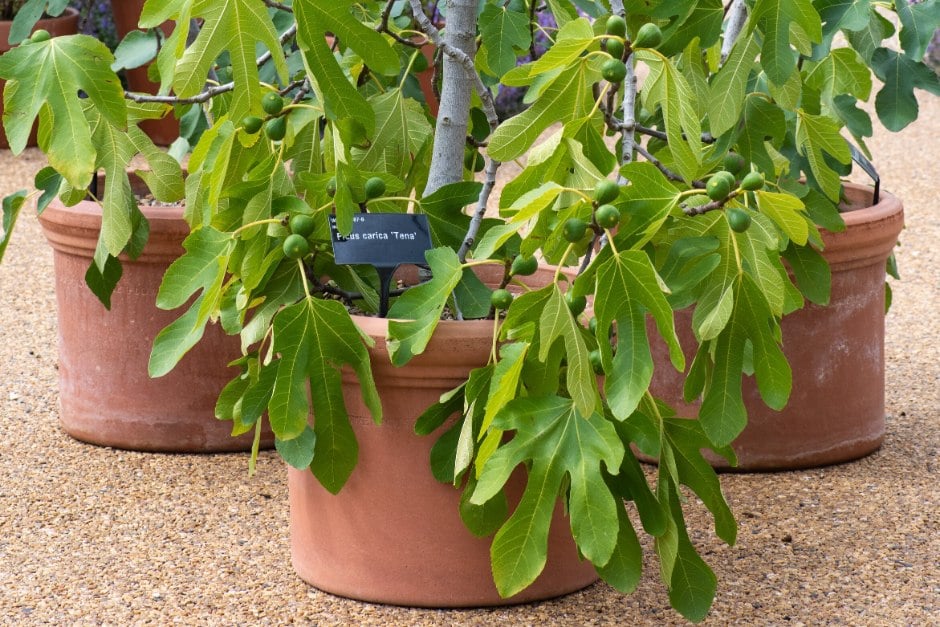
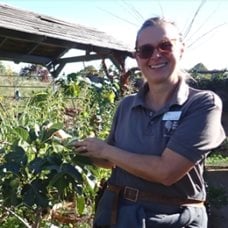
Nestled in the World Food Garden at RHS Wisley, the National Collection of Ficus carica – figs to you and I – is thriving under the expert care of horticulturist Pavlina Kapsalis. I caught up with her to learn more about this fascinating collection and her work preserving and expanding it. She tells me that figs are resilient and rewarding, even for novice growers.
The fig collection was originally established in the 1980s by RHS Wisley fruit expert Harry Baker. Some of the cultivars came from UK growers, while others arrived as cuttings from the United States. Pavlina still enjoys looking through the original letters and paperwork, which offer a glimpse into the collection’s rich history and the dedication of previous enthusiasts.
 Today, the collection includes 48 cultivars, all suited to the Northern European climate. Most are grown in pots in the greenhouse near the Orchard, with others dotted around the World Food Garden. Five new cultivars were added in 2025, though strict biosecurity measures – especially regarding Xylella fastidiosa, a new disease which could cause a lot of damage – mean Pavlina now only accepts plant material from within the UK.
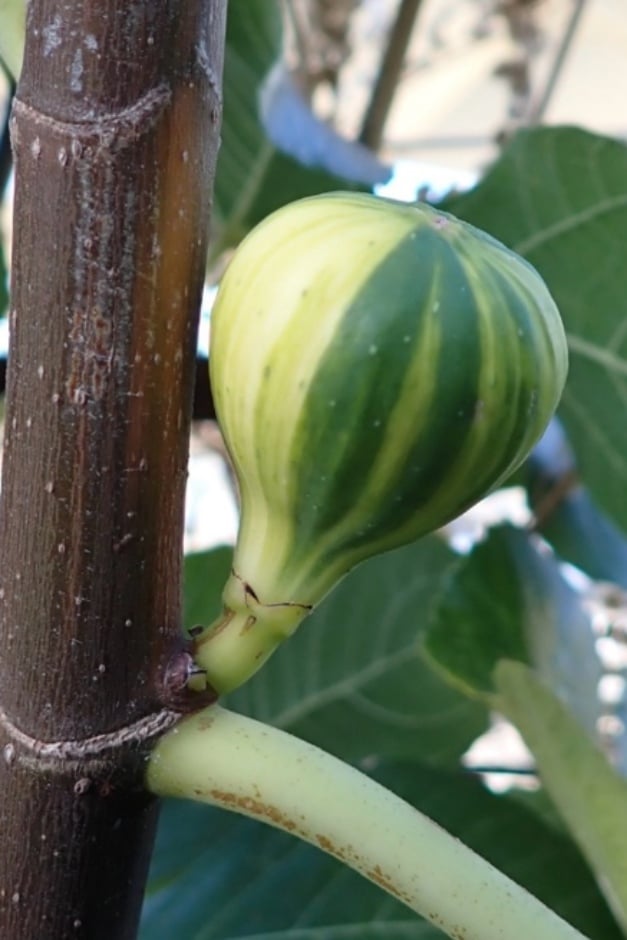 Her favourite? Pavlina doesn’t hesitate. ‘Brown Turkey’ tops the list for its reliability, flavour and good looks. She also recommends ‘Bourjasotte Grise’ and ‘Califfo Blue’, and speaks enthusiastically about ‘Panachée’, a striking cultivar with yellow and green striped fruits that taste as good as they look.
A new ‘figgery’ is now being developed near the Orchard, promising even more space for this delicious collection. Pavlina hopes it will become a showcase for fig diversity and a resource for gardeners interested in growing their own.
Top tips for growing figs in pots
Figs are easy to grow, but Pavlina’s top advice is for those of us growing them in pots, where watering and feeding is very important – they may need daily attention during warm spells.
Pavlina advises re-potting figs every three years in peat-free compost, and in years when they are not re-potted, mulch with homemade compost with added organic slow release fertiliser. The fertiliser lasts for a few weeks, so after that, start watering with soluble feed for the rest of the season. An organic liquid seaweed feed, which is high in potassium, helps boost flowering and fruiting throughout the season.
Top tips for growing figs outdoors in the ground
Established figs planted in the ground should be self-sufficient with water and definitely with nutrients – Pavlina only waters figs planted outdoors when newly planted and in really dry periods. Older trees don’t need much attention at all.
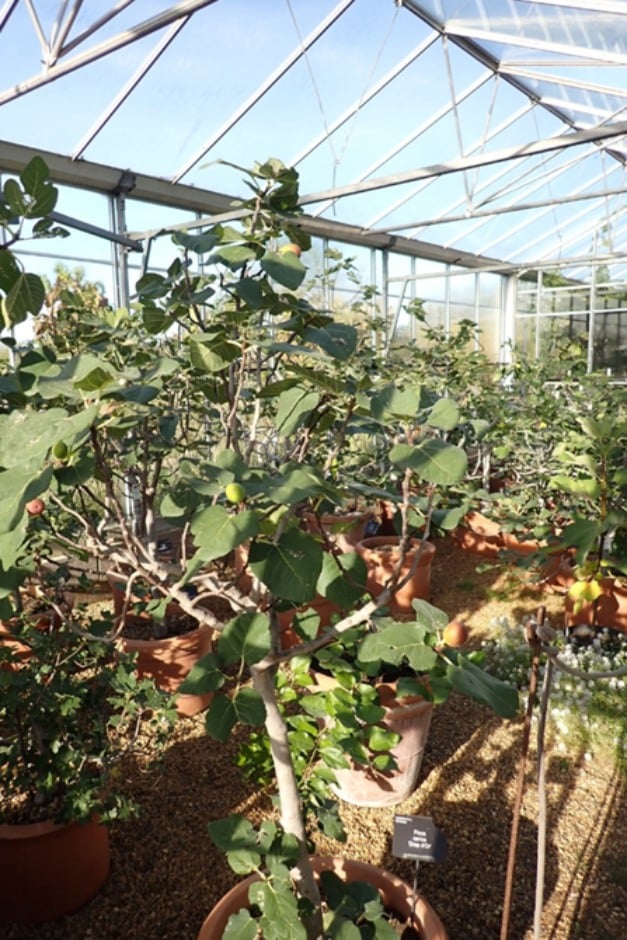 Most of the figs at RHS Wisley are in sheltered spots, so winter protection isn’t needed to help the small figlets through the winter. Where protection is needed, it is easiest if the fig is fan-trained. She uses a large-holed net such as bean netting stuffed with dry straw or bracken. Free-standing trees are much harder to cover.
Any unwanted insect visitors are managed with a mix of biological controls and hand removal. Wine weevils in the pot-grown plants are kept at bay with annual nematode applications, while aphids and mites in the greenhouse are controlled biologically with natural predators. The fig skeletoniser caterpillar looks bad but is fairly harmless in small numbers – these are removed by hand.
With RHS Wisley’s dry summers and sandy soil, root restriction isn’t necessary, but on heavier clay soils, Pavlina recommends containing the roots in a square of concrete, for example paving slabs. This restricts their spread and improves the harvest – both very desirable.
 National Plant Collections
National Plant Collections are supported by the UK charity Plant Heritage. They maintain a full list of collections and welcome interest from gardeners who might like to start one of their own.
You may also be interested in
 Look for the RHS Recommended: Award of Garden Merit when buying fruit bushes. You can also download the RHS lists of recommended cultivars.
About Pavlina Kapsalis
Pavlina works in the World Food Garden at Wisley and is optimistic about the future of grown your own gardening. She supports organic methods, mixed planting, and has a strong focus on soil health – all of which are key to increasing biodiversity and resilience in gardens of every size.